Empowering Communities, One Step at a Time: Join the Benin Advancement Forum
Social Cultural Organization: Fostering Community and Tradition
Preserving Heritage
Social cultural organizations play a vital role in keeping traditions alive, passing down knowledge and skills to future generations.
.jpeg)
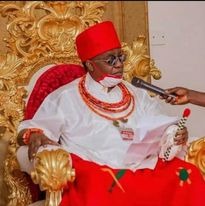
Building Connections
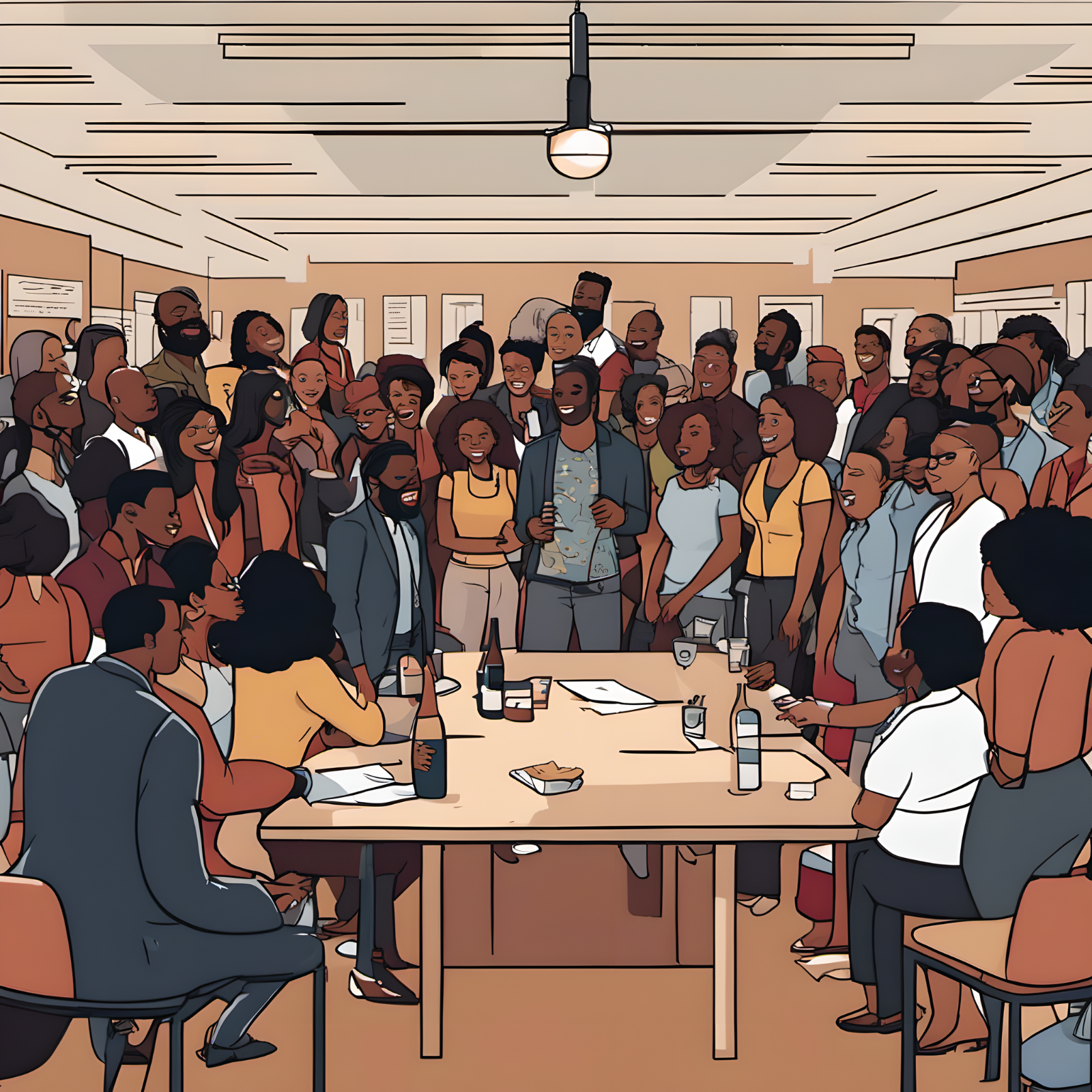
These organizations create spaces for people to connect, celebrate their shared culture, and build lasting bonds through shared experiences.
Empowering Communities
Social cultural organizations provide platforms for members to express their creativity, contribute to their community, and advocate for their cultural values.
.jpeg)
.The Edo Benin people are endowed with abundant manpower, knowledge,
.The Edo Benin people are endowed with abundant manpower, knowledge, and intelligence. They are known for their brilliance. With these attributes, we are well-equipped to proceed. Let us now proceed with putting this into practice. My name is Dele Bello. (Ezemwenghian Ese Osaehuwuomwan Oviasuyi ) I am here to represent the Benin Advancement Forum in Edo state, the cradle of the Black civilazation. We stand proud as the descendants of Great Benin Empire, honoring the legacy of our ancestors while embracing the modern entrepreneurial spirit. Together, we are building a future where heritage and innovation go hand in hand, creating opportunities and prosperity for our people. Join us in this journey as we shape the future of Edo state and beyond. Let's connect and collaborate to unlock new possibilities and drive impactful change. Together, we can make a difference and achieve greatness. Join me in building a thriving business community in Edo state and beyond. Together, let's make history and leave a lasting legacy for generations to come. Thank you.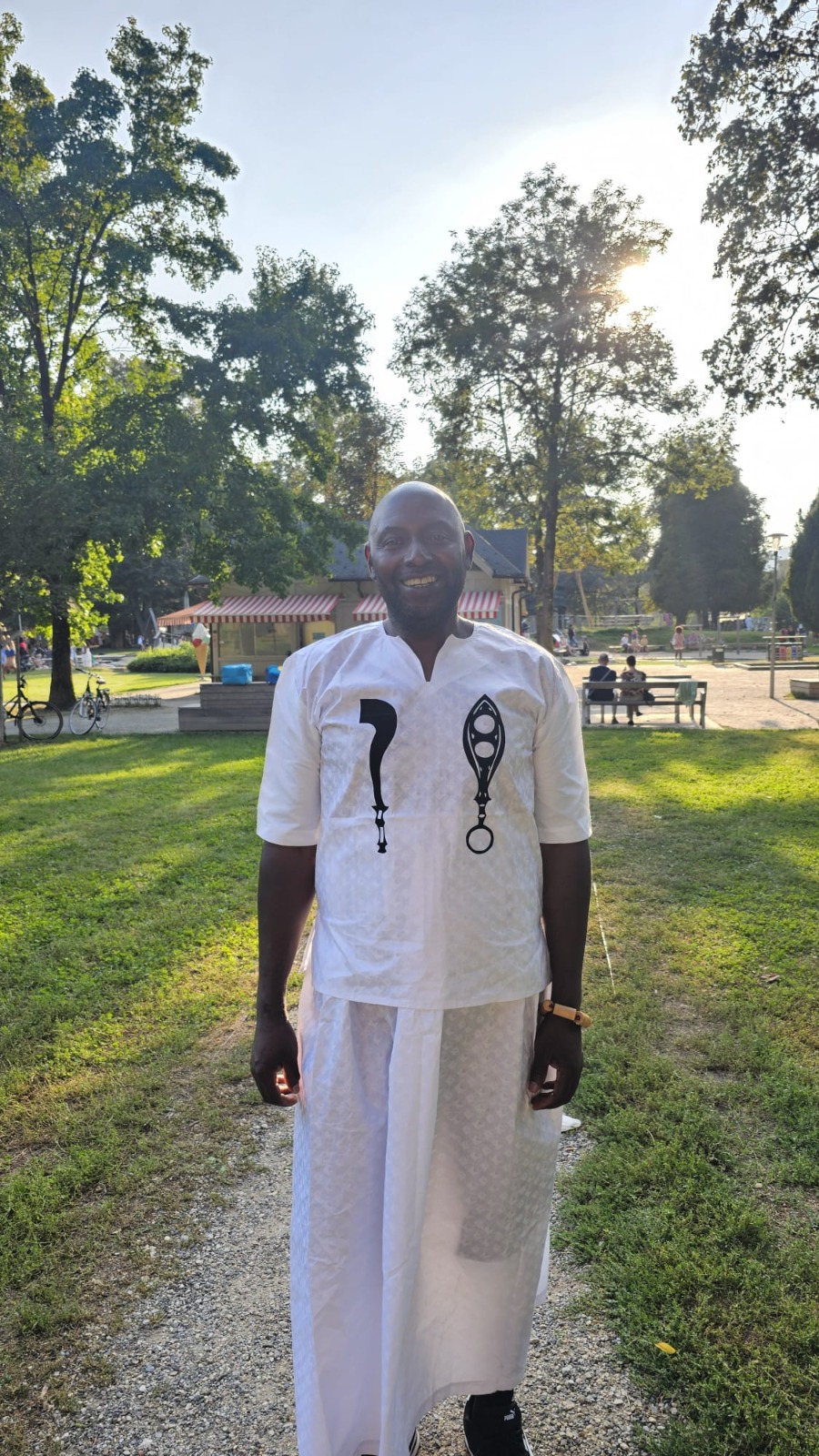
The Power of Social Cultural Organizations: Building Bridges and Shaping Identities
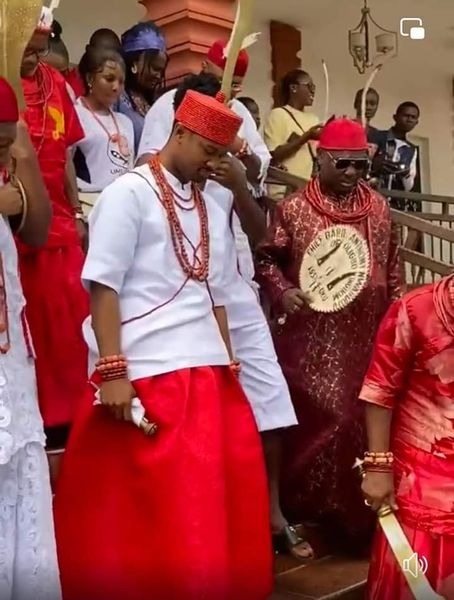
Cultural Exchange and Understanding
Social cultural organizations foster cross-cultural dialogue and understanding, breaking down stereotypes and promoting empathy.
.jpeg)
Preserving Heritage and Tradition
These organizations play a vital role in preserving and celebrating cultural traditions, ensuring their legacy for future generations.
.jpeg)
Building Community and Belonging
Social cultural organizations provide a sense of community and belonging for individuals, connecting them to their roots and fostering a shared sense of identity.
Exploring the Role of Social Cultural Organizations in Modern Society
.jpeg)
Preserving Cultural Heritage
Social cultural organizations play a vital role in preserving traditional arts, languages, and customs, ensuring their continuity for future generations.
.jpeg)
Fostering Community Cohesion
These organizations act as hubs for social interaction, bringing people together through shared cultural experiences and promoting a sense of belonging and unity within communities.
.jpeg)
Promoting Social Change
Social cultural organizations often advocate for social justice and equality, using art, music, and cultural events to raise awareness and inspire action on important social issues.
Social Cultural Organization Services
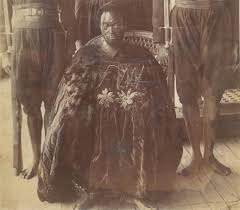
Community Engagement Programs
Connecting people and fostering shared experiences.
.jpeg)
Cultural Heritage Preservation
Protecting and promoting local traditions and art forms.
Youth Empowerment Initiatives
Providing opportunities for young people to develop their potential.
.jpeg)
.jpeg)
.jpeg)
 urmembership is made of sons and daughand ters of Various ethnic groups that make up the ancient Benin Empire, which can be founOd in countries like Nigeria, Benin republic, Togo Ghana
 Transforming Lives: Hear What Our Participants Say
The Benin Advancement Forum has been a game-changer for me. It provided the resources and support I needed to launch my own small business. I'm now able to provide for my family and contribute to my community.
I've learned so much from the workshops and seminars offered by the forum. The knowledge and skills I gained have helped me advance my career and reach new heights.
The forum has been instrumental in connecting me with other like-minded individuals. I've found a supportive community where I can learn, grow, and make a difference in my community.
Become a Member
Join the Benin Advancement Forum and be a part of a vibrant community dedicated to empowering individuals and transforming lives.
Our membership offers a range of benefits, including access to exclusive workshops, networking opportunities, and mentorship programs.
Invest in your future and join us on this journey of growth and empowerment.
Portfolio
Objective 1
To promote Benin Languages and Culture.
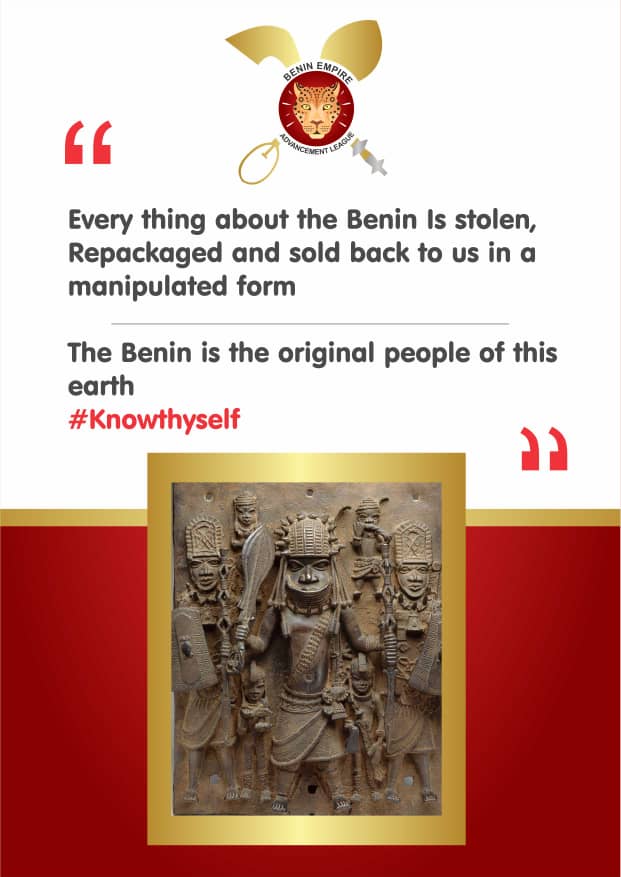
Objective 2
To advance Benin indigenes interests in the communities they reside
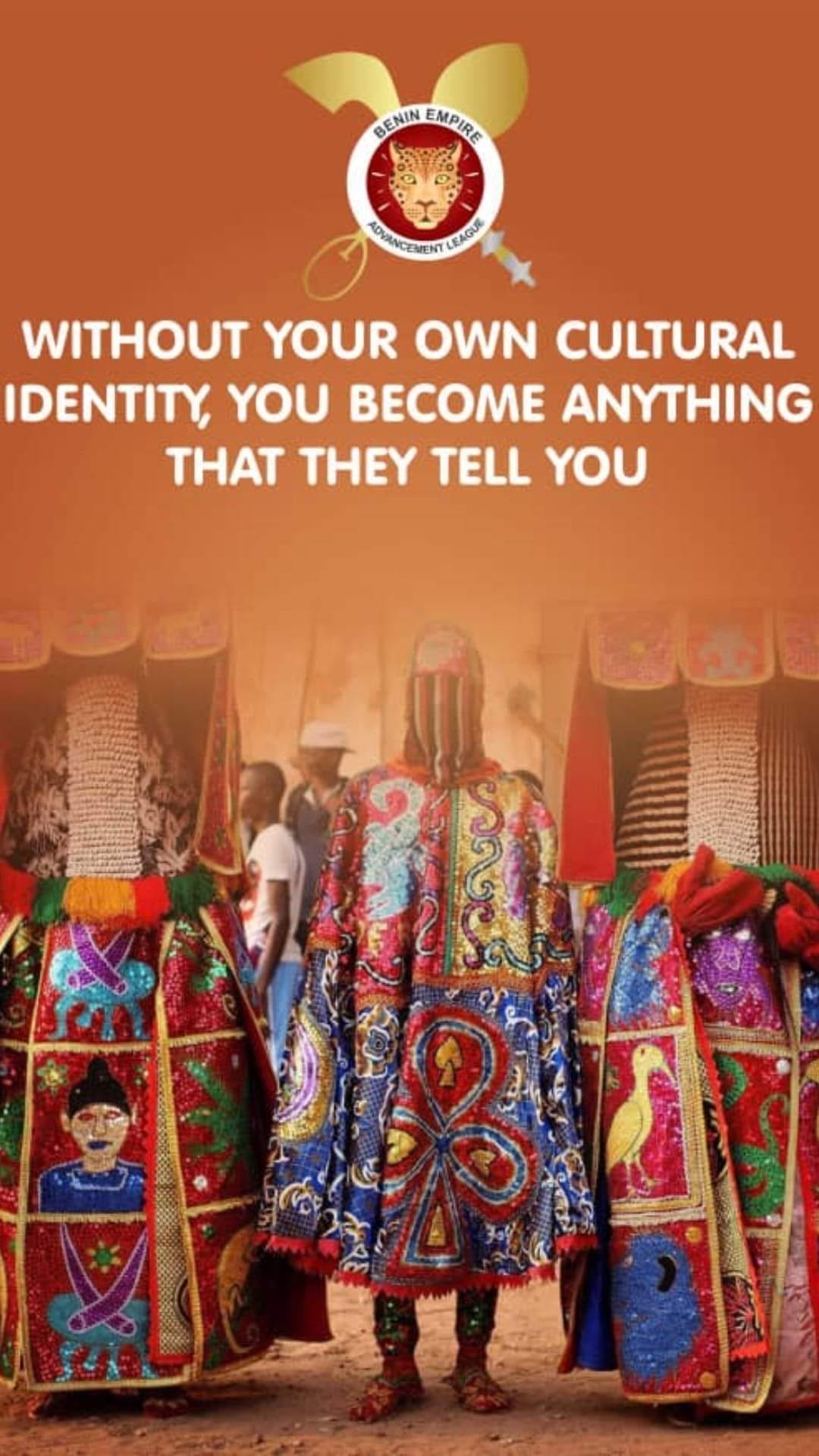
Objective 3
To promote the Welfare of its members
.jpeg)
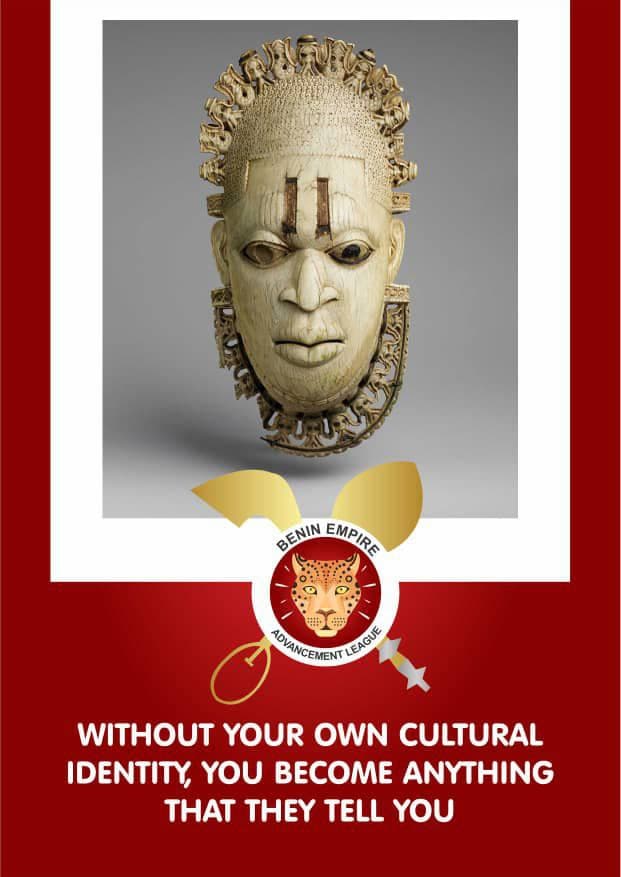
WELCOME TO THE BENIN EMPIRE ADVANCEMENT LEAGUE
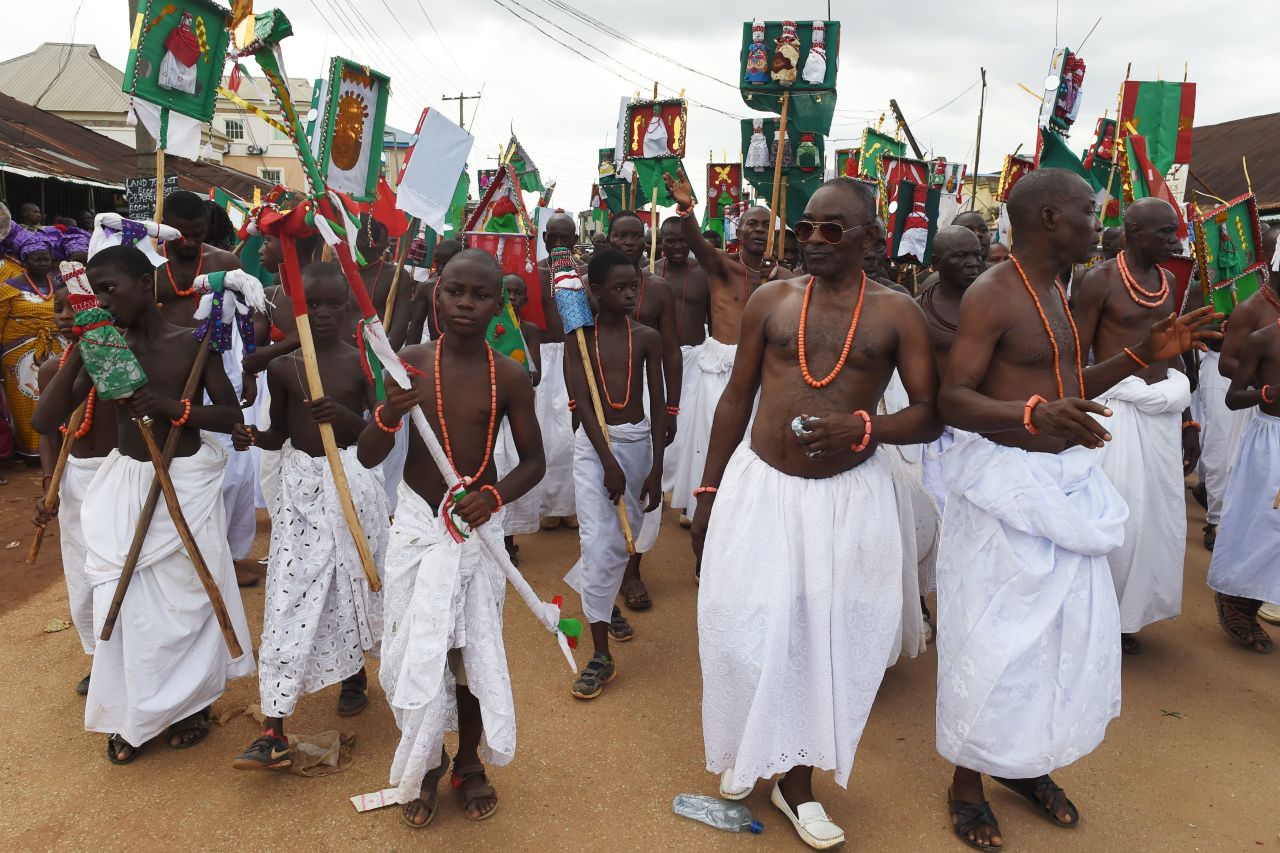 WELCOME TO THE BENIN EMPIRE ADVANCEMENT LEAGUE
Our Mission & Vision
Our mission is to protect and promote the history, culture and spiritual heritage of the ancient Benin Empire in achieving its vision through dedicated cultural, educational, charitable, social and economic programs with our vision being,
To become a model socio-cultural organization committed to the progress and advancement of the indigenous people of the Benin Empire across all west Africa and the world.
Welcome Speech by Mr President
A call for unity, a call to serve.
I am delighted to welcome you to this wider community of descendents of the ancient Great Benin Empire.
I am honoured by the opportunity to meet with so many sons and daughters and who have made achieving socio cultural intergration, equality and socio economic empowerment of the Benin man and woman a life ambition. Your energy and dedication is truly inspiring. Let me start by thanking the protem executives and founding members of this great organisation for their commitment to the ideals of our ancient kingdom. I want to say up front that this enthusiastic engagement amongst ethnic groups of Benin ancestry has sets the tone for years to come. The time for unity and integration is now. Integration is possible and it is happening. Our success stories have been overshadowed by news of poverty, economic hardship, religious wars and political ups and downs. Even in all this, we can see the yearning for unity and a spiritual rebirth amongst the people.
A call for unity, a call to serve.
I am delighted to welcome you to this wider community of descendents of the ancient Great Benin Empire.
Words from heart.
Plant your dreams.
BENIN ADVANCEMENT FORUM
© Copyright 2024 Company Name
KNOWTHYSEF BENIN EMPIRE
KNOWTHYSELF
We stand in unity for God and
. When you deal with the past you are dealing with history you are dealing actually with the origin of a thing. when you known the origin . you known the cause.if you don´t known the cause.you don´t known the origin you don´t know the cause.and if you don´t the cause you don´t known the reason
BAF GLOBAL
KNOWTHYSELF INEXHAUSTIBLE UBINI
THE BENIN LINE DO NOT CROSS
UBINI AND IBINU ARE TWO SIMILE REVERSED IN NAME THAT NEVER MEANT SAME THING EITHER WAY
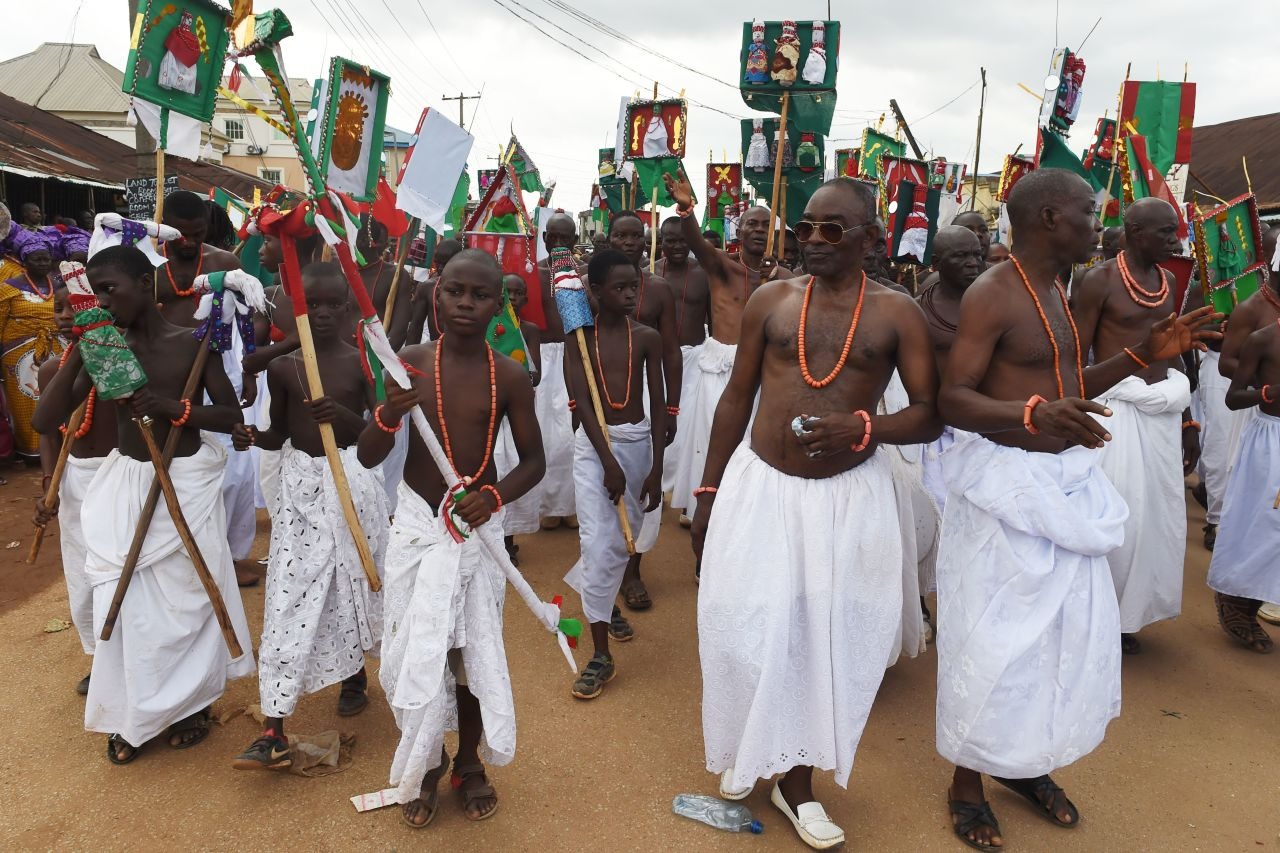
An Adventurer
based in [City Name]
THE BEAL HISTORY AND KNOWLEDGE
The kings of ISI-ILE-UKU “ISSELE-UKU” are the true representatives of the Oba of Benin in the area lying to the West of the River Niger and as such the Obi “king” of Issele-Uku has a position of authority as the oba’s authentic representative in the Eastern extremeties of the great Benin Empire
The custom and tradition of Benin is the same at Issele-Uku and the influence of Bini language can be noticed or traced in the Ika-Ibo language of the people of ISI-ILE-UKU “ISSELE-UKU”.
Note that the people of ISI-ILE-UKU are not Igbos, there are Benins. s, when an unknown printer took a galley of type.
An Adventurer
based in [City Name]
THE OGISOS
An Ogiso is referred to by the people of the kingdom of Benin as king of the sky.[1] This is a list of the independent Ogisos (Kings) of Igodomigodo, which was to become the Benin Empire, from 40 BCE to 1100 CE. The dating is based on the recollection made by Daryl Peavy of the oral traditions of the Edo people.[2][3] The Ogiso were assisted by seven nobles called the Uzama'. During the reign of Ogisos, Edo lands were called 'Igodomigodo' and they had administrative centers or capitals at Ugbeku which was later moved to Ore Edo now Benin City. Community autonomy was given to each community by the Ogiso during their reign.[4]
OGIESO DANASTY
Discover new horizons and enhance your skills with our comprehensive learning platform.THE OGISO DYNASTY. Due to the unwritten records of the great Benin empire, most of what we rely on now is Oral tale and events in the past. Event stories passed from generation to other.. Also,No thanks to two great events which destroyed records in the palace of our great Oba. 1.The British Invasion in 1897 2.The burning of the palace by Oba Ogbebor, 1816 According to Edo oral history, Igodomigodo was the name given to the kingdom by Igodo, the first ogiso (King), who founded the first dynasty of what would later be known as the Benin Empire (which existed from around 1180 until 1897 in the area of the present-day Federal Republic of Nigeria (and not in the area of the unrelated, current Republic of Benin)). The ogiso era was replaced by the oba era, and the name of the kingdom was changed from Igodomigodo to Edo by Oba Eweka I). Replacing the era of the ogiso, the oba dynasty was founded by Eweka I, the first Oba (and child of Oranmiyan). Eweka I renamed his empire Edo, and since then its people have been called Edo people (or ovbi-ẹdo, "child[ren] of Edo"). The current Oba, Ewuare II, is the 40th Oba and 89th ruler of the dynasty started by Igodo of Igodomigodo. Edo origin and Ogiso Dynasty According to Prince E.Eweka (Late UpdateMarch 21, 2021) It is said that the Benin monarch date back to Ogiso Igodo who was reputed to have begun his reign in the year 900 AD. It is not quite certain if that year is the appropriate year one can really say that Ogiso Igodo reigned. This is so because Edo Civilization is well over 6000 years old. According to R.G Armstrong in his book “The Study of West Africa languages” the glotto-chronological period of separation between Edo, Yoruba and Ibo has been put between 3,000 and 6,000 years. It is no wonder therefore that prof. A.F.C Ryder aptly wrote about the Edo, that “Linguistic evidence suggests that they have occupied this region for some thousands of years”. P .Amway Talbot confirmed that about the seventh millennium BC, the Edo (Benin) and Ewe (popo) and then the Ibo, followed maybe about thee second millennium BC by the earliest Yoruba”. These suggestions give strong indications that Benin Civilization has grow over a period of some 6000 years if not more. Many writers have put the origin of Edo people as coming from Egypt while other thought they originated from Ife. Such an eminent writer as Chief (Dr) J.U Egharevba even suggested that the Edo People migrated from Egypt, made a short halt in the Sudan, then at Ife, and finally came to this land where they met an inferior people. The most interesting point about this theory is that no one has paused for a while to ask where the Egyptians migrated from. No one is really certain about the Origin of the Edo people whose origin appears to have lost in myths and legends of the distant past. In the absence of any archeological evidence one is forced to have a second thought on this issue of migration from Egypt. Science tells us that living things grow around fertile areas of the world. As a matter of fact civilization has always thrived in areas of fertile land which sustains life and Edo people cannot be exception to this rule. Let us examine the beliefs of these Edo people. Their mythical story of creation says that Edo is the candle of the world (“Edo ore Isi Agbon”). They say that when God Almighty was creating the world, he also crated the king who was to rule the various parts of the world. These kings before descending from heaven to earth were asked to make their choices of whatever gifts they wanted God to endow them with. While others chose wealth, wisdom or magical powers, the king of Benin had nothing left other than a dirty snail shell containing sand. The story says that when the king of Benin got to the world which was water logged then, he poured the sand on a point now known as Benin which came to be a dry land. The other kings who had been hovering around without a dry land to settle upon had to ask the Benin king for land. This is the origin of the saying that “Oba Yan Oto Se Evbo Ebo” meaning that the Oba owns the land up to the European country. Whichever way one looks at the origin of Edo both historically or mythically one comes to the conclusion that Edo origin is not known in precise terms, common among the Edo themselves, they say that the original people called Edo grew on this land even though it cannot be ruled out that other people might have migrated to join the original Edo people. Modern Archeological finds show that the oldest human skull was found in Africa. Here in Nigeria the Nok civilization has thrown a new vista on the age of Africa civilization. Who knows if the Nok civilization itself is not a spill over of the early Edo people especially as the regions occupied by both the Edo and The Nok are within the same land mass. According to Naiwu Osahon, What is today known as Edo or Benin City was originally known as Idu. It started out with one man who sired the human race. His family initially grew into groups of small farm settlements linked with footpaths. Over time, the settlements grew bigger, turning into villages and towns hundreds and perhaps thousands of years later. As each settlement got bigger and farms moved further away, new settlements sprang up around the new farms until the Idu family spread all over the earth. The immediate Idu family that could trace their ancestry to Pa Idu, grew after hundreds and thousands of years, into large communities and towns such as Udo, Abudu, Iguobazuwa, Urhonigbe and so on. Each of the Pa Idu’s immediate extended family communities, villages and towns, had its own Edionwere. The Idus initially, naturally, married each other from within close family ties, then across their communities, villages and towns. They had quality family get-togethers; skirmishes, of course, particularly over farm land boundaries; and fought some wars with distant neighbours together. At some point, deep in the BCE era, all the Edionweres of Idu communities, villages and towns, decided to
COUNCIL OF EDIONWERE
come together and set up a Council of Edionweres, to take decisions on their behalf and settle differences between communities. The first inter community Council they set up was called Ik’edionwere and it brought together the Edionweres of all the different communities, towns and villages of Idu people who recognized themselves as coming from the one original Pa Idu ancestry and speaking the same Idu language. They were related to one another as brothers, sisters, cousins, nephews, nieces, uncles, aunts etc, who happened to have set up settlements near or far from one another. The Ik’edionwere members selected one from among their members, usually the oldest in age, to lead them. Often he was very old, so he nominated a much younger member of the council as his Oka’iko, a helping hand. This was how what became known as the Edo kingdom evolved. It was by no means a perfect arrangement from day one, but it worked for hundreds and perhaps thousands of years, solving some problems, creating others, with occasional damaging fights for supremacy among the council members. Ogiso Igodo (40 BCE – 16 CE). In 40 BCE, ‘Igodo,’ an ambitious, young, smart, Edionwere, from Idunmwun Ivbioto district, emerged as the Oka’iko. Igodo staged a coup, by abolishing the Ik’edionwere and declaring himself the Ogiso. He set up the Odibo-Ogiso group to help him consolidate his authority. Ogiso means ruler from the sky. By calling himself Ogiso, he was implying direct lineage to Pa Idu, the youngest son of Osanobua from the sky. He named his combined territories or sprawling nation state, Igodomigodo, and set up his capital at Ugbekun. The people of Igodomigodo enthusiastically accepted him as their ruler. They saw him as the reincarnation of Pa Idu and accorded him divine qualities. They transferred to him, all the myths associated with Pa Idu, including the God-son creation myth. All Ogisos and Obas of Benin naturally try to strengthen these myths in a variety of ways, including not allowing themselves to be seen eating in public and so suggesting that they can live without food. They are in myth, not mortal but god-kings, with celestial mystique attached to them. Ogiso Igodo, after consolidating his hold on power, set up a Royal Council which included members of the disbanded Ik’edionwere Council and the Odibo-Ogiso group. He toyed with the idea of his succession by heredity and recommended in the alternative, succession by a close relative, who is mature, wise, and acceptable to the Royal Council. Ogiso Igodo died in 16 CE. None of his sons was able to succeed him to the throne. According to Wikipedia, This is a list of the independent Ogisos (Kings) of Igodomigodo, which was to become the Benin Empire, from 40 BCE to 1100 CE. The dating is based on the recollection made by Daryl Peavy of the oral traditions of the Edo people.The Ogiso were assisted by seven nobles called the "Uzama". During the reign of ogisos, Edo lands were called Igodomigodo and they had administrative centers or capitals at Ubinu which was later called Benin City. Community autonomy was given to each community by the Ogiso during their reign.
Odoligie 712-767 Uwa 767-821 Eheneden 821-871 Ohuede 871-917 Oduwa 917-967 Obioye 967-1012 Arigho 1012-1059 Owodo 1059-1100 Ogiso Owodo (1059-1100 CE), was the thirty-first and last Ogiso of Igodomigodo. He freed the slaves. He was considered a weak king because he could not handle Osogan who was a thorn in his flesh during his reign. Ogiso Owodo had only one son, called Ekaladerhan, despite having many wives. In attempt to unravel the cause of his wives not being able to bear children, he sent his first wife Esagho and three male messengers, namely Osaghae, Osagiede and a fourth person to consult an oracle. Details of what happened have been preserved for centuries in palace folklore and practice and who better to provide this than an illustrious Edo prince soaked in the tradition.
.According to the book, Ekaladerhan, written by His Royal Highness, Ovbia Oba Edun Agharese Akenzua, the Ogie-Obazuwa, published by Ukhege Heights, Benin City, 2008, Odionmwan and his aids, Omokpaomwan and Osifo were summoned to appear at noon before Ogiso Owodo, because there was a job for the executioners. The prison cells were empty, so they did not know who was going to be executed. They brought out their whetstone, some lime and ash and began to sharpen and polish their swords. A stranger in his mid 50s approached them and said he wanted to share something with them but that they had to take an oath with him before he could reveal it. They wondered why they should take an oath with the stranger and tried to dismiss him. He insisted that he would not leave until they took the oath and heard him out. With the swords put together, the intruder untied an edge of his cloth to bring out a kolanut and some ehien-edo (alligator pepper). He incised his arm with the tip of the sword and asked the others to do likewise. He plucked a cocoyam leaf to collect the blood from the four of them, broke the kolanut, dipped the pieces in the blood and placed them on the sword. Then, he added three ehien-edo seeds. The three men placed their hands on the sword and swore not to divulge the information they were about to receive. Each of them took a piece of the kolanut and one seed of the ehien-edo and chewed
We deliver extraordinary things.
them with a sip of water. Then the intruder began to speak: “I was one of the four persons sent by the Ogiso to the oracle to find out why his wives could not bear children. Esagho was one of us. The Obiro revealed that a sorceress had cast the spell on Ogiso’s wives to prevent them from bearing children. The sorceress must be destroyed and her blood sprinkled on the shrine of Olode. She is an evil woman, I can see her face. She is trying to hide but can’t. Her name is Esagho, Ogiso’s wife. “On the way home, in stormy whether, Esagho ripped off cloth from her waist.” Seeing the nakedness of an Ogiso’s wife carried the death penalty. “We lowered our gaze and screamed, what is this? She accused us of removing her cloth to rape her. Rape you, we screamed. One of us tried to strangle her for lying but the rest of us restrained him. We fell on our bellies, buried our faces in the mud and pleaded with her but she would not bulge. She insisted we agree to say that the oracle fingered Ekaladerhan and not her. We knew that no one would believe our story against hers so, to save our necks, we gave in. On arrival at the palace, Esagho told Ogiso that the oracle declared Ekaladerhan as the Alagbode. That the Alagbode passed over the bridge and burnt it, so he must be sacrificed to the gods for Owodo’s wives to bear him children. This is the genesis of what you are about to do now.” The feat appeared to have sent the monster snake to its eventual death. It endeared Evian to his people, because the monster snake never bothered the people of Igodomigodo again. The death of Ogiso Owodo at that same time created leadership vacuum for the first time since the re-introduction of the son succeeding his father to the throne in Igodomigodo’s history. There was confusion and anarchy in the land with powerful chiefs jostling for the throne. The Edion’isen, after long deliberations, installed a temporary administrator, the hero, Evian, an old man at the time, to oversee the affairs of Igodomigodo. He turned out to be a very popular administrator. He invented the acrobatic dance called Amufi and the traditional dance called Emeghute. He ruled until very old age and before his death, nominated his oldest son, Irebor, to succeed him. Many of the people of Igodomigodo and the Edion’isen would not have this. They rejected Irebor on the ground that his father, Evian, was not an Ogiso and, therefore, lacked the divine authority to bequeath kingship (Ogisoship), to his heir.
About
Oliha assembled a team of six men and two maids. Edohen, Eholo and two other nobles volunteered to join the party and also assembled their own teams. Oliha, as leader of the search group, invited four experienced hunters to join them making thirty-one persons in all who set out from Urhu-Okhokho the next day, heading westwards in the bush. They camped early on that first day and kept moving deeper and deeper into the forest as the days mounted. It was not an easy assignment, and before long, they had lost two members, one to a snake bite and the other through drowning. After four moons in the woods without trace of Ekaladerhan, they were running out of food and frustration had begun to set in. They sat down to discuss terminating the mission and decided to sleep over it and let Oliha decide the following day, when before evening to pack and begin to head back home. In the meantime, Izoduwa whose name was initially corrupted to Ijoduwa, called his new community Uhe (re-birth) and his new home ‘Ilefé,’ (successful escape), which his subjects corrupted to Ile-Ife. He had acquired the Yoruba title of Ooni, and his subjects were according him great reverence as their ancestor because they believed he was a deity and the direct descendant of Olodumare. This notion was strengthened because Izoduwa looked skywards on the rare occasions when he had to mention his father’s name, Ogiso. They assumed he came directly from the sky, so, his banishment link with his God-son Igodomigodo lineage never had to be raised or revealed to his Yoruba subjects. As his fame spread among the Yoruba communities far and wide as the spiritual leader of the Ifa divinity, his name was corrupted to Oduduwa. Izoduwa had eight children and his first was a son by a Yoruba woman called Okanbi. This son was called Omonoyan (meaning precious child),’ which the Yoruba corrupted to ‘Oronmiyan.’
The Ifa myth of creation draws significantly from the Bini and Egyptian corpus. It claims that Olodumare sent his son, Orunmila, (another name for Oduduwa), from heaven on a chain, carrying a five-legged cockerel, a palm-nut and a handful of earth. Before then, the entire earth surface was covered with water. Oduduwa scattered the earth on water; the cockerel scattered it with its claws so that it became dry land. The palm-nut grew into a tree representing the eight crowned rulers of Yoruba land. Oduduwa had eight children who later dispersed to found and rule other Yoruba communities. The Yoruba myth of creation is community based, confirming lineal relationship with it’s (earth based Bini, and universe based Egyptian), mother sources. In the morning after the Oliha search party had decided to terminate their mission, two young females in the camp, Osayi and Emoze, talked two young males in the camp, Sokpunwu and Idiaghe to go a-hunting for the youths to prepare a lavish returning home party for the elders. The young men were arrested in the forest by a crowd of hunters who did not understand their language and assumed they were enemies planning evil. The captives’ hands were tied as they were being led to the place the youths were gesturing they came from in the woods. Oliha, Eholo and Edohen were surprised when the hunters descended on them and arrested every one in the camp. They were taken to meet Oduduwa, the Ooni of the community. Oduduwa suspected they were Igodo people but he did not know any of them. The leaders of the captives too, felt that there was something familiarLeadership vacuum was again created in Igodomigodo. The Edion’isen (Royal Council, made up of Chiefs Oliha, Edohen and Eholo-Nire), whose ancestors had sworn during the reign of Ogiso Orriagba (685– 712 CE), on the shrine of Erinmwindu to uphold the primogeniture system for the monarch and themselves, was in a fix. Apart from the fear of the ‘Erinmwindu curse,’ the Chiefs were not prepared to countenance a mere mortal from a non-Ogiso lineage ruling them. It had to be the God-son’s first son or nothing. It was during this period of bewilderment and uncertainty that the Edion’isen, decided to send a delegation into the forest to look for their son, Prince Ekaladerhan.
about Oduduwa. He looked like his father, huge, fair in complexion and masculine. Oduduwa instructed Ilowa and the others to treat their captives well. “Let them have their bath, give them food and let them rest for the night. I want to see their leaders again in the morning. I want to interrogate them.” In the morning, the village elders were surprised that Oduduwa could converse with the captives and concluded that gods are capable of anything. “Men of Igodo,” Oduduwa said presently in Igodo language, “we meet again but at a strange place and in a strange circumstance. Welcome to our sanctuary. Now who are you? What do you want? How did you get here?” His manner of address and the mention of Igodo convinced the captives that they were indeed in the presence of Ekaladerhan. Thus persuaded, Oliha felt at ease to speak. “Hail, noble One, you are right. We are men of Igodo. I am Oliha. This here is Edohen and the next is Eholo. We left home some four moons ago in search of Ekaladerhan n’ovbie Ogiso. Now our eyes behold him that we seek.” “Why do you seek him,” Oduduwa interjected rather sternly.
IGODO
Our Works
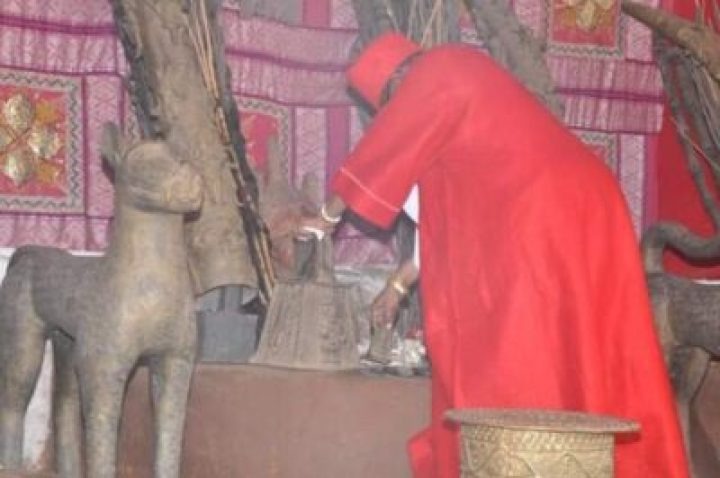
about Oduduwa. He looked like his father, huge, fair in complexion and masculine. Oduduwa instructed Ilowa and the others to treat their captives well. “Let them have their bath, give them food and let them rest for the night. I want to see their leaders again in the morning. I want to interrogate them.” In the morning, the village elders were surprised that Oduduwa could converse with the captives and concluded that gods are capable of anything. “Men of Igodo,” Oduduwa said presently in Igodo language, “we meet again but at a strange place and in a strange circumstance. Welcome to our sanctuary. Now who are you? What do you want? How did you get here?” His manner of address and the mention of Igodo convinced the captives that they were indeed in the presence of Ekaladerhan. Thus persuaded, Oliha felt at ease to speak. “Hail, noble One, you are right. We are men of Igodo. I am Oliha. This here is Edohen and the next is Eholo. We left home some four moons ago in search of Ekaladerhan n’ovbie Ogiso. Now our eyes behold him that we seek.” “Why do you seek him,” Oduduwa interjected rather sternly.
.jfif)
Oliha took his time to explain what had happened in Igodo since Ekaladerhan’s father died and said that they had been in search of him to invite him to his father’s vacant throne. That since the father died, anarchy, hunger and diseases had become the order of the day in Igodo, with powerful chiefs fighting each other to occupy the throne. That an old man, Evian, took over but he died and his son wants to succeed him. That Evian was not of royal blood; only the son of Ogiso succeeds Ogiso. Oduduwa, after listening attentively said: “I will not dwell too long on contemplation before responding to your request. My age and this new situation prevent me from going back with you. But I will not desert Igodo in her hour of need. I will give my son to you, if you wish. After all, he is my blood. He is, therefore, of the royal line of Owodo, your last Ogiso. But before I release my son to you, you will have to submit yourselves to a test. If you pass, it will be proof that you will be able to look after him. I will present your matter to my people tomorrow and after that you will take the test.” needs.
.jpg)
For the test, he gave the three leaders, a louse each to nurture for three moons. If they bring them back healthy, “I will be convinced that you will take care of my son,” Oduduwa said and turned to Ilowa, Eshindale and Obameri, “separate them into three groups and each of you take a group home for the three moons they would be with us for the test. Give them good accommodation and hospitality. None of their groups is to meet with the other until they come back here in three moons’ time.” Oliha’s group went with Ilowa to his house and one of Oliha’s boys wrapped the louse in a cocoyam leaf and put it under a water pot. Eholo’s group followed Eshindale home and after racking brains with his men, decided to keep the louse in a gourd. Oliha, who followed Obameri home, decided that his Odemwigie would keep the louse in his bushy hair. “Do not have a bath or a hair-cut until further notice,” he told him.
In the meantime, Oranmiyan was protesting against being sent to the strange land with the strange people. “Why not send someone else dad?” The father decided to tell him his secret and insisted he kept it to him self. “It is not a strange land, it is our ancestral land, he concluded.” Oranmiyan was pleased to be taken into confidence by his father and promised to do honour to the family name in Igodo.
After three moons, Izoduwa, surprised at the level of preservation and development of the lice, concluded that if the Edion’isen could so adequately take care of the lice, his son was likely to be in good hands. In the meantime, many ordinary people in Igodomigodo were not excited about the prospect of an Ife prince ruling them and also did not consider the Igodomigodo’s stool vacant. Irebor was on the throne and he was warning the people of Igodomigodo against what he described as (Ogie a mie, aimie Oba, meaning it is an Ogie that rules Igodomigodo and not an Oba), in protest against the intrusion of the Ife prince. The word Ogieamie then became the nickname of Irebor and subsequently the hereditary title of the ruler of Irebor’s Igodomigodo.
.jpg)
Oronmiyan’s intervention in Igodomigodo was around 1170 CE. Ogieamie Irebor prevented Prince Oronmiyan from entering the heart of Igodomigodo kingdom. The Edion’isen built a palace for Prince Oronmiyan at Usama. The Yoruba prince refused to fight Ogieamie. Unable to bear the animosity for too long, Oronmiyan renounced his office and called Igodomigodo, Ile Ibinu, (meaning a land of annoyance and vexation). He declared that only a child of the soil, educated in the culture and traditions of Igodomigodo could rule the kingdom.
Prince Oronmiyan, on his way home to Ife, stopped briefly at Egor, where he pregnated Princess Erimwinde, the daughter of the Enogie of Egor. Enogieship was created by the Ogiso dynasty. Egor was a dukedom and the Enogies of dukedoms were usually relatives and siblings of Igodomigodo monarchs. Many members of the guild of royal drummers whose ancestral home was at Ikpema quarters in Benin City, where allowed to settle in Ovia territory of Egor by the Enogie on the instructions of the Igodomigodo monarch at the time. Therefore, Oronmiyan’s choice of the Enogie of Egor’s daughter, on his way out of Igodomigodo, could not have been a casual decision and may have been arrived at through divination, and with the connivance of the Edion’isen. There was a strong link with the Igodomigodo royal family.
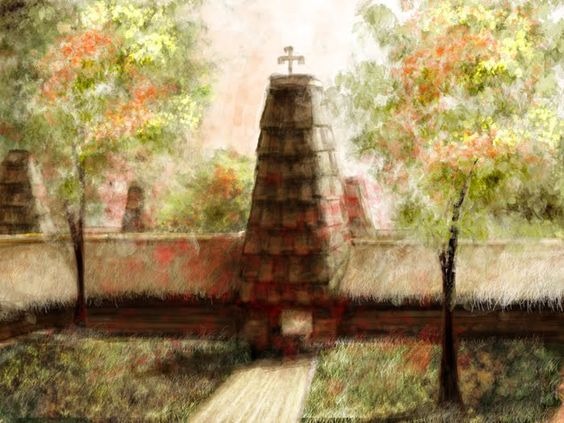
Oronmiyan left three of his chiefs behind to take care of the pregnant princess. The three chiefs were Ihama, Letema and Legema. Judging by Oronmiyan’s understanding of the intricacies of Igodomigodo traditions and culture, it is very likely that the ancestors of the three chiefs, like his own, were soaked in Igodomigodo mores. Ihama, the leader of the chiefs was definitely an Edo chieftaincy title. Oronmiyan, after his Igodomigodo experience, went on to establish the first Alaafin dynasty in Oyo. Apart from the seed he sowed in Benin, he eventually fathered two younger sons, Ajaka and Shango, who succeeded him in turn as the Alaafins of Oyo. Ihama and the two other Oronmiyan chiefs in Ile-Ibinu, successfully supervised Princess Erimwinde’s pregnancy and her eventual delivery of a baby boy who was speechless at birth, but who from early years loved playing the game of marble. When the Alaafin was informed by his chiefs in Ile-Ibinu about his son’s predicament, he sent seven ‘akhue’ seeds to the boy through Chief Ehendiwo. Children throw the seeds against targets on the ground in the marble game. While playing
.jfif)
the marble game with other children, one of Oronmiyan son’s throws hit the target and in the excitement he screamed: ‘Owomika,’ (meaning I have hit the target). This is how his title of Oba Eweka was derived
IGODOMIGODO (OGU-DUGU) ILE ,ILE UBINI .EDO
.The Origin of the Name Benin: Unveiling the Rich History The city of Benin, the capital of the Edo people, has undergone several name changes throughout its storied history. From Igodomigodo to Edo, and finally to Benin, the evolution of the city's name reflects the complex and fascinating narrative of the Benin Kingdom. Early Names - Igodomigodo (circa 601 AD): During the reign of Ogiso Igodo, the city was known as Igodomigodo, meaning "capital of Ogu-dugu" (ancient Benin Kingdom). - Ile (circa 1092-1180): From Ogiso Ere to Ogiso Owodo, and during the republican rule, the city was called Ile. - Ile Ibinu (circa 1180-1260): Under Oba Eweka I and Oba Ehenmihen, the city was referred to as Ile Ibinu. Ubini and Edo - Ubini (circa 1260-1440): From Oba Ewedo to Uwaifiokun, the city was known as Ubini. - Edo (1440-1473): During Ewuare the Great's reign, the city was renamed Edo, after a faithful slave. Benin City - Benin City (1914): The anglicized name became official during Eweka II's reign. Interesting Facts - The Itsekiri Kingdom, founded by Iginua, retained the name Ubini for the Benin Kingdom. - The name Edo remains in use among Edoid clans. Sources - DN Oronsaye: The History of the Ancient Benin Kingdom and Empire
We create simple and effective designs.
.SOME EXPRESSIONS OF ẸDO PARABLES 1.Enọ ma midobo ẹrọ mwẹn ẹtin (Who doesn't experience obstacle is one with strength)
2. Uhunmwun Ẹkpẹn ẹi wii yo oha (The head of a leopard is never to be forgotten in the forest)
3. Adeve ei fiobodo (A man with infested scrotum can never dance acrobatics)
4. Ẹkpoloiyẹkẹ ẹi gia mu vbovbo. (It is impossible to put a pregnant woman on your back as a baby)
5. Ọvbokhan ye ivikuẹ Erha ku vbe nọ ye ewẹn iyẹ ku (A child cannot play with his father's scrotum as would with the mother's sucking breast)
6. Ekhue ẹi mue oyi vbe nọ muẹn etiọnrẹn (A thief is never ashamed as his relations) 7
. Aiwe n'agbe ghẹ viẹ (You cannot beat a child and deprived him not to cry)
8. Erhan nọ ma gie owẹ gbe, ẹra tiẹre gharevba (The tree that was so rigid to cut down has become existant.
9. Ebe nọ rhiẹnrhiẹn ewe ẹrrọ gbe ewe (The sugar coated poisoned leaves is such that kill goat(s))
10. Obọ na so vbe ẹki ẹi lele ọmwan sẹ owa (The pleasant handshake at market place never followed anyone home)
11. Uhunmwun nọ gha rrie egie, ẹbo ọkpa daiyi. (The head that must wear the crown has no hindrance to stop it)
12. Aghatitigbe aghazese emietenmwen. (Fame beyond reality brings forth sacrifice of shame
13. Ama miẹn ẹsọn, ai miẹn uwa (Without hardwork efforts will not be crowned with success)
14. Amasabọ iwolo, aiwolo (If you are not capable to handle a challenge/squabble, never attempt it at all.)
15. Ẹkpẹn biẹ ọyẹvbu. (The Leopard never beget a weakling.)
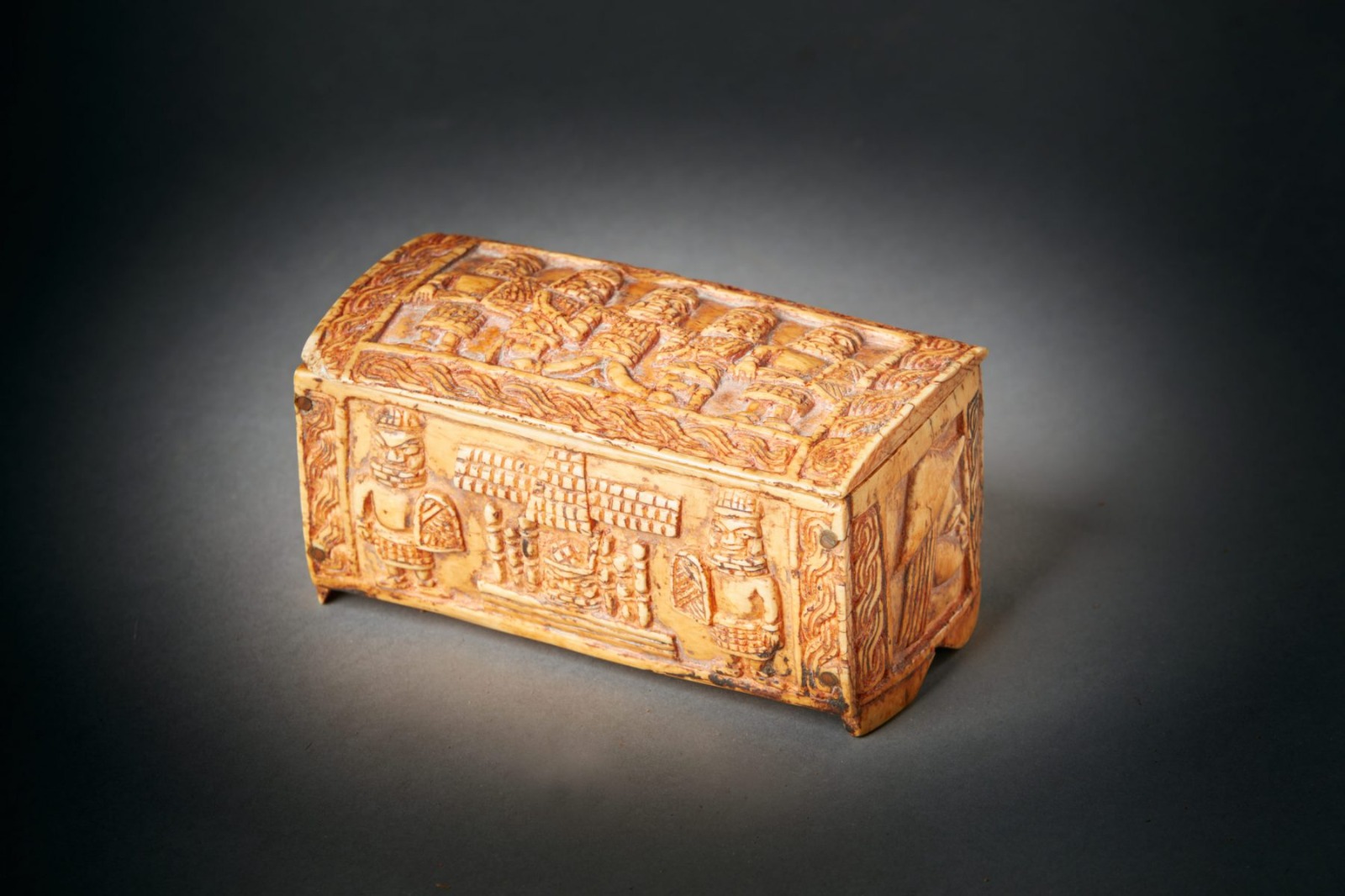
ABUNDANT ,MANPOWER,KNOWLEDGE , INTELLIGENCE
.The Edo Benin people are endowed with abundant manpower, knowledge, and intelligence. They are known for their brilliance. With these attributes, we are well-equipped to proceed. Let us now proceed with putting this into practice. My name is Dele Bello. (Ezemwenghian Ese Osaehuwuomwan Oviasuyi ) I am here to represent the Benin Advancement Forum in Edo state, the cradle of the Black civilazation. We stand proud as the descendants of Great Benin Empire, honoring the legacy of our ancestors while embracing the modern entrepreneurial spirit. Together, we are building a future where heritage and innovation go hand in hand, creating opportunities and prosperity for our people. Join us in this journey as we shape the future of Edo state and beyond. Let's connect and collaborate to unlock new possibilities and drive impactful change. Together, we can make a difference and achieve greatness. Join me in building a thriving business community in Edo state and beyond. Together, let's make history and leave a lasting legacy for generations to come. Thank you.
. KNOWTHYSELF
.Benin is widely accepted as the home or origin of Olokun worship. While most Olokun initiates in Africa are female, the legends that mark the beginning of Olokun worship feature stories of men being their initial worshipers. THE HUNTER There was a hunter that resided in Urhonigbe (near Benin City) in Edo/Bini Kingdom. One day he ventured off into the woods on a hunting expedition, while chasing a bush pig he was attracted to the river Ethiope where he was taken to the bottom of the river. It was here that he was introduced to the deity Olokun. He stayed in this underwater abode for three years and, in the course of that three years he was encouraged to participate in spiritual rituals that went on all the time. Equally, during this three year period he learned the spiritual sciences and worship practices associated with Olokun. Back in his home town, his family and neighbors assumed he was dead after being gone so long. They were surprised to say the least when he returned mute and dumbfounded (without the ability of speech or general sensibilities) carrying a water pot on his head. His only response was to dance to the shock of townsfolk. Eventually the crowd that had gathered began to mock his dance and it started what was to become a 14-day tribute of ritual dancing to Olokun. At the end of this period the hunter began to talk again and chose to share some of his experiences. All skepticism about his story were eased as his began to do spiritual work that created positive results for those around him. He was named chief priest of Olokun at this point. Even until today, hunters re-enact this famous prodigal son’s life with the annual festival and Ekaba dance. Urhoniigbe’s Olokun temple sits on the spot where he rested his Olokun pot/shrine on the 14th day.
THE PALM TREE In Ebvoesi, there was a boy named Omobe (rascal, troublesome child) that had great physical ability and was trained to be a wrestler. As he grew older his wrestling abilities grew stronger and before long he was considered the greatest wrestler in the world. At his birth the local priest/diviner warned his parents to not allow Omobe to climb palm trees. But one day while his parents were away he decided to climb a palm tree any way. From high up he could peer into the spirit world and he noticed that several divinities had gathered for a fantastic wrestling match! He immediately climbed down and made his way to the spirit world to test his own luck amongst a variety of spirits. He beat every opponent. Ancestors, Gods and all others lost at his hands, even Ogun. Finally he prepared to wrestle Olokun. While he summoned all of his physical strength, Olokun drew on His spiritual powers. During the match Omobe attempted to throw Olokun to the ground, but instead Olokun ended up firmly attached to his head. All attempts at removing Olokun from his head failed and Olokun declared it His permanent abode as a sign of Omobe’s arrogance and disrespect towards the other spirits. When Omobe returned home the local priest/diviner advised him to appease Olokun or die. So for seven days Omobe made sacrifice. On the last day Omobe was initiated as the first Olokun priest. After this Olokun loosened his grip on Omobe’s life. It is said that Omobe’s lack of respect for his parent’s, and spiritual elders and the divinities had landed his in such dire straits.
CONTRADICTORY STORIES IN ORISA CULTURE
Counting in Edo language. Benin Numeration (Number) System
1-Ọkpa (owo)
2-eva
3-eha
4-enẹn
5-isẹn
6-ehan
7-ihinron
8-erẹnrẹn
9-ihinrin
10-igbe
11-owọrọ
12-iweva
13-iweha
14-iwenen
15-ekesugie
16-enẹn ẹi rrọ vbe ugie
17-eha ẹi rrọ vbe ugie
18-eva ẹi rrọ vbe ugie
19-ọkpa ẹi rrọ vbe ugie
20-ugie 21-ọkpa yaen ugie
22-eva yaen ugie
23-eha yaen ugie
24-enen yaen ugie
25-isen yaen ugie 26
-enen ẹi rrọ vbe ọgban
27-eha ẹi rrọ vbe ọgban
.28-eva ẹi rrọ vbe ọgban
29-ọkpa ẹi rrọ vbe ọgban
30-ọgban
40-iyeva
50-ekigbesiyeha
60-iyeha
70-ekigbesiyenen
80-iyenen
90-ekigbesiyisen
100-iyisen
1000-Arriaisen
1,000,000-Ẹbo ọkpa
SOME EXPRESSIONS OF ẸDO PARABLES
.1.Enọ ma midobo ẹrọ mwẹn ẹtin (Who doesn't experience obstacle is one with strength) 2. Uhunmwun Ẹkpẹn ẹi wii yo oha (The head of a leopard is never to be forgotten in the forest)
3. Adeve ei fiobodo (A man with infested scrotum can never dance acrobatics)
4. Ẹkpoloiyẹkẹ ẹi gia mu vbovbo. (It is impossible to put a pregnant woman on your back as a baby)
5. Ọvbokhan ye ivikuẹ Erha ku vbe nọ ye ewẹn iyẹ ku (A child cannot play with his father's scrotum as would with the mother's sucking breast)

Pr.6. Ekhue ẹi mue oyi vbe nọ muẹn etiọnrẹn (A thief is never ashamed as his relations) 7. Aiwe n'agbe ghẹ viẹ (You cannot beat a child and deprived him not to cry) 8. Erhan nọ ma gie owẹ gbe, ẹra tiẹre gharevba (The tree that was so rigid to cut down has become existant.) 9. Ebe nọ rhiẹnrhiẹn ewe ẹrrọ gbe ewe (The sugar coated poisoned leaves is such that kill goat(s)) 10. Obọ na so vbe ẹki ẹi lele ọmwan sẹ owa (The pleasant handshake at market place never followed anyone home)
.11. Uhunmwun nọ gha rrie egie, ẹbo ọkpa daiyi. (The head that must wear the crown has no hindrance to stop it)
12. Aghatitigbe aghazese emietenmwen. (Fame beyond reality brings forth sacrifice of shame)
13. Ama miẹn ẹsọn, ai miẹn uwa (Without hardwork efforts will not be crowned with success) 14. Amasabọ iwolo, aiwolo (If you are not capable to handle a challenge/squabble, never attempt it at all.)
15. Ẹkpẹn biẹ ọyẹvbu. (The Leopard never beget a weakling.)
.Edogun family of Benin: The influence and tradition
.The Edogun family play a pivotal role in the traditional institution of Benin Kingdom. Edogun is a high chief and was 3rd ranking personality in Benin Military heirachy. Today, the influence and prominence of the Edogun family extends throughout Nigeria, not just Benin. According to history, it was the great ancestor of the Edogun family who usually led onslaught against external aggressors, who wanted to encroach on Benin kingdom. The King also inform him when the town is expecting visitors from other towns and villages for easy passage. As a war general, Edogun had the prerogatives to deny visitors entry in the interest of the king and people of Benin Kingdom. The king believe so much in the efficacy of his charms and ability to defeat enemies with his skilful traditional fighting skills. There were other warriors in his time but he was a war general because of his powers and influence. He has several people working under him as warriors and priests. Before the death of the progenitor of Edogun family, various traditional rites has been embedded in the way of life. The issue of making sacrifice using animals and female mutilation remain a key feature.–
By Igbite Gale Odogwu is the Asaba & Agbor version of the name Edogun in Benin. The influence and fame of the Benin warrior named Edogun had a spillover admiration to other parts of Benin Empire. So it was not surprising to see versions of such name playing the role or capacity of Edogun in Great Benin vassal territories - Paul Osa Igbineweka
Edogun is the head of the... IBIWE NE EKHUA in Benin kingdom... They're seventeen in numbers... Edogun Osa Eso Ezomurogho Edaza Obaloza Esogua Ikegua Arala Ana Obasogie Ezoba Derogho Uso Inen Zelebi Edamaza These are the seventeen chiefs of ( IBIWE NE EKHUA) in Benin kingdom.
Charles Igbineweka
1. EKO N'UNUAMẸ (LAGOS) was named Lago De Curamo by Sequeira, a Moorish Portuguese sailor who came to Lagos in 1472 with a ship load of Moorish refugees. The area was owned by the King of Benin who provided refuge to the Moorish Portuguese to settle under his protection. Source: Nigerian Museum 2. Below is an Ancient map of European visitors to part of West Africa in 1727 showing Lagos as tributary of Great Benin Kingdom. Here are some Ẹdo names that have been corrupted overtime in Eko Lagos. Aisikpa =Ashipa Obanikao = Obanikoro Oban'ęde = Obalende Obazuaye = Bajulaye Unuabehe = Inabere
Isi Eko = Isaleko Idumwun Öta =Idumot
Etin Osa =Eti Osa
Ile Eki = Lekki
Ole Eko = Eleko Idumwun agbon = Idumagbo Idumwun ugha=Iduganran Ọzọ ọta = Ọjota Etc....
During the late Queen of England ( Queen Elizabeth ) visit to Old Western Region which Great Benin was illegally added after British invasion of Great Benin Empire, Obafemi Awolowo invited Oba Akenzua II of Great Benin Empire to come to Ibadan to meet the Queen of England where other Traditional Rulers from old Western Region assembled to meet the Queen of England, Oba Akenzua declined the invitation and requested that he will only receive the Queen of England in his Benin Palace. The Queen of England then ordered Obafemi Awolowo to bring her to Benin for a visit with Oba Akenzua II. Below is the recorded bronze plaque from the meeting between the Great Oba Akenzua II and Queen Elizabeth that took place in Benin Kingdom.
ODODÜWA EKALADERHAN ODODUWA
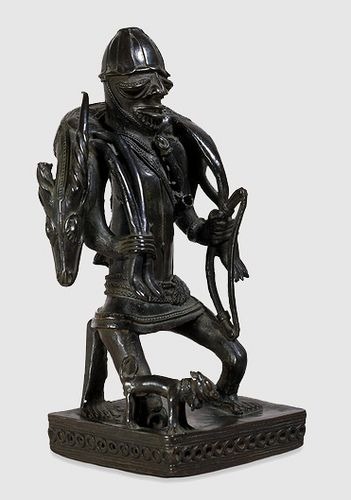
.BENINS ARE THE ONLY ONE WITH THE TRUE IMAGE OF ODODUWA EKALADERHAN OWODO The Benins Ekaladerhan Ododuwa Owodo had a protruding teeth (Akön gayan) as you can see from the looted Bronze artifacts of this great exiled Prince of Igodomigodo. He was the only son of Ogiso (King) Owodo and Oloi (Queen) Arukhö. Ekaladerhan n'Ododuwa has special love for the cockerel because the cockerel blood was spilled on the matchet in order to spare his life, a village named Uruökhökhö (Cockerel's neck) in Benin was the forest this event took place and that's how the cockerel story came into the distorted history of the west. If you look at the helmet very well, you can figure out a Cockerel's Comb on top of it. Disregard any other images that is being paraded as Ododuwa which some also sometimes pass off as Olokun and Obalufon's head that were dug up by colonialists in one man's compound which has never been tagged as Ododuwa in British museum. If you look at the upper helmet, you will find out where the falsified Aare" crown used at olojo festival was copied from which some claimed is traced to the first king that ruled the World, called NIMROD or LAMURUDU. The British looted these artworks from Benin Palace and hid them in their museum while helping Ife to falsify Ododuwa history as their plans was to use the Priest of Ifa in Ife to control Great Benin and Oyo after they exiled Oba Ovonramwen and Alaafin of Oyo who happens to be the direct descendants of Ododuwa Owodo to Calabar and Lagos colony for easy administration of their new illegal Southern protectorate. Edugie Aibuedefe
.BRIEF ON ORHIỌNMWOBỌ ABIẸBA, THE ANCIENT PHILOSOPHER KNOWN AS "ORHIỌNMWỌN NASAN'IBO" OR "ASAN'IBO N'OWẸN
BRIEF ON ORHIỌNMWOBỌ ABIẸBA, THE ANCIENT PHILOSOPHER KNOWN AS "ORHIỌNMWỌN NASAN'IBO" OR "ASAN'IBO N'OWẸN" By Dr. Paul Osa Igbineweka A man of nobility and would not demand for appreciation for rendering his services in resolving disputes or explaining confusion to solutions. Huge and bold in his character as we were told. Honoured by family and outsiders and commanded great respect in the society of live and let live. Have you heard of the slogan in Benin history as "Orhiọnmwọn Nasan'ibo"? He was a great philosopher during the reign of Ọba OVONRANMWẸN N'ỌGBAISI to the period of Ọba Ẹwẹka II. The man Orhiọnmwobọ of the ABIẸBA lineage that accompanied Ọba Ẹsigie to Idah war and returned with him to Ugiẹghudu the native place of Queen Mother Idia. When you hear of the song "Ẹse ni ru n'okpia kevbe ẹse ni ru n'okhuo iya lekhue Orhiọnmwọn NASAN'IBO Orhiọnmwobọ Erhamwẹn, Orhiọnmwobọ o! " Most unresolved matters were brought to him to give understanding and meaning to them. And people were relieved of bewildered predicament. Hence, those who would have thought of not forgiving offenders of offences would for the sake of Orhiọnmwọn NASAN'IBO forgive the offender. Such was the great philosopher of the time. Some things or issue not clear to understanding in those days were subjected to his scrutiny. He was the Ọbo-iro (Ọbiro) of that ancient times. We are his offsprings. According to the oral history from the ancient generation to us in the family, by his prowess in philosophical utterances his fame became so versed that the Ọba had to invite him to the palace to display understanding of some hidden secrets to unravelling deep things that bothered the kingdom. One of which led to the establishment of the ancient palace herbal and crop garden, another was the mystical search for the spiritual prisoner to which his offsprings were warned never to have such posture in life no matter what suffering one is exposed to. By his numerous display of philosophical wisdom as Ọbo-iro (Ọbiro) he was titled Orhiọnmwọn NASAN'IBO or ASAN'IBO N'OWẸN. Orhiọnmwobọ ABIẸBA later married the grand daughter of Oba Ọsemwẹdẹ, from the lineage of Ogbeọwẹmwẹkọn by name Uvbi nọkhua Isegbe-uwa gave birth to a son that was prematured and by the condition or circumstances was brought to the palace where he was raised up and before the naming ceremony Oko Aiguọbasinmwi OVONRANMWẸN was crowned Ọba. That eventually led to the naming of the son as Igbineweka (taking refuge under Ọba Eweka (n'Ovbiudu - Lion-hearted). Orhiọnmwobọ ABIẸBA's offsprings were usually referred to as Ivbiẹ ASAN'IBO N'OWẸN. I am just a great, great grandson of that lineage of which traces of such natural intelligence abound by experience and extension to generations after them. Besides being a great philosopher, he was a great farmer and had farms in ancient times around the present location of Lagos Street and Forestry. At a time when civilisation towards modernisation came into the city he moved his farm business to the Erua Community environs in company with his friend late Pa. Aganmwonyi of Ibiwe. Both were the first to establish palm plantations at Erua and opposite Erua respectively at IHIẸ side of the community before 1914. That was later known as Ọbarẹtin in honour of the late Queen Mother Aghahouwa N'ovbiErua, the mother of Oba Erediauwa of blessed memory.
EDO BENIN DREADLOCKS
DREADLOCKS ORIGIN: EDO BENIN EMPIRE 😘 Unveiling the Ancient Roots of Dreadlocks in Edo Culture: A Benin Bronze Revelation In the 16th/17th century, a remarkable Benin bronze artifact emerged, showcasing a man with dreadlocks, known as Agbihiagha or ihiagha to the Edo people. This iconic piece is associated with Oba Akengboi, the 23rd ruler of the ancient Kingdom of Benin (1669-1675 AD), who proudly wore his hair in dreadlocks. This discovery highlights the rich cultural heritage of the Edo people, where dreadlocks have been an accepted and integral part of their tradition for centuries. In Edo culture, dreadlocks are not a new phenomenon, but rather a timeless expression of identity, spirituality, and cultural pride. Contrary to modern misconceptions, dreadlocks are not a sign of unseriousness or sin, but rather a celebration of one's heritage and connection to their ancestors. This Benin bronze artifact serves as a testament to the enduring legacy of Edo culture, where dreadlocks have been a symbol of strength, wisdom, and beauty for generations. It's essential to recognize and respect the cultural significance of dreadlocks, acknowledging their ancient roots and the importance they hold in Edo tradition. Photo credit/source: British museum, nairaland #igedenation #africa #History #EdoCulture #BeninBronze #Dreadlocks #Agbihiagha #Ihiagha #ObaAkengboi #AncientKingdomOfBenin #CulturalHeritage #TraditionalHairstyle #CulturalPride #Identity #Spirituality #EdoPeople #buildteamAfrica #blackexellence #BlackExcellence #BlackCultureMatters #AfricanCulture #buildteamafrica #AfricanBeauty #Culture #Tradition #fypシ゚ #fypシ #fypシ゚viralシ #TeamNigeria #history #africa #fbreelsfypシ゚ #africanheritagery.
We deliver extraordinary
things.INGENUITY
The Day the Ingenuity of the Benin Sculptors and the Valor of the Portuguese Duo of Alfonso D"Aveiro and Hamilton saved the Day for the Benin Empire. Part 8 Of the original invading Idah host, only a handful escaped when they forded the Ikpoba at a point, they luckily discovered up stream where the depth of the river was shallow, and there was also this group too, who were fortunate to escape the slaughter because they were boys , barely into their teens many of whom were actually army drummers, These were captured, gagged and manacled, made to precede the triumphant procession of the victory flushed Isiemwenro guardsmen led by the Portuguese duo and the Uselu militia led by Queen mother Idia, who marched through the city main thoroughfare to a riotous welcome by the jubilant civil populace, with drumming, singing clapping and dancing! The triumphant train moved to the palace were they were received with all pomp and pegeantry by the visibly relieved and elated Oba Esigie who in gratitude to D'Aveiro and Hamilton, commissioned the Iguneronmwon guild to execute a commemorative Sculptural composition themed, 'Avan vb'Uti', a beninized pronunciation of D'Aveiro called 'Avan' and Hamilton called'Uti' in Benin language, as tribute to their immeasurable contribution to the significant and historic victory of that day!
.SOME EXPRESSIONS OF ẸDO PARABLES 1.Enọ ma midobo ẹrọ mwẹn ẹtin (Who doesn't experience obstacle is one with strength)
2. Uhunmwun Ẹkpẹn ẹi wii yo oha (The head of a leopard is never to be forgotten in the forest)
3. Adeve ei fiobodo (A man with infested scrotum can never dance acrobatics)
4. Ẹkpoloiyẹkẹ ẹi gia mu vbovbo. (It is impossible to put a pregnant woman on your back as a baby)
5. Ọvbokhan ye ivikuẹ Erha ku vbe nọ ye ewẹn iyẹ ku (A child cannot play with his father's scrotum as would with the mother's sucking breast)
6. Ekhue ẹi mue oyi vbe nọ muẹn etiọnrẹn (A thief is never ashamed as his relations)
7. Aiwe n'agbe ghẹ viẹ (You cannot beat a child and deprived him not to cry)
8. Erhan nọ ma gie owẹ gbe, ẹra tiẹre gharevba (The tree that was so rigid to cut down has become existant.)
9. Ebe nọ rhiẹnrhiẹn ewe ẹrrọ gbe ewe (The sugar coated poisoned leaves is such that kill goat(s))
10. Obọ na so vbe ẹki ẹi lele ọmwan sẹ owa (The pleasant handshake at market place never followed anyone home)
11. Uhunmwun nọ gha rrie egie, ẹbo ọkpa daiyi. (The head that must wear the crown has no hindrance to stop it)
12. Aghatitigbe aghazese emietenmwen. (Fame beyond reality brings forth sacrifice of shame)
13. Ama miẹn ẹsọn, ai miẹn uwa (Without hardwork efforts will not be crowned with success)
14. Amasabọ iwolo, aiwolo (If you are not capable to handle a challenge/squabble, never attempt it at all.)
15. Ẹkpẹn biẹ ọyẹvbu. (The Leopard never beget a weakling.)
About.Counting in Edo language
.Counting in Edo language. Benin Numeration (Number) System
1-Ọkpa (owo)
2-eva
3-eha
4-enẹ
5-isẹn
6-ehan
7-ihinron
8-erẹnrẹn
9-ihinrin
10-igbe
11-owọrọ
12-iweva
13-iweha
14-iwenen
15-ekesugie
16-enẹn ẹi rrọ vbe ugie
17-eha ẹi rrọ vbe ugie
18-eva ẹi rrọ vbe ugie
19-ọkpa ẹi rrọ vbe ugie
20-ugie
21-ọkpa yaen ugie
22-eva yaen ugie
23-eha yaen
24-enen yaen ugie
25-isen yaen ugie
26-enen ẹi rrọ vbe ọgban
27-eha ẹi rrọ vbe ọgban
28-eva ẹi rrọ vbe ọgban
29-ọkpa ẹi rrọ vbe ọgban
30-ọgban
40-iyeva
50-ekigbesiyeha
60-iyeha
70-ekigbesiyenen
80-iyenen
90-ekigbesiyisen
100-iyisen
1000-Arriaisen
1,000,000-Ẹbo ọkp
.OBA EWUARE'S TIME OF REFUGE IN ISSELE-UKU
By Brenda Waller
.OBA EWUARE'S TIME OF REFUGE IN ISSELE-UKU The beauty of Enuani history is in its preservation through oral history, physical evidence, greetings, songs and nomenclatures. So is the story of Oba Ewuare I of Benin kingdom, who reigned from 1440AD-1473AD. Much of what is known about Oba Ewuare are stories of his greatness, but not much of his travails. Prior to his ascension to the Benin throne which came via a coup, Prince Ogun( later Oba Ewuare), went on exile when Oba Orobiru reigned after the death of their father Oba Ohen. It was on this exile,that prince Ogun took refuge in Issele-uku during the "reign of the father of Ezeh-Ikhimi(Chime)". He was received and cared for as a Benin Prince by the parents of Ezeh-Ikhimi. His choice of Issele-uku was particularly because Issele-uku was a Benin extension “Edo’no’ri’isile-uku) and thus considered home away from home for the exiled prince. He spent a long time in Issele-uku while in exile and the Prince Stayed in Ukpai quarters and for reason of his princely status, was conferred with the Chieftancy title of the Onotu group; Akogwu(A title which exists in Benin today as Isogwu or Akoka). The same title continues to be held in Isseleuku till date by the Ukpai people commemorative of the times Oba Ewuare lived among them and held the title himself. It was this special relationship that fostered a peaceful end to the tussles of Rulership of Ezeh-ikhimi’s children when they went to the Benin palace during the reign of Oba Esigie who recently took over the throne after the death of Oba Ozolua who was the third son of Oba Ewuare in 1505. Oba Esigie himself reigned between 1504-1550 and thus is valid to have been in position of authority when the Ezeh-Ikhimi’s children’s tussle happened.This date correlation,validates the authenticity of enuani history about the Ezeh-Ikhimi story. Just few years ago, 3 Benin chiefs were present during the ine-onyimi festival of Isseleuku and watched the display of the present Akogwu of Isseleuku to their great delight. Courtesy: Josh Akeh and EFOS BLOG
The Legacy of Oba Orhogbua
A Story of Education, Kingship, and Faith
Orhogbua's Journey
Orhogbua, son of Oba Esigie, embarked on a remarkable journey. He traveled to Portugal in 1544, where he was converted to Christianity and received a comprehensive education. His studies were geared towards becoming a Catholic priest, a path that would have taken him far from his homeland. However, fate had other plans.
Upon his father's death in 1550, Orhogbua faced a crucial decision: embrace his destiny as the Oba of Benin or continue his priestly calling. The Edo proverb, "Ai wo Oba, wo ebo: You cannot be king, and concurrently be a priest to a deity," resonated deeply.
Orhogbua chose to return to Benin and ascend the throne, leaving behind his priestly aspirations. His overseas education, however, left an indelible mark. He brought with him a new perspective, a love for Eko (Lagos), and a commitment to modernizing his kingdom.
Oba Esigie may have been the first Oba of BENIN to accept Christianity
.This is Eatonville, Florida, USA, Ọba Ẹsigie the first Oba of Great Benin Empire to be educated in the knowledge of European education in Portugal 1504 - 1550 He was the first Oba to be bartised and accepted Christianity, which really got the Uzama's angry nd they neglected thier duty to d Oba, and the Oba created another Uzama's known as Uzama Ñ Ibie. As u can see, the picture below is self explanatory, he is holding the Benin Ukhuere and the European Bible. He was the first Nigerian to speak a foreign language. Please tell the story louder. The first king to be educated in West Africa. Extract...
ATẸTẸ NẸI WI YIGHO NAYA KPE N'ỌDỌ -FROM ERUA HISTORICAL NARRATIVE.
Lorem The above phrase of a song was a narration of the experience of our departed great king; Ọba Ovọnranmwẹn - Nọgbaisi, by Erua community, before he voluntarily surrendered himself to the British troops in 1897. This became a popular song, that was further cast on music disc by the late legend, and music maestro, Sir. Victor Efosa UWAIFO, who was later a Professor of Arts at the University of Benin. The song originated from the role that ERUA community played in protecting the Ọba Ovọnranmwẹn - Nọgbaisi, during the punitive expedition of the Kingdom of Benin by the British in 1897. During that Benin - British war, otherwise referred to as the Benin massacre of Phillips' party in 1897, the old palace was taken over on the 17th February, 1897, all the inhabitants with the King and juju men fled into the bush. A portion of the houses surrounding the king's compound was blown up and destroyed (Egharevba, 1968:51), lots of Benin Artefacts were stolen by the British soldiers. They ransacked the palace but the Ọba Ovọnranmwẹn - Nọgbaisi was not found, he had relocated to the Uhunmwode region of villages, where he eventually arrived ERUA community. According to Egharevba (1968:50) "while the British were approaching the city the Oba dressed himself up and sat at Unuọgua (the tower of the palace) awaiting their arrival, but the chiefs advised him to quit the city a while. He refused to do this at first, but at last his advisers prevailed and very unwillingly he took to flight and sought refuge in neighbouring villages. As he was leaving the city he sent some of his wives to the care of his mother at USELU, and a great many others were allowed to go to their respective homes. A few favourite ones accompanied him." From extant history, our elders had narrated that in ERUA he was further fortified, hence it was said "ọgh ọmwa Ọba diaa vbe ERUA - meaning it was a man's house the Ọba resided in ERUA. To this end, the Oba cannot use a pillow of a subject, but that of a king as himself to sleep, hence the great wizard at that time OSAWE nakpu (The short OSAWE) took up the challenge to get the pillow of the king of Akure overnight to the Oba, and in that mission he had an assistant who was not as strong as himself, as they got the pillow they had a challenge as they were pursued while they had the pillow, but his assistant was lost in that mission. Yet OSAWE Nakpu (ne tẹkpu) was able to deliver the pillow to the Ọba, hence the slogan: Nọ miẹn ERUA lẹẹ ne ERUA, ERUA mwẹ ababe - meaning who see ERUA must be frightened for their wizardry. It was also part of this episode that brought about the saying "ada bun vbe ERUA" - meaning you have many directions in ERUA, what actually happened was that they were not literal or physical directions, but of spiritual and magical intent. This assertion as told by our forebears that when the British soldiers and those who betrayed the whereabouts of the Ọba, had hinted of the Ọba's hideout, they came to ERUA but the directions became so many that they could not ascertained which of them led to the whereabouts of the Ọba, especially when the actual route had cobwebs. This took a long while, when the city was subjected to British pillage and massacre. At this time the Ọba became worried, that instead of hiding to allow his subjects to be massacred, he would rather submit himself, but the ERUA performed their feat to assure him of no harm, they fortified him with mystical powers that he can penetrate a big tree and be covered up without being found by those searching for him. He yielded at first to their advice, but when his most cherished favourite wife Ẹkpenodibo that accompanied him advised against it, that advice from his favourite wife thwarted the plan of the antidotes. And he finally resolved to surrender himself voluntarily, not as a coward, but to save his people from total vengeance of the British. From this last scenario this song "Atẹtẹ nẹi wi yighoro Naya kpe n'ọdọ, Ẹkpenodibo maghi giẹ resẹẹ, zọramwẹbọ ọdọ." - Meaning the trading mat that goes and returned from the market was what was used to plan or make the antidote of escape for the husband, but Ẹkpenodibo, the most cherished wife would not let it fulfill, it is the cherished wife that caused it not to be fulfilled. However, the end had justified the means of His boldness that reduced further pillage in the city of Benin. On the 5th August, 1897, Ọba Ovọnranmwẹn - Nọgbaisi came into Benin City with a large following, amounting to about 700 or 800 people, all unarmed, headed by messengers with a white flag in front (a mark of peace). He was supported in the usual way by his chosen men holding him up by each arm (Egharevba, 1968:51). This was a narration of part of the ordeal of the British invasion. The song "Atẹtẹ nẹi wi yighoro Naya kpe n'ọdọ, Ẹkpenodibo maghi giẹ resẹẹ, zọramwẹbọ ọdọ," became a dirge (a mournful poem or piece of music as a memorial to the king who was finally deported to Calabar). While leaving the City he lamented: 'I appeal to the Almighty and the Spirits of the departed OBAS of Benin, my fathers, to judge between me and the Binis who ill-advised and cunningly sold me into the hands of the British troops in search of their own liberty and benefit. Oh! Benin, Merciless and wicked! Farewell, Farewell' (Egharevba, 1968:59). Ọba Ovọnranmwẹn - Nọgbaisi finally departed in January, 1914. The year that Northern and Southern protectorates were almagamated after the last premier Ọba Ovọnranmwẹn - Nọgbaisi. Thereafter, his eldest Son, prince Aiguobasinmwi Ovọnranmwẹn, became Ọba Ẹwẹka II, who succeeded his father as hereditary demands against all odds. Today, we hear or use all these idioms and slogans in Benin territory without the understanding in many ways how they came to be or what actually happened. Benin idioms and expressions do not come in isolation, there were events in extant history that resulted to them. Hardly you can find an expression without a meaning in Benin. A look from an elder to a younger generation, by frowning, or grimmaces, means a lot in correcting deviant behaviour, just like the icons of smiling, crying, laughing, etc on social media like facebook. The Benin as a people have a culture deeply rooted in their language, their Ẹdo language terms and expressions is not without meaning in every way, just as names are meaningful. But in some culture today, younger generations do not know the meaning of their native names or surnames. The first thing that can eliminate a group of people is to remove their language. Therefore, it is necessary to educate our people in our languages. In lieu of conclusion, ERUA is a well known community in Benin history, however, most of the roles played in the life of every monarch is a homely consumption. That signifies why ERUA has always assume a missing link even in great episodes of Benin history. The reason cannot be far fetched, as no one would toy with the secret of his power. To the tradition, and respect to my forebears, even if I may not practice all the traditions, does not deny their existence. God bless ERUA community, the home of my nativity. References: *Egharevba, J.U. (1968) A Short History of Benin. Ibadan, University Press, 4th ed. *Erua Community, Uhunmwuodẹ: Home Traditional History from Oral interviews of Past & Present Oral History. *Uwaifo, V. E. (Sir) : Musical song; Atete neiwi yighoro. Professor of Art, University of Benin
Jonathan Courtright
ATẸTẸ NẸI WI YIGHO NAYA KPE N'ỌDỌ -FROM ERUA HISTORICAL NARRATIVE.
Lorem The above phrase of a song was a narration of the experience of our departed great king; Ọba Ovọnranmwẹn - Nọgbaisi, by Erua community, before he voluntarily surrendered himself to the British troops in 1897. This became a popular song, that was further cast on music disc by the late legend, and music maestro, Sir. Victor Efosa UWAIFO, who was later a Professor of Arts at the University of Benin. The song originated from the role that ERUA community played in protecting the Ọba Ovọnranmwẹn - Nọgbaisi, during the punitive expedition of the Kingdom of Benin by the British in 1897. During that Benin - British war, otherwise referred to as the Benin massacre of Phillips' party in 1897, the old palace was taken over on the 17th February, 1897, all the inhabitants with the King and juju men fled into the bush. A portion of the houses surrounding the king's compound was blown up and destroyed (Egharevba, 1968:51), lots of Benin Artefacts were stolen by the British soldiers. They ransacked the palace but the Ọba Ovọnranmwẹn - Nọgbaisi was not found, he had relocated to the Uhunmwode region of villages, where he eventually arrived ERUA community. According to Egharevba (1968:50) "while the British were approaching the city the Oba dressed himself up and sat at Unuọgua (the tower of the palace) awaiting their arrival, but the chiefs advised him to quit the city a while. He refused to do this at first, but at last his advisers prevailed and very unwillingly he took to flight and sought refuge in neighbouring villages. As he was leaving the city he sent some of his wives to the care of his mother at USELU, and a great many others were allowed to go to their respective homes. A few favourite ones accompanied him." From extant history, our elders had narrated that in ERUA he was further fortified, hence it was said "ọgh ọmwa Ọba diaa vbe ERUA - meaning it was a man's house the Ọba resided in ERUA. To this end, the Oba cannot use a pillow of a subject, but that of a king as himself to sleep, hence the great wizard at that time OSAWE nakpu (The short OSAWE) took up the challenge to get the pillow of the king of Akure overnight to the Oba, and in that mission he had an assistant who was not as strong as himself, as they got the pillow they had a challenge as they were pursued while they had the pillow, but his assistant was lost in that mission. Yet OSAWE Nakpu (ne tẹkpu) was able to deliver the pillow to the Ọba, hence the slogan: Nọ miẹn ERUA lẹẹ ne ERUA, ERUA mwẹ ababe - meaning who see ERUA must be frightened for their wizardry. It was also part of this episode that brought about the saying "ada bun vbe ERUA" - meaning you have many directions in ERUA, what actually happened was that they were not literal or physical directions, but of spiritual and magical intent. This assertion as told by our forebears that when the British soldiers and those who betrayed the whereabouts of the Ọba, had hinted of the Ọba's hideout, they came to ERUA but the directions became so many that they could not ascertained which of them led to the whereabouts of the Ọba, especially when the actual route had cobwebs. This took a long while, when the city was subjected to British pillage and massacre. At this time the Ọba became worried, that instead of hiding to allow his subjects to be massacred, he would rather submit himself, but the ERUA performed their feat to assure him of no harm, they fortified him with mystical powers that he can penetrate a big tree and be covered up without being found by those searching for him. He yielded at first to their advice, but when his most cherished favourite wife Ẹkpenodibo that accompanied him advised against it, that advice from his favourite wife thwarted the plan of the antidotes. And he finally resolved to surrender himself voluntarily, not as a coward, but to save his people from total vengeance of the British. From this last scenario this song "Atẹtẹ nẹi wi yighoro Naya kpe n'ọdọ, Ẹkpenodibo maghi giẹ resẹẹ, zọramwẹbọ ọdọ." - Meaning the trading mat that goes and returned from the market was what was used to plan or make the antidote of escape for the husband, but Ẹkpenodibo, the most cherished wife would not let it fulfill, it is the cherished wife that caused it not to be fulfilled. However, the end had justified the means of His boldness that reduced further pillage in the city of Benin. On the 5th August, 1897, Ọba Ovọnranmwẹn - Nọgbaisi came into Benin City with a large following, amounting to about 700 or 800 people, all unarmed, headed by messengers with a white flag in front (a mark of peace). He was supported in the usual way by his chosen men holding him up by each arm (Egharevba, 1968:51). This was a narration of part of the ordeal of the British invasion. The song "Atẹtẹ nẹi wi yighoro Naya kpe n'ọdọ, Ẹkpenodibo maghi giẹ resẹẹ, zọramwẹbọ ọdọ," became a dirge (a mournful poem or piece of music as a memorial to the king who was finally deported to Calabar). While leaving the City he lamented: 'I appeal to the Almighty and the Spirits of the departed OBAS of Benin, my fathers, to judge between me and the Binis who ill-advised and cunningly sold me into the hands of the British troops in search of their own liberty and benefit. Oh! Benin, Merciless and wicked! Farewell, Farewell' (Egharevba, 1968:59). Ọba Ovọnranmwẹn - Nọgbaisi finally departed in January, 1914. The year that Northern and Southern protectorates were almagamated after the last premier Ọba Ovọnranmwẹn - Nọgbaisi. Thereafter, his eldest Son, prince Aiguobasinmwi Ovọnranmwẹn, became Ọba Ẹwẹka II, who succeeded his father as hereditary demands against all odds. Today, we hear or use all these idioms and slogans in Benin territory without the understanding in many ways how they came to be or what actually happened. Benin idioms and expressions do not come in isolation, there were events in extant history that resulted to them. Hardly you can find an expression without a meaning in Benin. A look from an elder to a younger generation, by frowning, or grimmaces, means a lot in correcting deviant behaviour, just like the icons of smiling, crying, laughing, etc on social media like facebook. The Benin as a people have a culture deeply rooted in their language, their Ẹdo language terms and expressions is not without meaning in every way, just as names are meaningful. But in some culture today, younger generations do not know the meaning of their native names or surnames. The first thing that can eliminate a group of people is to remove their language. Therefore, it is necessary to educate our people in our languages. In lieu of conclusion, ERUA is a well known community in Benin history, however, most of the roles played in the life of every monarch is a homely consumption. That signifies why ERUA has always assume a missing link even in great episodes of Benin history. The reason cannot be far fetched, as no one would toy with the secret of his power. To the tradition, and respect to my forebears, even if I may not practice all the traditions, does not deny their existence. God bless ERUA community, the home of my nativity. References: *Egharevba, J.U. (1968) A Short History of Benin. Ibadan, University Press, 4th ed. *Erua Community, Uhunmwuodẹ: Home Traditional History from Oral interviews of Past & Present Oral History. *Uwaifo, V. E. (Sir) : Musical song; Atete neiwi yighoro. Professor of Art, University of Benin
Jonathan Courtright
Let us do the work.
 .O reconhecimento pelo Império do Benim
Ao reconhecimento pelos EUA, em maio de 1824, seguir-se-ia
outro – que acabaria, porém, quase tanto quanto o reconhecimento
argentino, praticamente esquecido pela historiografia tradicional acerca
dos primeiros contatos internacionais do Brasil independente.
Em julho de 1824, desembarcou no Rio de Janeiro um embai
xador do imperador Osemwende, do Benim, soberano sobre outros
reis africanos da região da atual Nigéria. O embaixador beninês foi
recebido por dom Pedro I na residência imperial, e a ele apresentou
carta credencial.40
Referências à existência de embaixadas africanas no Brasil impe
rial podem resultar surpreendentes, por contrastarem com a abordagem
de grande parte da historiografia tradicional, para a qual a história do
continente africano se inicia com a “partilha da África” entre as potên
cias coloniais europeias – episódio que, antes que o início, constituiu
na verdade o fim, ou a interrupção, de séculos de história soberana dos
povos do continente.
Séculos antes da ocupação e da colonização pelos europeus, a
África viu florescerem sociedades organizadas e complexas, muitas das
quais com papel ativo no comércio intercontinental, e vários desses
reinos africanos pré-coloniais chegaram mesmo a enviar embaixadores
à América e à Europa.
O Reino do Congo (na atual República de Angola), por exemplo,
enviou já no século XVI embaixadores às cortes de Portugal e Holanda
e ao Vaticano, onde os diplomatas africanos foram recebidos com o
tratamento então devido a enviados estrangeiros.41
No século XVII e no início do XVIII, estiveram no Brasil colônia
embaixadores de reinos africanos que mantinham importante fluxo
comercial com o Brasil e com a Europa – o Reino do Daomé (corres
pondente à atual República do Benim) e o Reino de Lagos, vassalo do
Império do Benim (que corresponde à atual Nigéria).42
O Império do Benim – centrado na atual Benin City, cidade no
interior da Nigéria, e com soberania sobre Lagos, hoje maior cidade
nigeriana – viria a ser o autor do terceiro reconhecimento diplomático
da independência do Brasil, após apenas os dos governos de Buenos
Aires e de Washington.43
O embaixador do Império do Benim e sua comitiva chegaram ao
Rio de Janeiro no dia 1º de julho de 1824, a bordo da fragata imperial
Mariana. A chegada do embaixador foi anunciada pelo Diário do Rio de
Janeiro e pelo Diário do Governo do Império do Brasil.
44
Dias mais tarde, em 20 de julho de 1824, foi o embaixador afri
cano recebido por dom Pedro I no imperial Paço da Quinta da Boa
Vista. A 26 de julho, por nota enviada ao embaixador, o então chan
celer Luiz José de Carvalho e Mello transmite a notícia de que dom
Pedro mandara o “Tesouro Público” pagar 1600 réis diários ao embai
xador, para seu sustento enquanto permanecesse na corte; a quantia foi
paga diariamente ao embaixador até 17 de agosto seguinte.45
Em que pesem os registros existentes acerca da missão, nenhuma
menção ao embaixador africano foi incluída no Arquivo Diplomático da
Independência, publicado em 1922 e republicado no sesquicentenário da
Independência.
Conclusões
É evidente o contraste entre o tratamento dado pela historiografia
tradicional da independência do Brasil aos reconhecimentos feit
.O reconhecimento pelo Império do Benim
Ao reconhecimento pelos EUA, em maio de 1824, seguir-se-ia
outro – que acabaria, porém, quase tanto quanto o reconhecimento
argentino, praticamente esquecido pela historiografia tradicional acerca
dos primeiros contatos internacionais do Brasil independente.
Em julho de 1824, desembarcou no Rio de Janeiro um embai
xador do imperador Osemwende, do Benim, soberano sobre outros
reis africanos da região da atual Nigéria. O embaixador beninês foi
recebido por dom Pedro I na residência imperial, e a ele apresentou
carta credencial.40
Referências à existência de embaixadas africanas no Brasil impe
rial podem resultar surpreendentes, por contrastarem com a abordagem
de grande parte da historiografia tradicional, para a qual a história do
continente africano se inicia com a “partilha da África” entre as potên
cias coloniais europeias – episódio que, antes que o início, constituiu
na verdade o fim, ou a interrupção, de séculos de história soberana dos
povos do continente.
Séculos antes da ocupação e da colonização pelos europeus, a
África viu florescerem sociedades organizadas e complexas, muitas das
quais com papel ativo no comércio intercontinental, e vários desses
reinos africanos pré-coloniais chegaram mesmo a enviar embaixadores
à América e à Europa.
O Reino do Congo (na atual República de Angola), por exemplo,
enviou já no século XVI embaixadores às cortes de Portugal e Holanda
e ao Vaticano, onde os diplomatas africanos foram recebidos com o
tratamento então devido a enviados estrangeiros.41
No século XVII e no início do XVIII, estiveram no Brasil colônia
embaixadores de reinos africanos que mantinham importante fluxo
comercial com o Brasil e com a Europa – o Reino do Daomé (corres
pondente à atual República do Benim) e o Reino de Lagos, vassalo do
Império do Benim (que corresponde à atual Nigéria).42
O Império do Benim – centrado na atual Benin City, cidade no
interior da Nigéria, e com soberania sobre Lagos, hoje maior cidade
nigeriana – viria a ser o autor do terceiro reconhecimento diplomático
da independência do Brasil, após apenas os dos governos de Buenos
Aires e de Washington.43
O embaixador do Império do Benim e sua comitiva chegaram ao
Rio de Janeiro no dia 1º de julho de 1824, a bordo da fragata imperial
Mariana. A chegada do embaixador foi anunciada pelo Diário do Rio de
Janeiro e pelo Diário do Governo do Império do Brasil.
44
Dias mais tarde, em 20 de julho de 1824, foi o embaixador afri
cano recebido por dom Pedro I no imperial Paço da Quinta da Boa
Vista. A 26 de julho, por nota enviada ao embaixador, o então chan
celer Luiz José de Carvalho e Mello transmite a notícia de que dom
Pedro mandara o “Tesouro Público” pagar 1600 réis diários ao embai
xador, para seu sustento enquanto permanecesse na corte; a quantia foi
paga diariamente ao embaixador até 17 de agosto seguinte.45
Em que pesem os registros existentes acerca da missão, nenhuma
menção ao embaixador africano foi incluída no Arquivo Diplomático da
Independência, publicado em 1922 e republicado no sesquicentenário da
Independência.
Conclusões
É evidente o contraste entre o tratamento dado pela historiografia
tradicional da independência do Brasil aos reconhecimentos feit
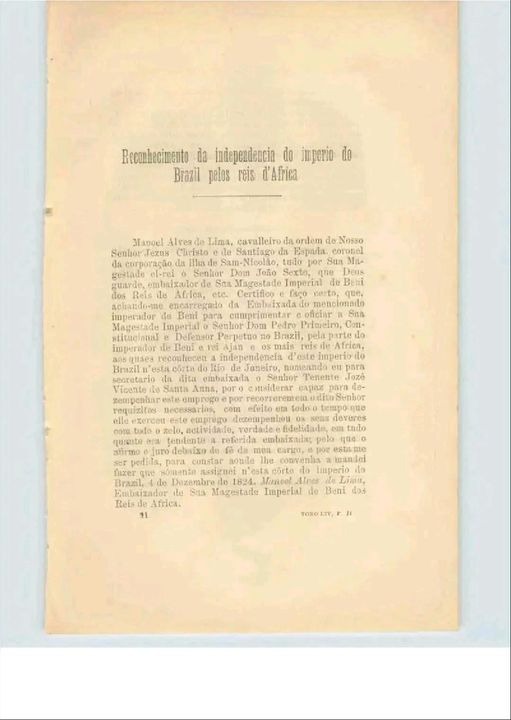 .Translation
39. Recognition by the Benin Empire
Recognition by the USA, in May 1824, would be followed by
another – which would end, however, almost as much as the recognition
Argentinean, practically forgotten by traditional historiography about
of the first international contacts of independent Brazil.
In July 1824, a ship disembarked in Rio de Janeiro
Ambassador of Emperor Osemwende, of Benin, The Beninese ambassador was
received by Dom Pedro I at the imperial residence, and presented to him
letter of credential.40
References to the existence of African embassies in Brazil
rial can be surprising, as they contrast with the
of much of traditional historiography, for which the history of
African continent begins with the “sharing of Africa” between the powers
European colonial societies – an episode that, before the beginning, constituted
actually the end, or interruption, of centuries of sovereign history of
peoples of the continent.
Centuries before occupation and colonization by Europeans,
Africa has seen organized and complex societies flourish, many of them
which play an active role in intercontinental trade, and several of these
pre-colonial African kingdoms even sent ambassadors
to America and Europe.
The Kingdom of Congo (in today's Republic of Angola), for example,
In the 16th century, he sent ambassadors to the courts of Portugal and Holland
and to the Vatican, where African diplomats were received with the
treatment then due to foreign envoys.41
In the 17th and early 18th centuries, they were in colonial Brazil.
ambassadors from African kingdoms that maintained an important flow
trade with Brazil and Europe – the Kingdom of Dahomey (runs
ponsant to the current Republic of Benin) and the Kingdom of Lagos, vassal of
Benin Empire (which corresponds to present-day Nigeria).42
The Benin Empire – centered on present-day Benin City, a city in
interior of Nigeria, and with sovereignty over Lagos, today's largest city
Nigerian – would become the author of the third diplomatic recognition
of Brazil's independence, after only those of the Buenos Aires governments
Aires and Washington.43
The ambassador of the Benin Empire and his entourage arrived at the
Rio de Janeiro on July 1, 1824, aboard the imperial frigate
Mariana. The arrival of the ambassador was announced by Diário do Rio de
Janeiro and by the Government Gazette of the Empire of Brazil.
44
Days later, on July 20, 1824, he was the African ambassador
received by Dom Pedro I in the imperial Palace of Quinta da Boa
On July 26, in a note sent to the ambassador, the then Chanceler Luiz José de Carvalho e Mello transmits the news that gift
Pedro ordered the “Public Treasury” to pay 1600 réis daily to the ambassador, for his support while he remained at court; the amount was
paid daily to the ambassador until the following August 17.45
Despite existing records about the mission, none
mention of the African ambassador was included in the Diplomatic Archive of
Independence, published in 1922 and republished on the sesquicentenary of
Independence.
Conclusions
The contrast between the treatment given by historiography
tradition of Brazil's independence to the recognitions made
Culled from pages 518-519 of Argentina,
primeiro país a reconhecer
a independência do Brasil
Rodrigo Wiese Randig
.Translation
39. Recognition by the Benin Empire
Recognition by the USA, in May 1824, would be followed by
another – which would end, however, almost as much as the recognition
Argentinean, practically forgotten by traditional historiography about
of the first international contacts of independent Brazil.
In July 1824, a ship disembarked in Rio de Janeiro
Ambassador of Emperor Osemwende, of Benin, The Beninese ambassador was
received by Dom Pedro I at the imperial residence, and presented to him
letter of credential.40
References to the existence of African embassies in Brazil
rial can be surprising, as they contrast with the
of much of traditional historiography, for which the history of
African continent begins with the “sharing of Africa” between the powers
European colonial societies – an episode that, before the beginning, constituted
actually the end, or interruption, of centuries of sovereign history of
peoples of the continent.
Centuries before occupation and colonization by Europeans,
Africa has seen organized and complex societies flourish, many of them
which play an active role in intercontinental trade, and several of these
pre-colonial African kingdoms even sent ambassadors
to America and Europe.
The Kingdom of Congo (in today's Republic of Angola), for example,
In the 16th century, he sent ambassadors to the courts of Portugal and Holland
and to the Vatican, where African diplomats were received with the
treatment then due to foreign envoys.41
In the 17th and early 18th centuries, they were in colonial Brazil.
ambassadors from African kingdoms that maintained an important flow
trade with Brazil and Europe – the Kingdom of Dahomey (runs
ponsant to the current Republic of Benin) and the Kingdom of Lagos, vassal of
Benin Empire (which corresponds to present-day Nigeria).42
The Benin Empire – centered on present-day Benin City, a city in
interior of Nigeria, and with sovereignty over Lagos, today's largest city
Nigerian – would become the author of the third diplomatic recognition
of Brazil's independence, after only those of the Buenos Aires governments
Aires and Washington.43
The ambassador of the Benin Empire and his entourage arrived at the
Rio de Janeiro on July 1, 1824, aboard the imperial frigate
Mariana. The arrival of the ambassador was announced by Diário do Rio de
Janeiro and by the Government Gazette of the Empire of Brazil.
44
Days later, on July 20, 1824, he was the African ambassador
received by Dom Pedro I in the imperial Palace of Quinta da Boa
On July 26, in a note sent to the ambassador, the then Chanceler Luiz José de Carvalho e Mello transmits the news that gift
Pedro ordered the “Public Treasury” to pay 1600 réis daily to the ambassador, for his support while he remained at court; the amount was
paid daily to the ambassador until the following August 17.45
Despite existing records about the mission, none
mention of the African ambassador was included in the Diplomatic Archive of
Independence, published in 1922 and republished on the sesquicentenary of
Independence.
Conclusions
The contrast between the treatment given by historiography
tradition of Brazil's independence to the recognitions made
Culled from pages 518-519 of Argentina,
primeiro país a reconhecer
a independência do Brasil
Rodrigo Wiese Randig
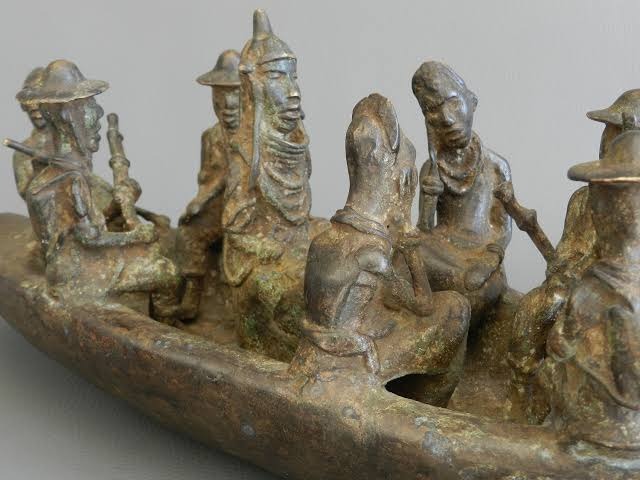
.ecognition of the independence of the Brazilian empire by the kings of Africa Manoel Alves de Lima, knight of the order of Our Lord Jezus Christo and of Santiago da Espada, colonel of the corporation of the island of Sam-Nicolão, all for His Majesty the King the Lord Dom João Sexto, may God preserve, ambassador of His Imperial Majesty of Beni of the Kings of Africa, etc. I certify and make it certain that, finding myself in charge of the Embassy of the aforementioned Emperor of Beni to greet and officiate the Lord Dom Pedro Primeiro, Constitutional and Perpetual Defender in Brazil, on behalf of the Emperor of Beni and King Ajan and the most kings of Africa, to whom he recognized the independence of this empire of Brazil in this court of Rio de Janeiro, appointing me as secretary of the said embassy, Mr. Lieutenant Jozé Vicente de Santa Anna, as I considered him capable of de- perform this job and for the said Lord to meet the necessary requirements, in fact throughout the time he exercised this job he performed his duties with all the zeal, activity, truth and fidelity, in everything that was related to the said embassy, therefore the I affirm and swear under the faith of my position, and as this was requested of me, for the record of the convention I ordered it to be done that I only signed in this court of the empire of Brazil, December 4, 1824. Manoel Alves de Lima, Ambassador of His Imperial Maiestv of Beni of the Kings of Africa.
..Azen', 'Omwanababe' and "Ooso' in the Benin mythological cosmology
.Azen', 'Omwanababe' and "Ooso' in the Benin mythological cosmology! The belief in the existence of supernatural forces is deep-rooted in the Benin mythological cosmology! It's believed that these supernatural forces are part of the creations of 'Osanobua', the Supreme God! They are believed to exist in various forms, are each endowed with distinctive attributes. Generally referred to as 'Ebor' by the Benins, they're believed to be the media, through which, 'Osanobua' governs the entire universe. A total of 201 in number these (Ebor)s are what constitutes the pantheon of the Benin deities! As the Benin say "Eb' Okpa yan Uhi, n'Osanobua yi" meaning, " The 201 deities created by the Supreme God" 'Ebor's are believed to possess emotional intelligence too, like the living, which informs their dispositions! While some like 'Olokun', 'Osun' and 'Ohonmila' are of tender temperament and benevolent, others like 'Ogun', 'Isago', but to mention a few, are obtrusive and malevolent, as buttressed by these two Benin sayings " Irhun ighi zor vb'aro'Ebor nor to" meaning " the shrine of a temperamental deity is devoid of grasses " and "Ebor gha fu gbe, ihun ghi zor vb'Aru'ore" meaning, "When a deity is too mild, grass will overtake its shrine area" ! It's believed also that each 'Ebor' depending on its distinctive attribute, governs a particular sector or segment in the makeup of the physical elements that impacts the tangible world of the living. That's the Days, the Nights, the Sun, the Moon, and Stars, Rainfall, the Winds, lightings and thunders, the trees and Forest, the Rivers and Streams, the Hills and Valleys, planting and harvesting of crops, hunting and domesticating of animals, down to marriages,, births, deaths, afflictions, healthcare remedies and so on and so forth! The strong belief among the Benin, that these deities can positively or negatively impacts in the lives of the living, is what accounts for the constant seeking of the attention of the Deities and that to enjoy the benevolence of Osanobua, especially in the area of one's general well-being, a regular worship or propitiatory sacrifices to the Deities especially the ones that governs most importantly the areas of health and wealth acquisitions in life! Hence the Benin saying, " Ta ga'Ebor" , meaning, "One worship a deity"! And the way to reach these deities is only through their priests! These priests of the different deities, are practically known by the paraphernalia that goes with the calling of their priesthood! These priests called Ohen'Ebor by the Benins, are the guardians of the altars(Aru'Ebor)s where the ('Ebor')s are embodied in shapes as defined and directed by the attributes of each particular 'Ebor'. It's for this reason, the Ebor' chooses from among the living, priests for themselves. As the Benin say, "Ebor zo'ere" meaning, "a deity's annointed or the chosen one" . The chosen is now regarded as an 'Ohen Ebor' (priest of a Deity). It's this Chosen one that builds an altar in a process called " k'Ebor " meaning " to plant a deity", to the specification as directed by deity! The Ebor needs constant propitiatory sacrifices, to be able to maintain its potency And the peak of this potency depends too, on the number of propitiatory sacrifices, which in turn depends on the strength of the Chosen ones! So, there must be a quorum of adherents/priests, (Ohen'bors) to maintain this peak. It's for this reason, the 'Ebor' remains on the constant lookout for potential candidates possessing the qualities needed in an 'Ohen'Ebor' to fill up the of number needed to form a quorum. And when a potential candidate is identified, a preternatural force from the Ebor' completely masters the candidate, who immediately begins to exhibit strange and erratic behaviour, situations, which observers or persons who witness such strange acts, would erroneously equate with madness or lunacy. And the chosen might even end up being confined in a mental institution! But if an initiate or someone who's conversant with the modus operandi of Ebors, is present, then the candidate is in luck, the services of an 'Obo'(Spiritualist or Medium) would be engaged to investigate the particular Deity that has possessed the candidate, so that the necessary exoteric measures be applied to mitigate the problem! Incidentally these measures are erroneously misinterpreted by non initiates to be exorcism but they're rather measures that tempers the corporeal essence.of the Chosen, to be able to withstand the potency of the preternatural force from the Ebor, that he or she now harbours! And as the 'Ohen'Ebor' continue in the service of the 'Ebor' , his or her consciousness as regards the exoteric essence of the Ebor', begins to grow, that's the the segment of nature the Ebor' governs and this growth is defined more by the intensity of the priest's devoutness to the Ebor! At this period, the initiate's innate gifts or aptitudes are now accentuated to operate at optimum level! And in whatever field of human endeavour, an initiate aptitude lies, be it in healing, divination, martial abilities, hunting, fishing, farming, etc etc, he or she becomes privy to the practical details of the field, that's the radiation properties inherent in the herbs, shrubs and the trees of the forest, the mineral products of the hills and valleys, as regards their therapeutic and adverse effects and also, the influence of the Sun, Moon, Stars and the elements,( Winds, Rainfalls, lightening and thunder), on human affairs and the natural world! The knowledgeability about these things, is what accounts for many of an Ohen'bor now with accentuated aptitudes, ending up as (Obo)s that's traditional physicians like in 'Ob'Ipakperhan'(Herbalists) 'Ob'Irho'(Diviner), Ob'Ewauwa'(.also Diviner ), 'Ob'Ohomila'( Success) Obo'no'si'ame(Rainmaker) but to mention a few! One intriguing aspect in the configuration of the Benin pantheon of deities is the existence of a lower cadre of deities called 'Ihen's . This category of deities are believed to have evolved after the creation of humans by Osanobua. An 'Ihen' is a deified dead hero or heroine, that's an individual whose knowledgeability of the exoteric arts, while alive was enabled to a potent stage of manifestation! Manifestations in one or more spheres of human endeavour, like in leadership, magic, medicine, warfare, etc, etc! These individuals in their demise are believed to have transmogrified into trees, streams or brooks, which accounts for the location of their shrines in the wild, far from human habitations! Notable examples of (Ihen)s are 'Ovia', 'Okwaiehe' and 'Igbaghon' These 'Ihens' though 'Ebors' in their own rights, are more unpredictably malevolent and it's believed by the Benin that, if they're ignored or neglected, for periods longer than usual, without the regular offering of appeasement sacrifices due them, the proximity and the periphery of their shrines will begin to emit unhealthy vibrations, virtually becoming unsafe for the living. Freak accidents with calamitous consequences becomes rampant. So it's to guard against such occurrences, that the Benin believes, in the necessity of sustaining the regular sacrifices due the 'Ihen''! Hence the Benin saying, "Ta w'Ihen" meaning, "One pacifys an Ihen" Ihens, are also believed to be the dispensers of retributive justice, hence the Benin person that's aggrieved or angry, will readily invoke an 'Ihen' to avenge a hurt or a slight by pronouncing a curse in the name of an "Ihen'. As the Benin say, " it'Ihen nuen" meaning, "I've invoked a curse in you" And it's not uncommon to hear swear words, like, "Ogun ogha gbue" meaning, " May Ogun kill you" or "Isago ogha gbue", meaning, " May Isago kill you" And in situation where a curse is invoked on some one, it's not uncommon to find the person, to whom the curse is targeted, cower in reaction or begs for forgiveness, imploring for a revocation of the curse or the order way round, reacts in violent manner swearing back in return! For these reasons the Benin, irrespective of his or her status in life, dreads an Ihen! They're avoided at all cost and neither are they toyed with! It's also for the aggressive disposition the 'Ihens' that made them, the preferred mascots of the Benin Empire's military during the pre-colonial times! Now coming to the subject of this write-up, the 'Omwanbabe', 'Ooso' and Azen', one thing is common with these three, though they're all mortals, that's, they're human beings that can die like every other living thing that breathes, they're believed to be potently disposed! A potency is derived from their pursuit and knowledgeability of the exoteric arts! This knowledgeability unlike the ones, acquired through Ebor or Ihen's tutelage is unfortunately derived from the 'Ighl'erhinmwins', that's the restless unburied dead that roam aimlessly in the wilderness, who as spirit beings are privy too, to the potency as I pointed out earlier, that's the radiation properties inherent in the herbs, shrubs and the trees of the forest, the mineral products of the hills and valleys, as regards their therapeutic and adverse effects and also, the influence of the Sun, Moon, Stars and the elements,( Winds, Rainfalls, lightening and thunder), on human affairs and the natural world! Among these 3, the 'Omwanbabe' is most potent, hence the word , " Omwan' Ababe " meaning " One who's possesses a immense potent force" Ababe is the preternatural force capable of controlling evil spirits( Ighel'erhinmwins) This force is believed to be either inherent or acquired through intense exoteric lessons Either way, one who possesses an 'Ababe' is an 'Omwanbabe ' The Omwan'babe's potency is inherently derived, that's being gifted by birth and becoming conscious about this gift, nurtures it to excellence through occultic or exoteric practices! A level of potency is achieved to the point of being able to control or manipulate the evil forces of nature, to his or her whims and caprices! And like all humans with emotional intelligence ruled by temperaments, an Omwanbabe whose character is disposed to mischief and greed is freaking dangerous! But as that saying, goes " Power corrupts, absolute power corrupts absolutely", and as with all human beings there exist that tendency for abuse of power. And an Omwanbabe conscious of the immense potency he or she is disposed to committing excesses, engaging sorcery for brutal oppressions or taken undue advantage of lesser mortals, hence the Benin saying, "Omwanbabe o'ria' Evbo" meaning " Omwanbabe destroys organised society" And foremost amongst the excesses of an Omwanbabe, is the clandestine initiation of the innocent and vulnerable persons in society, that's children, especially infants, halfwits or weak-willed individuals of society into the secret cult of Witchcraft 'Azen' . For this reason, the Benins places so much emphasis on prayers during the naming ceremonies of infants and not uncommon to hear prayers like, "Omwanbabe ighi sior y'iko oo, Azen ighi muen y'orho oo" meaning, " may the one possesses an Ababe not drag you to coven, may witches not carry you to their coven" These initiations are believed by the Benin, to be projected through free food or drinks which they offer to unsuspecting victims, that places them perpetually under the Omwanbabe's spell! And once an initiate is transcendentaly present in a convention at the coven, every imperfections or disabilities that hinders his or her physical body, disappears! And being made whole, the initiate experiences an ecstasy as never before! But these feelings are ephemeral, they disappear once the initiate is falls back to his or her corporeal essences! And under such situations an initiate haven experienced this unforgettable ecstatic feeling of perfection in the coven, like a junkie hooked to hard drugs, would naturally crave more of the experience and would do anything to satisfy that craving! At the end of the day, an Azen is now under a state of perpetual enslavement in the hands of an Omwanbabe until maybe he or she errs in a coven and is thrown out! An Azen thrown out of the coven is a pitiable creature because haven lost the transcendental camaraderie and potency, he or she once enjoyed at the coven, though he or she starts exhibiting erratic or a severely disordered state of mind, the mentioning of long forgotten tragic events and his or her claims of having hands in them, invites attention and possible reprisals from witnesses! As the Benin say, " T 'ok'ona wua ka na" meaning, " this fellow is confessing" ! Incidentally, magnanimity is strange to an Azen conscience, for they neither forgive nor forget a slight! Hence the Benin saying, "Ekh'Azen, ekhoe naiya t'ohon Omwan" meaning, "the mindlessness of a witch, a mind that shows no pity" And according to renounced Azens, Issues about a hurts to an Azen's personal pride or other real and imagined offences against their persons are tabled in proceedings in the coven and the necessary retribution and types would be adopted and executed! Hence the brutal treatment from aggrieved persons, perceived victims of their psychical aggressions! Reprisals against renounced Azen stopped when Benins steeped in the exoteric arts began to understand the conceptual basis of Azen membership, making them (Azen)s to be regarded as victims rather than as accomplices of an Omwanbabe's mischief, hence the existence of a correctional facilities called 'Eko n'Orhue' in the Kingdom's capital of Benin City! Another terrible aspect of Omwan'Ababe's mischief according to the Benins, is its lurking ability, hanging on like a ' Loitering Drone' to effect disasters in one's life! And what the Omwanbabe requires is just a slip on one's part, such as negative verbal pronouncements, like cursing and swearing made in the fit of anger, especially against one's acquittance or relatives, Eureka, an Omwanbabe swings into action, as the Benin say, "Omwanbabe ghi ri'ere" meaning, " The one who possesses an Ababe will act upon it", by summoning the evil spirits to start acting upon that, immediately! For the reason, the Benins strongly cautions against making statements in the fit of anger! However there exist according to the Benin, a category of (Omwan'Ababe)s that are solitary, that's, they don't belong or engage in illicit coven activities, but can identify and even disrupt coven activities! As the Benin say " "Omwan'babe ozagh'ik'Azen" meaning , " The Omwan'babe can disrupt proceedings in Witches coven"! Omwanbabes of this type are the ones whose sorcery is manifested outwardly in the physical world, typical examples are persons possessing 'Iban' that a charm that wards of projectiles like bullets, darts and spears! When you point your weapon to discharge a projectile, you hear them chant incantations, like, "Iban er' ola" meaning " it's will miss its target" or " ghe fi mwen" meaning, " dont shoot me" and when your trigger is pressed it either refrains from discharge or even when it discharges, the target is missed! And when phenomenon like this occurs, what you hear from onlookers or witnesses, is "Abab'ere ma" meaning " his or her Ababe is terrible! It's among this category of Omwan'Ababe, you have what the Benin call an 'Ooso' ! The Ooso too practice a sorcery, that's openly manifest too, mostly employed as scarecrows, to discourage pilfering in Orchards of fruit bearing trees like 'Otien'(native Cherry) ! Manifesting openly in the form of an elongated figure in dazzling white apparel, it's a frightening form in the dark hugging the entire height of a tree, according to witnesses! Actually not physically aggressive, witnessing such frightening apparition can be psychologically traumatizing for young people who frequent orchards at the early hours oF the day! The word 'Omwanbabe', incidentally is used interchangeably with 'Azen' because the former too , depending on the circumstance that he or she operates, can belong to coven, especially when confronted with formidable opponents, with he or she seeking the reassurance or the safety of numbers, like in the case of Oloi Idia the mother of Oba Esigie, an Omwan'babe who graced a coven only once, seeking for assistance, but because the potency that radiated from the aura of her presence was overwhelming, she was begged to stay off, from convocations! From then on, when the proceeds of a coven are shared, a mysterious hand would out of nowhere appear to collect her share!
Esu in Benin cosmology, is not figured among the pantheon of the Benin' gods but rather an 'Okaighele'( Youthleader) of the ' Ighel'erhinmwins'(The Youths of the spirit world)
Lorem Ipsum has been the industry's standard dummy text ever since the 1500s.
. Esu in Benin cosmology, is not figured among the pantheon of the Benin' gods but rather an 'Okaighele'( Youthleader) of the ' Ighel'erhinmwins'(The Youths of the spirit world) And the Ighel'erhinmwins are virtually the most dangerously malevolent entities in the realm of the spiritual and in the physical! They are the unburied dead or the unincorporated spirit, that's, those of whom the benefits of obsequies were not accorded! Obsequies are taken with all solemnities by the Benin, because they are what ensures that the dead journeys unhindered to the hall of the Dead, where the revered Ancestors are resting blissfully! Obsequies too, are what sanctifys the dead absolving them of all their past open and secret misdeeds, while they were living, as it accords them the worthiness or the honour to share the 'Odion' status with the honoured Ancestors in the spirit world! Among the Benin the ultimate achievement of every living person is the attainment of the 'Odion' status! A position of respect as an honoured elder among the revered elders in a given society, a position that involves exemption from obligations that are binding on the Youth and all other ordinary persons or commoners in a given society! A position that enables one to participate as an honoured elder among the committee of the revered elders( Edion evbo) at the 'OguEdion' , that's the meeting hall of the revered elders of the community! And attaining this ultimate status involves a growth movement through a gradation of Age groups statuses, called 'Otu' starting from the period of one's birth, through toddlerhood, adolescence, adulthood to Elderhood! A process assisted by relevant 'Rites of passages'! The Benin, believes that, this same order, is a copy of what transpires in the spirit realm! And just as the living are assisted by these rites of passage for growth in statuses so also must the dead be assisted grow in statuses through Obsequies! And as for the dead that left unburied, missing out in these obsequies, they are believed by the Benin to be unhappy, harbouring resentments against the living, because they're left hovering in the 'Ad'Agbon ad'Erhinmwin' that's the junction between the World of living and World of the dead, because the relevant obsequies that would have enabled them to advance in their statuses of 'Ighele'( Youthhood) to the 'Odion'(Elderhood) level, a necessary prerequisite for resting blissfully with the revered Ancestors, is missing in their spirit life And now feeling abandoned and trapped perpetually in the Ighele status, they become restless, begin to roam aimlessly away, to places like the wilderness, lonely farm road or paths, pathway to streams, junctions, marketplaces and even wandering to their former abodes while formerly alive, looking for who to harm! And as the Benin say, " Ogho y'ogho re vb'ohinmwin na ma he" meaning '" milling around aimlessly like an unburied dead" ! And it's for this reason the Benin occasionally offer sacrifices in the likely haunts of these malevolent Ighel'erhinmwins aimed are appeasing them! And these angry and restless spirits becoming willing recruits in the hands of Esu who himself incidentally because of his mischief had never graduated to the'Odion' (Elderhood) status in Erhinmwin', from the period of his creation by Osanobua, Esu creates a marauding army of angry spirits, the Ighel'erhinmwins, which he heads! And as the Benin say "Esu no ri'Oka'Ighele no ma ri'Odion" meaning, " the Devil who only attained the position of a 'youth leader' but never the exalted position of an elder! It's for this reason too, that appeasement offering are made to Esu as a particular occasion demands! As the Benin say "ta gho'Esu" meaning, "One appease or make concession to Esu" Incidentally, there are Benins steeped in the exoteric arts, adept in harnessing the potency inherent in the malevolence of Esu, which they embody in an image made in the likeness of what their concept of Esu entails! This they place in a platform outside of their houses, strategically positioned to face the street, ostensibly to ward off sorcery attacks of from potentially dangerous adversaries! Be that as it may, it's believed by the Benin that radiation from the presence and proximity of Esu image in a compound is potentially dangerous and harmful to residents, especially toddlers, hence the Benin saying, "Ak' Esu, amu er'aro da orhe, oye gbel'emo, akpa we ta mue aro da Owa vbo" meaning, "One plants Esu in a platform facing the street, toddlers still die mysteriously, one wonders what would have happened if the platform was positioned to face the home" The strong belief by the Benin about the negative disposition of Esu's character especially his proclivity for mischief against the living, stems from their myth of the creation of humans by 'Osanobua'( God the creator) And the principal motive of this mischief, is to prevent one from actualizing the objectives of one's destiny! According to Benin cosmology, when Osanobua(God) creates everyone of us, we are first all sculpted in clay images by him and these images are in pairs! Then Osanobua strikes one of the pair, with an Umwenriotan cane, this striking causes the image to emit a powerful sneeze that brings it to life! And when this living image opens it eyes, what meets its gaze, is a splitting replica of itself facing it in the opposite direction! Osanobua now commands the living image to make resolutions of its aspirations when it eventually get to the physical world in human form, to its replica image! And as the Benin say, " Osanobua ghi we nu hi man ren" meaning, " God commands your make your aspirations resolutions known to this your replica"! Meanwhile as you're making these resolutions, that are normally positively inclined, that's towards getting the best out of life, that's being successful in all life's endeavours, while on Earth, Esu stands close by, recording every detail of your resolutions! The living image is you yourself, your resolutions('Hi') becomes your destiny, while your replica become your 'Ehi' because it holds and guards your 'Hi' which is your destiny, following you about as your guardian angel in form of your 'Aghonghon'(shadow)! And Esu who's witness to your making these resolutions swings into action, immediately employing all contrivances aimed at thwarting the actualization one's destiny, right from the moment of one's conception in one's mother's womb! And it's for this reason that the Benin, when the physical changes associated with pregnancy becomes apparent in a woman's body, all the relevant precautionary measures are put into gear, antenatal rites and rituals are employed aimed at the appeasement or checkmating the diabolical machinations of Esu, while the pregnancy last and immediately after a successful birthing, for the sake of the safety, of child and mother the relevant postnatal rites and rituals are immediately carried out, with all solemnity, meticulously, adhering to the dictates predicated on the customs and traditions of the Enikaros( Ancestors)!
Esu: of Benin Cosmology
In the rich tapestry of Benin cosmology, Esu is not a benevolent deity but rather a mischievous spirit, a trickster who plays a complex and often unsettling role in the lives of the living.
Esu, in Benin's spiritual realm, is not a god among gods. He is an 'Okaighele' (youth leader) of the 'Ighel'erhinmwins' (the youths of the spirit world). These spirits are considered the most malevolent entities, representing the unburied dead or unincorporated spirits - those who did not receive proper obsequies. The Benin believe that obsequies are essential for a peaceful transition to the afterlife, ensuring the deceased's journey to the hall of the revered ancestors. These rituals cleanse the departed of past misdeeds, granting them the honor of becoming 'Odion' - respected elders in the spirit world. The ultimate goal in Benin life is to achieve 'Odion' status, a position of respect and exemption from societal obligations. It is a journey through various age groups, called 'Otu,' culminating in elderhood. The Benin believe this earthly process mirrors the spiritual realm, where the dead also need guidance through obsequies to reach their 'Odion' status. Those who die without proper burial are trapped in the 'Ad'Agbon ad'Erhinmwin,' the liminal space between the world of the living and the dead. They are considered unhappy and resentful, unable to progress to the 'Odion' level. These restless spirits, known as 'Ighel'erhinmwins,' roam aimlessly, seeking to harm the living. Esu, due to his own mischievous nature, never achieved 'Odion' status and thus remains a perpetual youth. He gathers these angry spirits under his command, forming a marauding army. The Benin proverb "Esu no ri'Oka'Ighele no ma ri'Odion" emphasizes his eternal youthfulness, highlighting his lack of wisdom and his potential for chaos. Despite his malevolence, Esu is often appeased with offerings, as the Benin believe that his influence can be managed. Some individuals even use Esu's power for their own purposes, embodying his image in platforms facing the street to ward off sorcery. However, the proximity of Esu's presence is considered dangerous, especially for children. Esu's mischief stems from the Benin creation myth. When Osanobua, the creator god, formed humans, he sculpted clay images in pairs. He then breathed life into one image, which upon opening its eyes, saw a reflection of itself. Osanobua instructed the living image to make resolutions for its future life to its reflection, which represents the individual's destiny, or 'Hi.' Esu, witnessing this, actively works to thwart these aspirations, starting from the moment of conception. This belief explains the importance of antenatal and postnatal rituals, designed to appease or checkmate Esu's influence. Esu, the trickster god, is a constant reminder of the fragility of human destiny and the need for spiritual vigilance in Benin cosmology.
THE GREAT BENIN TRADEMARK AND LANDMARKS OF EKO (LAGOS) By Dr. Paul Osa IGBINEWEKA
When the ancient history of the Great Benin Kingdom Empire is told along the Coastal Bight of Benin, Her trademark on the Landmarks was both The Hunting for Elephants for the Elephant's tusks that was the emblem of the arts besides the Bronze casting. The landmarks spread along Western flank of the Niger River Delta tributaries to the extent of the Port Novo. The cartography and map emblem of the Great Benin Kingdom Empire was the Elephant and the territorial waters, while the Oyo kingdom was far in the hinterland. The only closest inland was the Ijebu (Jaboo). Ancient map cartographer depict the Great Benin Kingdom Empire with Elephant as the adventure to the forests of the Wild Elephants of the Oha-eni (Isherin). Where many camps by the seashore were established. The camp at the Eko was one of them. When the sailor king, Oba Ọrhọgbua established Eko (Lagos) as main garrison. Names of the Benin /Idu/Edo of Igodomigodo were most of the landmarks, and names that the neighbouring people who later settled there had corrupted into what were not initially intended. However, there is nothing modern distortions of Great Benin Kingdom Empire history can do to change over 400 years of bilateral trade with the Europeans, especially the Portuguese. a type specimen book.
The traditional naming
IZỌMỌ ( NAMING CEREMONY)
The traditional naming ceremony is usually performed on the seventh day after birth. Before 10 am, family elders and very close friends gather to pray to God for long life, good health and prosperity for the child and its parents. The elders present the family name for the father of the baby. Oracular consultations and divination may precede this phase. Later on in the evening, the main "naming" ceremony occurs at about 7 p.m. Although the family elders and friends, (male and female) are present, the ceremony is usually a mainly female affair. The ingredients used are as follows: Ingredient Significance Kola Nuts For prayers to welcome the child to the family. Gin (or other hot drink) For prayers. Used to symbolize an appeal to God, not to let a drunkard harm the child during its life. Hot drinks are also used to pray to God that the child doesn't become an alcoholic. Palm Wine For prayers and libation Native chalk mixed with salt For prayers that symbolize happiness Honey Honey, sugar and bitter kola-nuts are also used for prayers. They symbolize the duality of life’s experiences, good and bad, sweet and sour… etc… Prayers are offered for the child to experience sweet things in life and that may the child have good oratorical qualities. Sugar Bitter Kola Nuts Alligator Pepper The role of alligator pepper in prayers is to catalyze or energize the child’s speech… Coconut Inside a coconut there is fluid, which can only be seen by breaking the nut. This symbolizes the mystery of a secret within the coconut the mechanism of which is unknown. During the ceremony, a coconut is broken and shown to the women present. Yams
These are cut into pieces and shared to the women present. It signifies the staple food of the Edo people. Palm Oil The symbolism is that oil is an emollient for life’s problems Water Water has no enemy PROGRAM All are seated with males on one side and females on the other side of the living room. The mother who is gorgeously dressed for the occasion holds the child. The eldest male representative of the head of the family says the opening prayers in Edo language with Kola-nuts and drinks. He breaks the nuts and shares them. The eldest female member of the family now takes up the remaining activities of the evening. She will ask the mother of the child what she calls the child. The same question is asked seven (7) times. On each of the first six occasions the mother will give an unthinkable name to the child which the other women will reject. Example: Female Elder: "Mother (by name), what do you call your child?" Mother: I name my child ‘Eagle’". Chorus: No one delivers a child and calls it an eagle. Traditional songs and local music, then follow this. In response to the seventh (7th) question, the father of the child whispers the actual name to his wife, who then announces it publicly. In response, all the women affirm and pray that the child lives long with the parents. Additional prayers follow. OPPORTUNITY FOR GUESTS TO NAME THE CHILD. It is customary that all those present at the ceremony give a name to the child by putting a gift or any amount of money in a bowl before stating the name they want to give the child. After each guest gives a name, the chorus responds: "Ogha gue dia. Ise" [‘May he/she live long, Amen] Food and drinks follow. Uvbi N'ẹde
UGUAKPATA hair
.UGUAKPATA hair do over the frontal aspect of the head which all noble Benin chiefs proudly wear. ỌGBON hair do which is on the back of the head. It consist of three(3)plaits of standing vertically on the occiput of the wearer. It is a distinguish feature of the Oba of Great Benin kingdom and of a selected band of palace chiefs(Ekhae mwẹn ọba). The descriptive names of these chiefs implies that each of them is a representative of a name portion of the physical frame of the Oba of Benin kingdom. CHIEF USO represents The Oba Teeth. CHIEF EHANA represent The Oba feet. CHIEF OHONBA represents the Oba's head. CHIEF EHALOYEN represent The Oba Trunk. Uvbi N'ẹde CHIEF Aro(Overen) represents the Oba's Eyes
C l e a n
EDO FESTIVALS IN JANUARY AGUẸ & IHIEKHU “One cannot and must not try to erase the past merely because it does not fit the present.” ― Golda Meir.
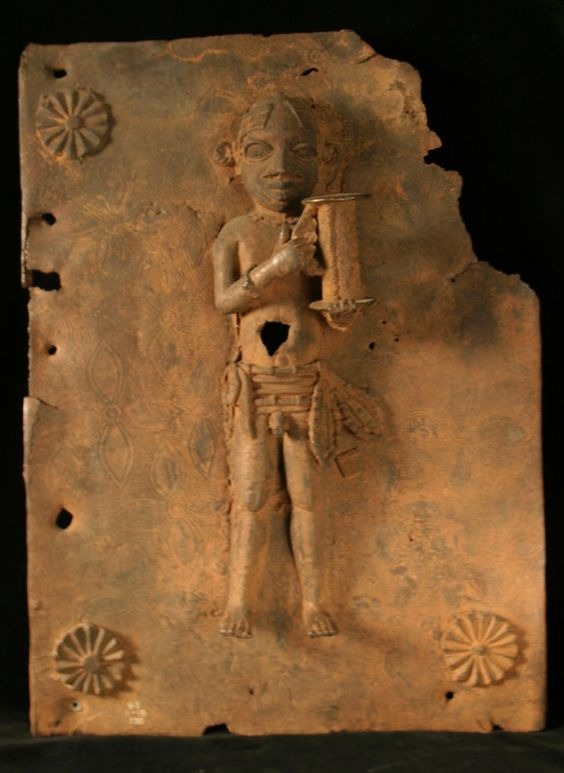
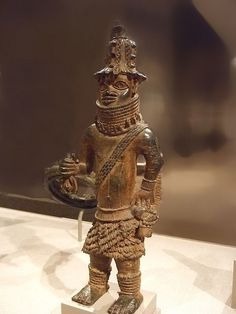 .IHIEKHU
In old Benin, at the end of the Edo lunar year, the citizens, especially those who have achieved noteworthy success and fame in all walks of human endeavour, openly display their symbols of achievements. And these include wives, children, retainers, slaves and other material possessions.
This public display of wealth and symbols of prosperity and success, which is more or less a thanksgiving, is referred by the Edo as Ihiekhu. The Ihiekhu ceremony has its roots in the Edo philosophy that the ability to prosper and live a successful life, especially the acquisition of wealth, status and fame, is determined by the strength o the hands.
The observation of Ihiekhu is honouring the force inherent in the hand.Unlike the Iguẹ or propitiation of the head, and Ehọ, the ‘feeding’ of the ancestral spirits, which are annual events that are universally performed by all Edo households, honouring of the hand is practised by a select group of individuals. And these are people who have achieved fame, success or wealth through their efforts. The Edo believe that these achievements are due to the strength and skills of their hands. This select group include the Benin king-emperor, the queen-mother, Uzama nobles, Enigie and high-ranking Ekhaemwen. Also included are reputable Ẹbo (sing. Ọbo), medicine men and Ohẹn, priests, heads of guilds traders, craftsmen and craftswomen, including all individuals who depend on physical strength or manual skill for their livelihood.
The shrine that is dedicated to honouring the vitality and capability of the hand is known as Aruobọ. And placed on this shrine is the ikẹgobọ, the object that symbolises the force inherent in the hand.
The ikẹgobọ was made exclusively by the Igbesanmwan, Royal guild of wood, bone and ivory carvers, however, those of the Benin king-emperor, Uzama nobles and Iyọba were cast in brass by Igun N' Ẹronmwon.
The propitiation of the Benin king-emperor's hands is the preserve of the Esasa or Ogbesasa guild, which is part of Ogbelaka Royal Society.The Ogbessa guild was tasked primarily with the production of the Benin armies battle shield or asa.The principal officials of Ogbesasa responsible for the thanksgiving of the Benin king-emperor's hands or Ugiobo (Ugie Obo) are the Esagbua, Ekoghae, Okaranghae, and Olukoton and Olukohi, the royal shield bearers. The Olukoton supports the Benin king-emperor's right arm while the Olukohi supports his left arm during the ceremony. Until the reign of Ọmọ N'Oba Ehengbuda, these two Ekhaemwen were the Benin king-emperor's shield bearers in the battlefield, with the Olukoton protecting the Benin king-emperor's right flank and the Olukohi protecting his left flank.
In old Benin, the guild had its quarters known as Irhuasa. The Nigerian Armed Forces Military Hospital in Benin City now occupies the site.
.IHIEKHU
In old Benin, at the end of the Edo lunar year, the citizens, especially those who have achieved noteworthy success and fame in all walks of human endeavour, openly display their symbols of achievements. And these include wives, children, retainers, slaves and other material possessions.
This public display of wealth and symbols of prosperity and success, which is more or less a thanksgiving, is referred by the Edo as Ihiekhu. The Ihiekhu ceremony has its roots in the Edo philosophy that the ability to prosper and live a successful life, especially the acquisition of wealth, status and fame, is determined by the strength o the hands.
The observation of Ihiekhu is honouring the force inherent in the hand.Unlike the Iguẹ or propitiation of the head, and Ehọ, the ‘feeding’ of the ancestral spirits, which are annual events that are universally performed by all Edo households, honouring of the hand is practised by a select group of individuals. And these are people who have achieved fame, success or wealth through their efforts. The Edo believe that these achievements are due to the strength and skills of their hands. This select group include the Benin king-emperor, the queen-mother, Uzama nobles, Enigie and high-ranking Ekhaemwen. Also included are reputable Ẹbo (sing. Ọbo), medicine men and Ohẹn, priests, heads of guilds traders, craftsmen and craftswomen, including all individuals who depend on physical strength or manual skill for their livelihood.
The shrine that is dedicated to honouring the vitality and capability of the hand is known as Aruobọ. And placed on this shrine is the ikẹgobọ, the object that symbolises the force inherent in the hand.
The ikẹgobọ was made exclusively by the Igbesanmwan, Royal guild of wood, bone and ivory carvers, however, those of the Benin king-emperor, Uzama nobles and Iyọba were cast in brass by Igun N' Ẹronmwon.
The propitiation of the Benin king-emperor's hands is the preserve of the Esasa or Ogbesasa guild, which is part of Ogbelaka Royal Society.The Ogbessa guild was tasked primarily with the production of the Benin armies battle shield or asa.The principal officials of Ogbesasa responsible for the thanksgiving of the Benin king-emperor's hands or Ugiobo (Ugie Obo) are the Esagbua, Ekoghae, Okaranghae, and Olukoton and Olukohi, the royal shield bearers. The Olukoton supports the Benin king-emperor's right arm while the Olukohi supports his left arm during the ceremony. Until the reign of Ọmọ N'Oba Ehengbuda, these two Ekhaemwen were the Benin king-emperor's shield bearers in the battlefield, with the Olukoton protecting the Benin king-emperor's right flank and the Olukohi protecting his left flank.
In old Benin, the guild had its quarters known as Irhuasa. The Nigerian Armed Forces Military Hospital in Benin City now occupies the site.
.Iwu – The Dying Traditional Body Markings of Edo People. What is Iwu in Edo Culture?
What is Iwu in Edo Culture? You might have come across some Edo folks with different kinds of markings on their stomachs, sides and backs, then wonder why they are there. These markings are known as Iwu in the culture of Edo people in southwestern Nigeria. Not until recently did the tradition of Iwu witness a great decline and the set of Edo people with Iwu markings are mostly presently over seventy years of age. The tradition survived until the 1940s: hardly will one see an Edo young man or woman with Iwu markings on his or her body in recent times. Marking, scarification and tattooing are not alien practices to the African culture; they have been used from time immemorial for identification, beautification, stratification and so on. Some draw their markings on the face, some on the legs but the Edo people went for the body and torso. A good example of facial marking or scarification is the ‘Ila’ of Yoruba people. Edo people accepted this art of facial identification marks, also known as tribal marks, until five centuries ago when they ditched the facial markings and created Iwu, the body and torso markings. Who can have Iwu in Edo land? Unlike the facial Ila of the Yoruba people which is acquired few months after birth, Iwu is to acquired during the transition from adolescent to adulthood. In short, Iwu signifies Adulthood. Edo men and women would usually have their Iwu done shortly before marriage. Although Nyandael and Burton stated in their accounts that the marking/tattooing took place during infancy and youth. Iwu also signifies citizenship because back then, slaves were not allowed to have Iwu markings in Edo land. Who Draws Iwu and How is it Drawn? The Iwu body or torso markings are drawn by the Osiwu, the traditional surgeon of the Edo society. Dierick Ruyters, the Dutch chronicler who sojourned in Benin City early in the seventeenth century wrote: Male Iwu Markings “[The Bini] cut their body from the armpits to about the groin, or in the middle, with three long cuts on both sides, each one finger broad, and consider this a great virtue conducive to their salvation” 1602, in Talbot 1926, vol. 2:399 The merchant David Nyandael later commented on the gender variation of the markings: “The females are more adorned with these ornaments than the males, and each at the pleasure of their parents. You may easily guess that this mangling of the bodies of these tender creatures may be very painful; but since it is the fashion here and is thought very ornamental, it is practiced by everybody” 1705, in Talbot, p. 399 Female Iwu Markings The Iwu body markings of the male consist of seven marks. The OBA and his children get only six of the marks. The body markings of the female consist of sixteen marks. The OBA’s female children get fifteen of these marks. However, people of ancient Edo land did not have Iwu markings until when an incident, according to history, brought about the markings and this drives us back to the history of Iwu. History of Iwu Markings The origin of Iwu markings rely on oral history passed from one generation to another. In one version collected by Ekhaguosa Aisien from Unionmwan Orokhorho (pers. com., 1985), a traditional surgeon, the tattoos originated during the reign of Oba Ehengbuda in the late sixteenth century. Ehengbuda married the daughter of the Yoruba ruler of Akure, but she refused to consummate the “Akure tribal marks.” The enraged Ehengbuda abused his wife, word of which reached the Alakure. When Ehengbuda visited Akure, his father-in-law attacked him with a cutlass, and Ehengbuda’s body thereafter bore the scars of this assault. So as not to embarrass their king, his subjects imitated them. Jacob Egharevba, however, offered a different account (1968:15): Iwu originated with Oba Ewuare (ca. 1440). Ewuare, distraught over the death of two of his sons on the same day, punished his subjects, who then fled the city in panic. To stem this exodus and ensure that deserting subjects could be easily identified, Ewuare ordered everyone tattooed. As aforementioned, it is hard to find an Edo indigene with Iwu markings these days due to the extinction of the practice since around 1940s. But, once it happened, it becomes history and history will never forget – Teslim Omipidan. This is the case for Iwu – body markings of the Edo people. References: EKHAGUOSA AISIEN; IWU – THE BODY MARKINGS OF THE EDO PEOPLE (Available on EBay) Paschal Ezehi; THE TRADITIONAL UPPER BODY SCARS AND TATOOS IN BENIN: Edo State Government Official Website Cite this article as: Teslim Opemipo Omipidan. (April 22, 2019). Iwu – The Dying Traditional Body Markings of Edo People. OldNaija. "The Spiritual Significance and Benefits Of Iwu is yet to be exposed to the world expercially when you are not 100% Edo person.just as you could easily be sold to strangers as slaves if you didn't have the Iwu is also the same way evil creatures can also snatched you before you locate your Ancestors after you depart from your body.the Iwu can also been seen as a spiritual pass that all beings recognize and respect thanks to the contributions of our Ancestors to the spiritual realm"
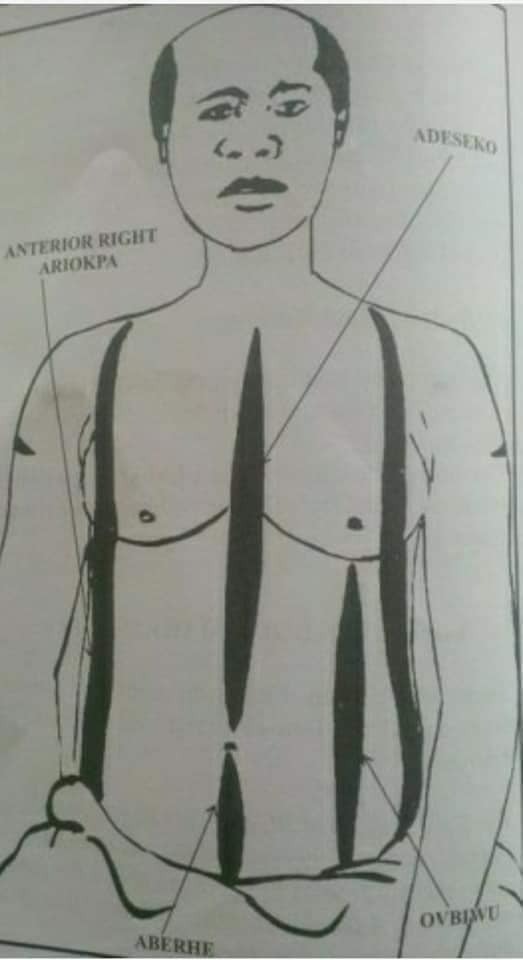
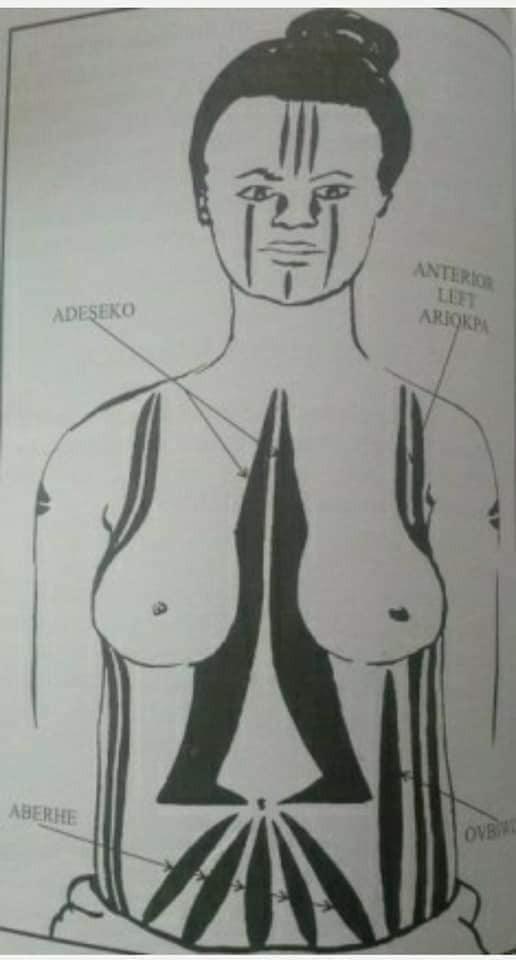
Our Works
. An audience with his Majesty Oba Ovonramwem Nogbaisi Interview notes Q: Thank you for having us today. Your Majesty how are you feeling? A: Very frail from my illness. Q: Your Majesty, it is exactly 17 years to the day today that the British put together a naval squadron of 1200 Royal marines to capture Your Majesty and burn down your city. We apologise for their cruelty but we would just like to get your views on what happened and on life for you after that punitive expedition. Q: The British claimed that they were acting in response to your soldiers eliminating a peaceful party they had sent to bring you presents at Christmas, what would you like to say in response to that? A: What is Christmas? My people had no idea about Christmas, we had our sacred ancestral ceremony during that period (the Igue Festival) and the British Party led by Lawyer Phillips knew that and was told to wait for just two days for me to complete my fasting but he said he was too big and too busy to wait for us to complete our ceremonies. He decided to invade our private ceremonies during my fasting and prayer period and when no one was allowed to talk to or disturb me; putting together a party of over 270 officials and soldiers , he set out to march on our city against all advice that this was an unwise move. My Chief of Army Staff saw this as a deliberate act of unprovoked war declaration and acted accordingly to defend our city. What would you have done if you had been in his position? News International 101: We are very sorry, Your Majesty. We will move on to another question. Q: The British reported that you were the last person to evacuate your city when it was being burnt to the ground; it must have been very painful for you to watch centuries of your ancestors’ hard work burnt to cinders. Why did you wait till the bitter end? A: You just imagine this, I had recently in the new year, blessed all my peoples’ households and prayed for their prosperity this year; then one month on, the city is burning and I flee with the people, how would that have made us look as Divine King of the people? My duty was to watch over their houses and the city until there was nothing left, my ancestors would have expected this of us. Q: The papers reported widely about the treasure trove in your storerooms, the British reported finding intricate bronze plaques, ivory and terracotta artwork ‘of the highest quality covered in the dust of age’. What was the idea behind this? A: We were renovating the palace and put these away for safe keeping. I must add that most of the works the British found there had been in the storerooms for centuries; my ancestors wanted to record and preserve their history in expensive and durable forms, it is one’s duty to uphold this desire.
.jpeg)
.Q: Your Majesty, you now live in Calabar, how have things been with you? A: Traumatic. Losing one’s place in the world is never easy. Having to cope with being a nobody after being a king in charge of a proud and industrious people and of a country is very humiliating but one has to do all one can to survive, even a once upon a time king like me. One lesson we made sure we taught our people was; ‘when the going gets tough, the tough must get going’; this mindset sets superior stock apart from ordinary stock and I am made of a superior stock, this trying period attests to this fact. Q: Has it been difficult adjusting to your new position? A: You have no idea just how difficult it has been. Some people deliberately scorn you with impunity for the sake of just being able to do so. Q: What one incident stands out for you? A: One day, one of my children was playing with other children, one of them deliberately head butted her, injuring her badly. She suffered a fractured jaw and eye inflammation and was in pain for months. When her mother complained to the local chiefs here, all they did was to ask that child to apologise whereas in my custom back home, the child’s parents would have been fined heavily for not having their child under control. It was painful for me as a father knowing that I cannot even protect my own family when others want to deliberately hurt or harm them. Q: What would you like to say to the British? A: I have this message for the British; congratulations, now that you have opened up your trade routes on our soil, but make no mistake about this; this is not the end of the Kingdom of Benin. Q: Your Majesty, thinking back about it all, is there anything that you would have done differently? A: NO. I was trained from an early age to defend my people’s interests and to safeguard our history. I performed that duty to the best of my ability even in the face of bribery with presents from British officials to abandon my people and to pursue my own riches. My ancestors would have turned in their graves if we had behaved any differently. Anyhow, history will be the judge of whether we should have done anything differently.
.jpg)
Q: Your Majesty, have you any final words? A: Yes, tell all peoples everywhere in the world, that whenever they come across a Benin artwork, they should look deeply at the composition and use the narrative it tells to pass on the history of a great Rain-forest Kingdom that existed on the West African Coast from 40BC till the British sacked it in 1897. The world should tell our story well. News International 101: Your Majesty, thank you for giving us so much of your time today. We hope you get better soon so you can leave the hospital and return home. End of interview. News International 101, received news the following day that his Majesty passed away in hospital; he never recovered from his illness and never returned home. At the time of his death, he was far away from his people and their traditions and so his traditional burial ceremonies could not be observed in full. His Majesty Ovonramwen Nogbaisi died on Wednesday 14th January 1914. Tuesday 14th January 2014, marks his 100 years death anniversary. His Majesty Oba Ovonramwen Nogbaisi was never informed that his captor and judge Ralph Moor who put him in chains and exiled him from his kingdom, on return to England after his African duties suffered insanity and committed suicide on September 14th 1909; 'The coroner's jury determined that "the poison was deliberately taken whilst temporarily insane after suffering acutely from insomnia", they had heard evidence that Moor had suffered for the last four years on his return from Africa with malarial and backwater fever that induced insomnia.' Source Wikipedia A spotlight on world history after that Six months after His Majesty, Oba Ovonramwen joined his ancestors. .
Celebrating Great Benin Culture and Tradition.
KADA
(1) Kada: This greeting is expecially directed to the Head of the home.But any other person,male or female is entitled to the greeting as long as they are older than the person offering the greeting and present it at the end of the meal. Kada is a prayer and an abrreviation of the phrase "KO DIARE",which is an abbreviation of the sentence "U KOO UWA,U GHI DIA RRIOEE.Which Translates to "You have created prosperity,may you live long to enjoy it. The man as the head of a househole provides food,shelter,security, among others,to other members of the home.This prayer is given by the male children of the household,that he may live long to enjoy the fruits of his labors.
.jpg)
BUKPE
.(2) BUKPE: This is a prayer by the daugthers of the household after meal,Like Kada.The full sentence and meaning of "BUKPE" is "U BOO UWA NE,U GHI KPE VBO."This is "You have created prosperity,may you live long to enjoy it."while male children greet "KADA".Female greet "BUKPE".
.jpg)
ERHEGHIGBUE
.(3) ERHE GHI GBUE This is a greeting of the wives of the household after meal.After a meal,the wives will have to pray to their husbands and for every other member of the house-hold who is older than they are.The full sentence and meaning is "ERHE GHI GBUE EMWIN NE U YA OBO RUE RU"This means "May you not fall victim to the plans of ill wishers who would not want you to enjoy the fruits of your labors". These Three greetings have the smae undertone,but are expressed differently.The one the comes out from the lips of the woman makes one to know immediately if she was a wife or a daughter of he house,no matter the a
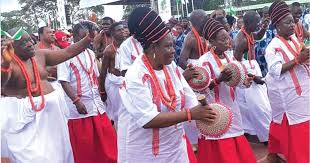
AREMIEGBE
.Response to the greetings "Aremiegbe" ---- May you be nourished by what you have eaten. I hoen koyo Urhuese----heard you,(Hello),thank you. I hoen Ovbimwen Akponmwen Osa ---I heard my child, To god be the Glory. I hoen otenmwen,Osa rhuese ra Akponmwen Oghodua--------I heard you brother/sister,we thank God. NOTE: "Erhe gi gbue" is more populare amongst the female folks in the modern times because the daughters of a household copy their mothers in this particular greeting.It is high time we effect and know the difference to separate the wives from the daughters.
.jpeg)
FACTS ABOUT PA IDU.
FACTS ABOUT PA IDU 1. Pa Idu was born at Ogbe N’Alaka a place that eventually became the homestead of later Ogiso’s and Oba’s of Benin. 2. Pa Idu father was known as Ere (not to be mistaken as Ogiso Ere) he was the founder of Uhunmwundumwun (premier town), a place hundreds of years later Ogiso Ere moved the palace to from Ugbekun. Pa Idu father Ere, is where the ancient word Otamere (evening tide favored Ere) was created from. 3. Pa Idu is generally accepted as the Progenitor of the Benin race and all its descendants because the chroniclers of our remembered history, Ughoron; popularize his name above other native indigenes of which Idu came out from. 4. Pa Idu had three sons: Akka, Efa and Emehi. Efa and Emehi are the fathers of the modern day Benin population, 5. Through legitimacy of ancient ownership the Efa and Emehi families are the owners of Edo land as every other families came from them. 6. Pa Idu died at Uhe(not to be mistaken as Ile-Ife) present day Igala areas of Kogi State and was referred to as Oghene N’Uhe by the earliest Benin natives, he was deified as a Priest King. The Chief priest and scepter bearer of the Oghene N’ Uhe shrine, Azama; followed Akka, Efa and Emehi back to Benin land and a replica of the shrine was built here in Benin land, the descendants of the Azama N’Uhe are the Oloton family of Benin and they are the custodian of the scepter of authority of Pa Idu carried by Azama and bequeathed to the descendants of Efa and Emehi. 7. Earliest Portuguese referred to Oghene N’Uhe(Pa Idu) as “Ogane” the great potentate of the interior. 8. All Ogisos starting from Ere to Oba Ewuare I all went on pilgrimage visit to pay respect to their progenitor at Uhe, a sort of confirmation and spiritual renewal ritual. A ritual also conducted by Ikaladerhan before he became a ruler in Ile-Ife. 9. When the later Oba’s of Benin discovered the complexity of the pilgrimage visit and the decline of the Uhe town they created “Erinmwidu” a replica of Oghene N’ Uhe Shrine and made it Royalty. Hence Erinmwidu is the royal deity of the Benin people. 10. Idusere, Idusogie, Idugbowa etc. reaffirm the Benin native ownership of Idu ideology hence Idu is Benin, Benin is Idu. Let the legacies of Pa Idu be remembered by us all his children. Pa Idu gha to kpere. Ise Oba gha to kpere. Ise Written by Imasuen Amowie Izoduwa book.
A Story
GREAT BENIN EMPIRE
.The Benin Kingdom was a flourishing ancient city situated in modern day Nigeria. During pre colonial era, Benin was one of the many highly developed cultures in Africa. This kingdom got its start up around 900 CE when Edo people settled in the tropical rainforest of West Africa. The walls of Benin City and its surrounding kingdom was the world’s largest earthworks carried out prior to the mechanical era, and was featured in the Genius Book Of Word Record. Benin City was also one of the first cities to have a semblance of street lighting. Huge metal làmps, many feet high, were built and placed around the city, especially near the king’s palace. Fuelled by palm oil, their bùrning wicks were lit at night to provide illumination for traffic to and from the palace. When the Portuguese first visited the city in 1485, they were stunned to find this vast kingdom made of hundreds of interlocked cities and villages, calling it "Great city of Benin".
Features of Edo translations ENGLISH - EDO
33. Husband and Wife - Ọdọ vbe Amwẹ 34. Deep Respect - ọghọ vbe ute
41. Somedays/ few days - ikpẹdẹ eso
42. Stop and think - Muẹn roro
43. Think about it - Roro ghee
44. Young girl - Ovbialeke/ Ọvbokhan okhuo
45. Young boy - Adesusu/ Ọvbokhan okpia
46. Verbal attacks - Ẹmwẹ ekpọ
47. Social isolation - A zẹ ọmwa hin usun rre
48. Cyber bully - Eni ọmwa na mu rria vbe intanẹt
49. Innocent/ neutral - idiaghe
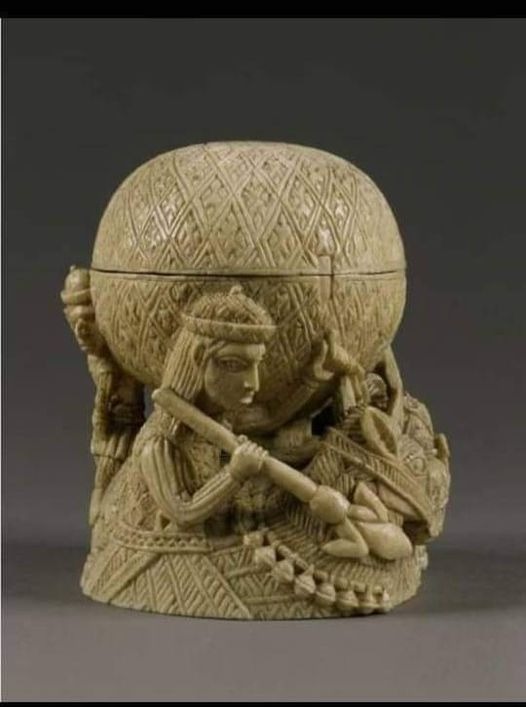
56. Mate - ihua 57. Decide/ make a decision - Zẹ emwi ru
58. The wise ones - Avbe umẹwaẹn
59. Pressuring me - Kpikpi Mwẹ
61. Distrust - Ai gba ẹKo egbe
63. The bottom line is - Ẹmwata nọ rrọọ ọre wẹẹ 64. Quality - Akpa
65. Destruction - Ọfuan/ Orriọkho
67. New Testaments - ile nọgbọn
68. Old Testament - ile nedẹdẹ
74. Body shape/ Appearance - Ukhuegbe
.jpeg)
76. Complexion - Ẹmu ọghe egbe
79. Sexual immorality - Alama oghẹ
85. Revilers - Iran ni ta ẹrrẹe ọtaKhọ
86. Drug abuse - ikpẹ ukhunmwu na loo ghee ihan
87. Drunkenness - Ayọn na da gbe egbe 88. Stealing - Oyi
92. Wickedness - Uyinmwẹ atosi
93. Child abuse - Amu ibiẹka yagha
94. Repugnant/ Disgusting - sọnnọ
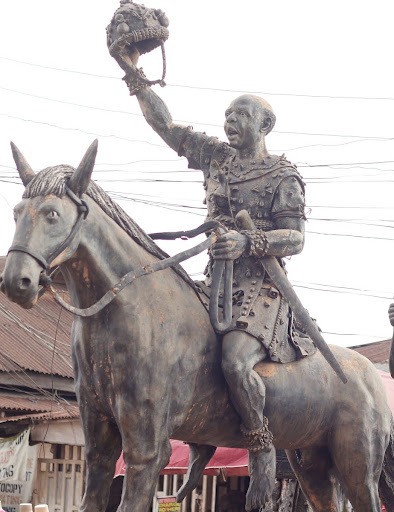


D.
Dave Anderson
.GREAT BENIN EMPIRE The Benin Kingdom
GREAT BENIN EMPIRE The Benin Kingdom was a flourishing ancient city situated in modern day Nigeria. During pre colonial era, Benin was one of the many highly developed cultures in Africa. This kingdom got its start up around 900 CE when Edo people settled in the tropical rainforest of West Africa. The walls of Benin City and its surrounding kingdom was the world’s largest earthworks carried out prior to the mechanical era, and was featured in the Genius Book Of Word Record. Benin City was also one of the first cities to have a semblance of street lighting. Huge metal làmps, many feet high, were built and placed around the city, especially near the king’s palace. Fuelled by palm oil, their bùrning wicks were lit at night to provide illumination for traffic to and from the palace. When the Portuguese first visited the city in 1485, they were stunned to find this vast kingdom made of hundreds of interlocked cities and villages, calling it "Great city of Benin".
.SOME TABOOS EDO
SOME TABOOS EDO WOMEN MUST OBSERVE FORBIDDEN (TABOO) THINGS FOR EDO MARRIED WOMEN. 1. A married woman from Edo extraction neither allows another man apart from her husband to lap her she isn't permitted to lap another man either. She doesn't board a bike with another man, sitting in front or behind another man. 2. A married Edo woman does not eat in the same plate with other men. She does not allow another man to walk across her legs streched on the floor. 3. An Edo married woman does not sit opposite another man on a bench to play games like 𝘌𝘬𝘰̀, 𝘭𝘶𝘥𝘰, 𝘈́𝘱𝘦𝘯𝘦 𝘰𝘳 𝘤𝘢𝘳𝘥𝘴. 4. Nothing on earth should make an Edo married woman to sleep on the same bed with another man, other than the husband (big taboo). 5. It is an offence for another man to hold an Edo married woman on the wrist, touch her breasts, tap her buttocks or hold her waist. 6. Taking money without permission from where the husband kept money is an offence. 7. Attending parties without her husband's knowledge is an offence. 8. To embrace, caress, peck on the cheeks or kissed by another man other than her husband are all offences. 9. Collecting money from her ex lover without the knowledge of her husband is a grave offence. 10. Edo wife must not insult her husband's head, or lay curses on him. 11. Edo wife must not insult her husband's relatives 12. An Edo wife cannot cook in the morning without first cleaning the kitchen of yesterday's rubbish 13. An Edo wife cannot receive money gift from another man without the knowledge of her husband and use that money to cook for her husband. 14. An Edo wife cannot curse her husband with her private part. 15. An Edo wife cannot have sex with a man that is not her husband 16. It is a taboo for an Edo woman to be monitoring the husband with regard to having concubines 17. If you are a new wife,you must respect the older wife/ves as if they are your senior prefects in a secondary school as they have the same power over you. .Edo Culture : If an Edo woman from the Esan extract commits adultery, she will first loose her children and her life as repercussion for the abominable act. Unless she confesses and as restitution, she is str|ped completely naked, a part of her head is shaved, armpit and part of her private part is also shaved, Both of her hands are tied behind her, while a basket full of trash is placed on her head. She is then paraded around the community by other women. An Edo married woman cannot sleep on the same bed with another man, other than her husband. It is an offence for another man to hold Edo married woman on her wrist, touch her breast, tap her buttocks or hold her waist. As a married woman from Edo extraction, taking money from where her husband kept it without his permission is a taboo. An Edo wife must not insult her husband’s head or insult his relatives at any provocation. It is offensive. An Edo wife from the Owan extract shouldn’t cook for her husband without a necklace or black thread around her neck. It is forbidden for an Edo woman to sit opposite another man on a bench to play ludo, cards or other local games. Some of these Taboos are no longer in practice. a galley of type and scrambled it.
Become a Member
Join our organization and be a part of something bigger.
Personal Information:
Membership Information:
Interests and Involvement:
Payment Information:
Additional Information:
By submitting this form, you agree to our Terms and Conditions and Privacy Policy.
Become a Member
Join our organization and be a part of something bigger.
Personal Information:
Membership Information:
Interests and Involvement:
Payment Information:
Additional Information:
By submitting this form, you agree to our Terms and Conditions and Privacy Policy.
The oba of Benin stands as a shining example of divine rulership and unwavering dedication to his kingdom and its people. For centuries, the Benin Kingdom
Today, we gather to pay tribute to a revered leader, a guardian of tradition and culture, a beacon of hope for his people. The oba of Benin stands as a shining example of divine rulership and unwavering dedication to his kingdom and its people. For centuries, the Benin Kingdom has been known for its rich history, vibrant art and strong cultural traditions. At the heart this kingdom stands the Oba, a figure of immense power and authority. The Oba is not just a king, but a spiritual leader, a custodian of ancient wisdom, and a symbol of unity for his people. The Oba's influence goes beyond the borders of the kingdom, reaching into the hearts and minds of all who have been touched by his wisdom and grace. Through his leadership, the Oba has guided his people through times of peace and times of strife, always putting the well-being of his kingdom above all else. I have heard countless stories of individuals whose lives have been transformed by the Oba's teachings and guidance. His words are like a balm for the soul, offering comfort and strength in times of need. His presence is felt in every corner of the kingdom, a constant reminder of the enduring power of tradition and heritage. As we reflect on the legacy of the Oba of Benin, we must express our deepest gratitude for his stewardship and unwavering commitment to his people. He has been a pillar of strength in times of uncertainty, a source of inspiration for all who seek guidance and wisdom. In a world filled with turmoil and division, the Oba stands as a symbol of hope and unity, a testament to the power of leadership rooted in love and compassion. His reign has been a shining light in the darkness, a reminder of the beauty and resilience of the Benin Kingdom. So let us bow our heads in reverence and admiration for the Oba of Benin, a true leader in every sense of the word. May his legacy endure for generations to come, a testament to the enduring power of tradition, culture, and love.
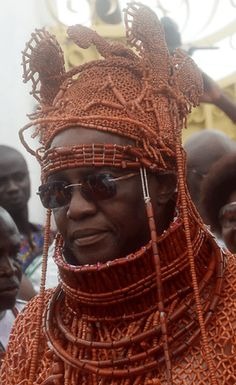
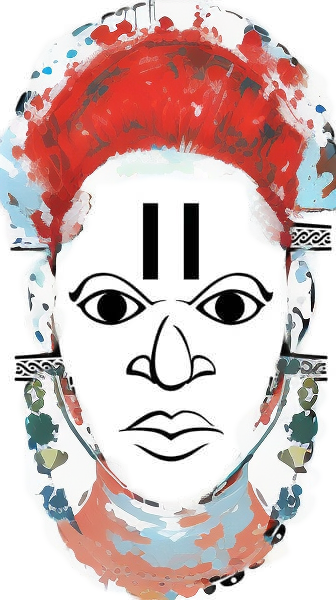
More than words
08
August
NUMERALS IN OWAN DIALECT(Emai) 1- Okpa ( also ao) 2- Eva 3- Ea 4- Eele 5- Ihien 6- Ehan 7- Ihion 8- Eën 9- Isin 10- Igbe 11- Igbeoo 12- Igbeva 13- Igbeeã 14- Igbeele 15- Igbeihien 16- Igbeehan 17- Igbeihion 18- Igbeen 19- Igbeisin 20- Uue 21- Uee bi Okpa 22- Uue bi Eva 23- Uee bi Ea 24- Uee bi Eele 25- Uee bi Ihien 26- Uue bi Ehan 27- Uee bi Ihion 28- Uee bi Eèn 29- Uee bi Isin 30- Ogban 31- Ogba bi Okpa 32- Ogba bi Eva 33- Ogban bi Ea 34- Ogban bi Eele 35- Ogban bi Ihien 36- Ogban bi Ehan 37- Ogban bi Ihion 38- Ogban bi Eēn 39- Ogban bi Isin 40- Egboeva
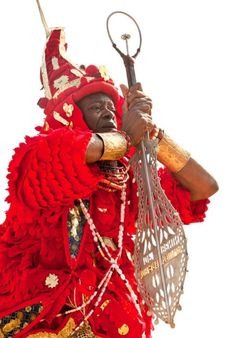
More than words
NUMERALS IN OWAN DIALECT
1- Okpa ( also ao)
2- Eva
3- Ea
4- Eele
5- Ihien
6- Ehan
7- Ihion
8- Eën
9- Isin
10- Igbe
11- Igbeoo
12- Igbeva
13- Igbeeã
14- Igbeele
15- Igbeihien
16- Igbeehan
17- Igbeihion
18- Igbeen
19- Igbeisin
20- Uue
21- Uee bi Okpa
22- Uue bi Eva
23- Uee bi Ea
24- Uee bi Eele
25- Uee bi Ihien
26- Uue bi Ehan
27- Uee bi Ihion
28- Uee bi Eèn
29- Uee bi Isin
30- Ogban
31- Ogba bi Okpa
32- Ogba bi Eva
33- Ogban bi Ea
34- Ogban bi Eele
35- Ogban bi Ihien
36- Ogban bi Ehan
37- Ogban bi Ihion
38- Ogban bi Eēn
39- Ogban bi Isin
40- Egboeva
.TRADITIONAL BURIAL IN GREAT BENIN KINGDOM.
.Burial rites take seven (7) days for the ordinary people and fourteen (14) days for the king or for important chiefs. Just after death, the body is washed and laid on the bed inside the house. While the corpse is being prepared, the grave is dug. Ordinary persons are buried in the general cemetery, and the corpse is escorted there by the children. As the body is lowered in the grave, prayers to the effect that in the next incarnation the deceased may not meet the misfortunes that troubled him in the last are said. In chronological fashion: 1st day:- IWA ORHIMWIN - “laying out of the corpse and embalmment”.2nd day:- The male descendants and son-in-law of the deceased offer goats and foods to provide meal for the participants at the burial. Burial songs are sang throughout the nights till morning.
3rd day:- IZAKHUE – Eldest son of the decease slaughters a cow or goat to appease the Edion (departed elders) spirit of the family and the meat is consumed.
4th day:- The fourth day is used in preparation for the next day event, which is elaborate and time consuming.
5th day:- ISOTON – This is a procession of the deceased children through the town. Each grown up male son organizes it. In this procession, Okun (a box), decorated with a red cloth and brass ornaments which represents the prosperity of the deceased. If the procession is in Benin City, each group visits the statue of Emotan (a woman that lived in the fifteen Century honored by King Ewuare for her generosity) to pay respect. The gifts offered at this statue are collected by Akairo-mwon (the royal jester), who is the caretaker. 6th day:- OKPOVBIE (wake keeping) takes place on the evening of the
6th day. During this evening, the children of the deceased entertain all the attendants. A person is usually chosen by divination and dressed up in fine clothes to represent the deceased. He is known as “Eno-derhayi” or the “deceased representative”. According to belief, on noaccount should he sleep during the night. If he does, it is believed that he will dream of the deceased and he will shortly die. People gather around him to keep him occupied till dawn.
7th day:- ISUERHAN FUA “Casting away” - At dawn, the decease representative lead the procession to a nearby bush, where a framework of stick covered with cloth is erected. The decease representative pretends to sit on these, and then the other mourners do likewise. Finally, the structure collapses and its components are thrown away. A few hours later, Ukhure “staffs representing the deceased” is placed upright on the altars of the deceased. A goat is then slaughtered for the offering.
ESAN: ẸSAN FIA, ẸSAN FUA, ẸSAN KPAO WAS ADVICE TO REMAIN Dr. Paul Osa Igbineweka
.ESAN: ẸSAN FIA, ẸSAN The narrative that Esan was used as derogatory to have meant Esan san fia ẹkẹwẹ (Esan jumped into the bush) was never part of the original intention. The original intention was to encourage togetherness and not to be separated from each other. The narrative of Esan jumped into the bush was presently presented poorly in one post on Facebook, because Benin is not the language, but Ẹdo-Idu, the same language that had been before Benin was derived from Ubini. When modern historians trying to narrate Benin history as if Igodomigodo started with Benin or as If Esan is older than Benin origin it baffles me. Because the generations of Pa Idu as progenitor of so many tribes in the Southern areas had those who remained in the city of Igodomigodo, who were of the Aka, Efa and Emehi, but the Aka had most migration to form the Akkarai kingdoms through Kogi axis and Eastern sides of the Igodomigodo. Those that remained mostly were the descendants of Efa and Emehi, from where the name changed to Benin from Ubini by Oba Ẹwẹdọ, and not the Ibinu of Oranmiyan. Whoever is tracing Benin history from Oranmiyan to assume that Esan or others were older in inhabiting the ancient city of Igodomigodo are in error. Benin people never migrated from Ife as some erroneously portrayed in their historical narrative. But a return of one of their own in exile as a prince. When Benin expanded as empire the Esan people were part of the Bight of Benin and empire. Those who do not align with the history are those of the north, East and West that mixed up with the Esan people by migration. The name Esan has been used derogatory as "Esan nọ san fian ẹkẹwẹ", whereas, from the beginning the name Esan was to advise not to leave, as ghẹsan fua (Don't jump away let's be together), these occurred during the ancient Ogiso era not the time of modern Esan or Benin. The Enije or Onoje in Esan land had royal links with the Oba of Benin. One of the Iyasẹ of Benin Kingdom who was detailed to wage war against northern invasion to grabbing lands and frontiers after the River Niger became the Okaijesan of Irrua. "Ẹsan" For short was to say don't leave. Just like what was obtained in Eko (Lagos) the first Eleko was Aisikpa (don't move from your base). Therefore, "Ẹsan" became abused when used derogatory. No matter how the post is presented, the word Esan still stand for "do not jump or leave". But eventually in the ancient Days they however left from the centre of the city of Igodomigodo, and the advice Ẹsan got stuck as name. There is no way to translate "Esan" from the meaning either for real advice of togetherness or to depart, it is still Ẹsan. The Ika people still calling Benin people "Oyin'Idu" knowing that Benin people were offshoot of Idu ancestry. Urhobo call Benin "Aka" as related to one of the sons of Pa Idu progenitor lineage, as related to the time Urhobo parted during the time of Aka as the name in vogue during their time. But Itsekiri still calling Benin "Ubini" as the existing name during their time, but the people of Benin themselves also knew themselves to be of either Aka, Efa and Emehi and they reverence Ẹrinmwidu as some closely related Esan people do, except for the mixed multitudes in Esan that migrated from other places into Esanland.
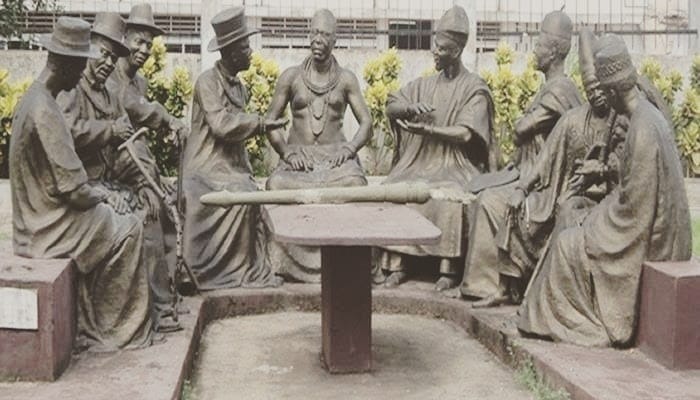
BENINS, are kind people also very POLITE. Nyendael's describing the Typical Trait of an Edo Man when he visited in 1701 The character of the Benin people has been described
.jpeg)
.BENINS, are kind people also very POLITE. Nyendael's describing the Typical Trait of an Edo Man when he visited in 1701 The character of the Benin people has been described by Dutch traveler David van Nyendael, who visited Benin in 1699 wrote an account of the kingdom of Benin. Nyendael's description was published in 1704 by Willem Bossman another Dutch officer of the West Indian company but spent his time in the Gold Coast. In his description, Nyendael states the following about the character of the Benin people: “The inhabitants of the Benin are in general a kind and polite people, of whom one with kindness might get everything he desires. Whatever might be offered to them out of politeness, will always be doubled in return. However, they want their politeness to be returned with likewise courtesy as well, without the appearance of any disappointment or rudeness, and rightly so. To be sure, trying to take anything from them with force or violence, would be as if one tries to reach out to the Moon and will never be left unreckoned. When it comes to trade, they are very strict and will not suffer the slightest infringement of their customs, not even a iota can be changed. Though, when one is willing to accept these customs, they are very easy-going and will cooperate in every way possible to reach an agreement”.
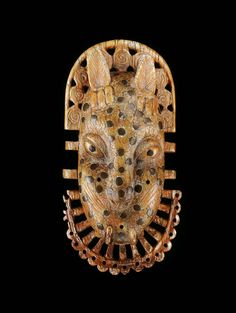
.jpg)
. OBA OVONRAMWEN NOGBAISIMake bold moves
Make bold moves wPrince Idugbowa was the eldest son of Oba Adolo and his mother was called queen Iheya. During his coronation he took the name Oba ovonramwen Nogbaisi in 1888. He was tall, charismatic, very bold and possessed a his majestic voice. He was blessed with children: Princes: Aiguobasimwin , Usuanlele, Ehigie and Uvbi princesses: Evbakhavbokun, Omono, Orimwiame. BELOW ARE SOME NOTABLE EVENTS THAT OCCURRED DURING HIS REIGN After his installation on the throne, he had some chiefs k!lled for opposing his ascension. They included chiefs Eribo, Obazele, Osia and Obaraye. At the early stage of his reign, the Europeans visited Benin-city. Among them were Blessby, Bey and Farquahar. That same year the Odundun, the Deji, Udezi of Akure acquired swords for himself without the consent of the Oba Of Benin. And when the Oba learnt of this in early 1889, he then sent Okpele to take the swords from Deji. After much threat, Deji surrendered the swords to Okpele and he then took them to Beni-city. Odundun sent a lot of presents to the Oba, but the Oba refused to accept his presents. That same year, 1890 the Oba gave his daughter, princess Evbakhavbokun’s hand in marriage to Ologboshere. Early 1890, the Oracle of Oghene of Uhe warned Oba Ovonramwen to be cautious that he perceived calamity was going to befall the city. May 1891, during the royal coral beads ceremony, a human sacrifice was offered to the gods. His name was Thompson Oyibodudu. During his execution he shouted saying ‘the white men that are greater than us are coming shortly to fight and conquer you and I, but do it quickly’. True to his words, the prophecy manifested in 1897. In 1892, chief Nana of Benin River, stopped all trade between the Benin and the Itsekiri’s and he also prohibited the supply of cooking salt. After a while the issue was resolved and trade commenced. Chief Nana continued to pay homage to the Oba. By early 1896, the Oba stopped trading with the Itsekiris because he felt the Binis were being cheated. After several negotiations, the Oba requested for twenty thousand iron sheets from their chiefs before he would lift the ban on trading. He had gotten some Iron sheets and brass from Mr Cyril Punch and other Europeans in 1891/1892 which he had used in roofing the palace halfway but he needed more to complete it, hence his request from the Itsekiri chiefs. In 1895, the Onogie of Ekpoma, in Esanland, died and the people rebelled because they felt the Oba had ignored them and they needed a new leader. So, Oba Ovonramwen sent messengers there, commanding them to install the eldest son of the late Onogie. That same year, the Oba built a war camp at Obadan village. He recruited ten thousand men to be trained, so they could be used in Agbor and other campaigns which he proposed to undertake. THE BENIN MASSACRE AND THE EXPEDITION OF 1897 The Benin massacre and expedition of 1897 were two disastrous events that left the kingdom of Benin ransacked, devastated and deprived of valuable artifacts, artworks, sons, daughters and a great king. The Benin massacre was the tragic incident that led to the Benin Expedition of 1897 It is worthy of note that Benin kingdom had existed from time immemorial and had thrived extensively as one of the most prosperous and mightiest kingdoms in West Africa. Benin kingdom traded slaves, ivory, pepper and palm oil with the Portuguese as early as 1485 and at the peak of its power, Benin influenced places as far as Akure, Owo and Eko which was under its rule in the western part of modern-day Nigeria. In 1853, the British made contact with the Binis to trade pepper, palm oil, clothes and ivory. Due to its economic and military power, Benin independently ran its trading activities in its region and was not subjected to orders from any other kingdom or empire, even Britain. The British found this displeasing and inimical to their lifetime mission which was to annex Benin into the British Empire and depose the king, Oba Ovoramwen Nogbaisi, if necessary. In 1892, Henry Gallway, a British Vice-Consul, visited Benin with the intention of annexing the kingdom through a treaty. He presented the so called treaty of “trade and friendship” to the Oba who was skeptical about it and Britain as well. Oba Ovonramwen however signed the treaty agreeing to stop slavery and human sacrifice in Benin. But later, when Oba Ovonramwen realized that the treaty was nothing but a tactic to annex Benin into the British Empire, he forbade his people to trade with the British and barred the white men from entering Benin. The British saw this as a violation of the 1892 treaty and thus bent on punishing the Oba. Another action of Oba Ovonramwen that fueled the British urge to punish him, was the stoppage of palm oil supply to Itsekiri middle men in 1896 because they refused to pay their tribute to the Oba. The stoppage of palm oil supply to Itsekiri middle men negatively affected trading activities in the Benin river region. The British merchants in the region found Ovonramwen’s action deadly to their business and therefore persuaded the British authorities to depose and exile him, then annex the kingdom of Benin. In November 1896, Acting Consul-General James Robert Philips sent a request to the British authorities in London for permission to invade Benin and depose Oba Ovonramwen. Without waiting for approval, Philips sent a message to Oba Ovonramwen that he wanted to pay him a friendly visit and discuss peace and trade. Unknown to Philips, some Itsekiri chiefs had warned Oba Ovonramwen of Philips’ intention to visit Benin. The Oba quickly summoned his chiefs and tabled the matter before them. All the while, Consul Philips had set out for Benin with his “friendly troops” that consisted of two trading agents, two Niger coast protectorate officers, a medical officer and 250 African soldiers in the guise of porters. The Iyase (commander-in-chief of Benin army) argued that Philips was coming to raze Benin to ashes, so he should not be allowed to enter the kingdom. Oba Ovonramwen suggested that Philips should be granted entry first, but the Iyase ignored the King’s suggestion and ordered Ologbosere (a senior commander and the king’s son-in-law) to lead a handful of armed men to dislodge Philips and his so called friendly forces at Ughoton. On the 4th of January, 1897, the Benin forces caught Philips and his men unprepared in a forest in Ugbine village near Ughoton. They persuaded Philips not to further his journey to Benin because of the ongoing Igue festival which does not allow the king to welcome any visitor. Philips gave deaf ears to the warnings and in the scuffle, he was killed alongside his troops. Only two British survived the attack which was later termed “The Benin Massacre”. On hearing the news of Philips’ death, the British authorities decided to punish Benin and thus, on the 12th of July, 1897, Rear-Admiral Harry Rawson (the commander-in-chief at Cape Town) was appointed to lead the invasion of Benin kingdom and capture Oba Ovonramwen. The operation was christened “Benin Punitive Expedition” and known in Nigerian history as “Benin expedition of 1897” or “Benin Invasion of 1897“. The bombardment of Benin began on the 9th of February, 1897. Benin forces tried to repel the attack but their weapons which mainly consisted of machetes, spears and arrows were no match for the British sophisticated rifles and cannons. All houses in the kingdom were touched, the people were k!lled irrespective of their gender, age and status. An order was given to hang Oba Ovonramwen whenever and wherever he was found. British troops were about 1,200, heavily armed, and mostly Africans. And interestingly, the African fraction of the British troops did most part of the fighting, while the British soldiers sat behind machine guns and canons. Shortly after ravaging the kingdom, Oba Ovonramwen was captured by British Consul-general Ralph Moor and casted before the British law. Oba Ovonramwen Nogbaisi (also called Overami) was tried and found guilty. He was then deposed and with two of his wives, exiled to Calabar where he died in January 1914. After Ovonramwen died in Calabar, his son, Aiguobasinwin was enthroned as the Oba of Benin on 24th of July 1914, taking the name Eweka II after the 13th-century founder of the dynasty, Eweka 1. After Benin was successfully laid in ruins, the British troops looted the kingdom and carted away its precious artifacts and artworks which included the famous ‘Queen Idia head‘ statue which was used as the symbol of the FESTAC’77. The booties were auctioned off to defray the cost of the expedition. As Philips had stated earlier when requesting for permission to invade Benin. He wrote, “I would add that I have reason to hope that sufficient ivory would be found in the King’s house to pay the expenses incurred in removing the king from his stool". The 1897 Benin expedition had serious negative effects on the kingdom. Benin was plunged into a period of economic, political, military and cultural setback. There has been recent moves to recollect Benin looted artifacts and artworks from museums which they were sold to. A cockerel statue which was stolen from Benin during the expedition was returned after a protest by students demanding the school authority holding the statue to return it to its rightful place. Also a movie titled ‘Invasion 1897’ based on the Benin invasion and expedition was produced by Nollywood veteran, Lancelot Oduwa Imasuen. One of the survivors of the Benin Massacre, Captain Alan Boisragon, also wrote a publication on the incident. REFERENCES: * Akenzua, Edun (2000). “The Case of Benin * Sir Ralph Moore to Foreign Office. Reporting on the abortive Expedition into Benin. 1895 Sept.12 Catalogue of the Correspondence and Papers of the Niger Coast Protectorate-National Archives of Nigeria.
Our Works
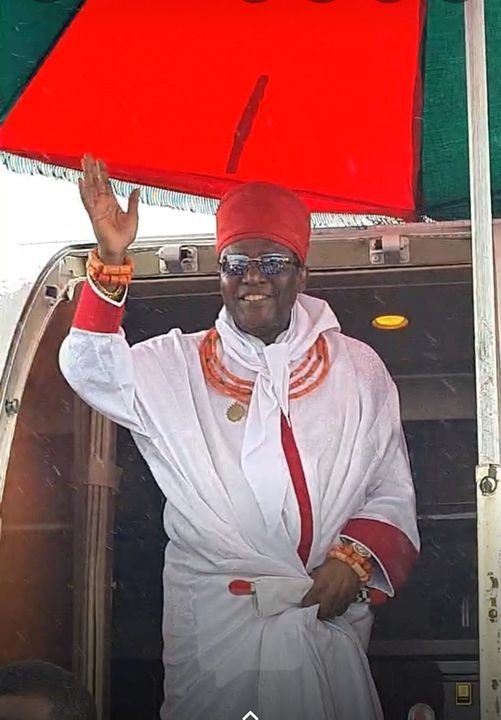
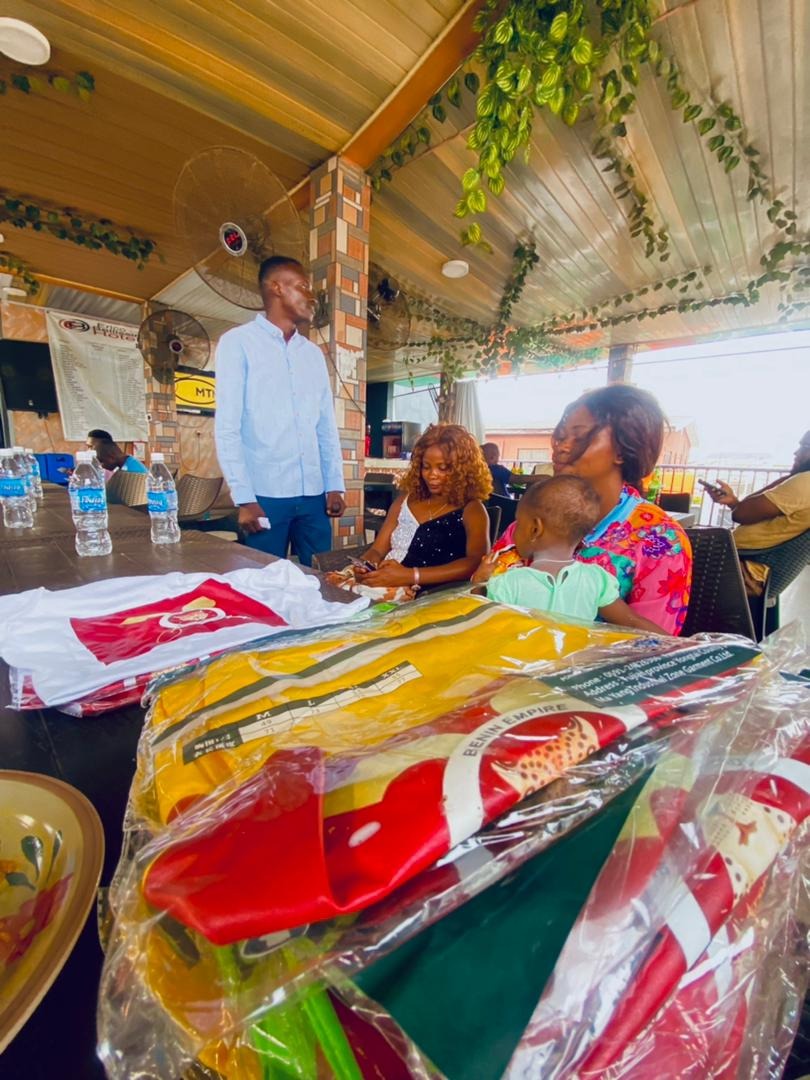
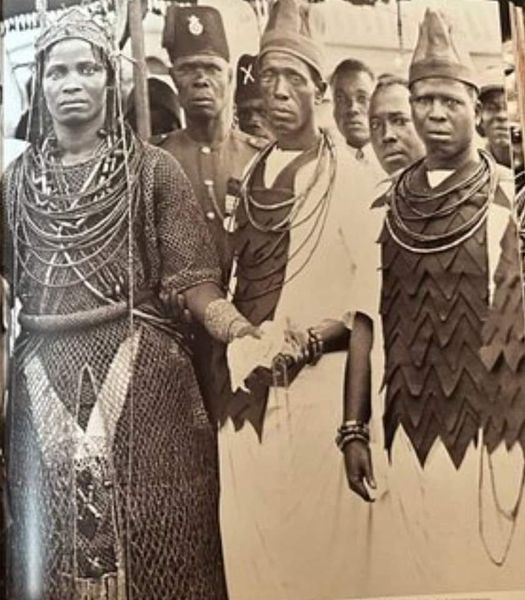
.
.FOR GREAT BENIN NATION CULTURAL AND NATIONAL RENAISSANCE
By Uwagboe Ogieva The most courageous act is still to think for yourself, find yourself, love yourself, live by yourself and for yourself. Life is not a bed of roses, No more free meal in freetown. Everything evolves when one finally learns that one deserve so much better with a change of mind and attitude. Human existence depends on their collective and co-relative survival as a nation. A nation is a stable community of people formed on the basis of a common language, territory, history, ethnicity, or psychological make-up manifested in a common culture. A large group of people having a common origin, language, and tradition. It could also be overtly political than an ethnic group for ethnic groups. The Great Benin Nation of west Africa is one surviving precolonial Africa nation with its uniqueness, culture, language, history and geographical identity, situated in the Bight of Benin of the Atlantic occean touching longitude of the equator through southern Nigeria. Capital: Benin city in present day Edo state. Aborigens of Great Benin Nation originally called Igodomigodo are EDOs, which over years have expanded to many clans, dialects, regions and territories in southern Nigeria. The Great Benin Nation monarchy institutions, The Benin Kingdom is over 2050 years of rulership and kingships starting about 40 BC from Idu family, Edion, Ogisos to today Obaship (…Naiwu Osahon). The Edo people are well know for their cultural and traditional influence in Nigeria. The Benin bronze, Benin moat, walls, family morning salutations, traditional ceremonies, spirituality, agriculture, scientific creative arts, ancient architectural designs, pictographs, mariage institutions, language and city planning are among many characters that defines its uniqueness. Great Benin Nation was an independent country before Nigeria was created that still have parallel traditional government in Nigeria that directly relate to wellbeing of his people. The Great Benin sovereign was never ceded. Despite long years of cultural, religious and political imposition of indepedent Nigeria by colonial Government, Edo people still maintain their cultural and traditional institutions. Great Benin Nation is today inside Nigeria that need own actualization and development. Nigeria must give room for a total restructure of the country to regional authonomy for many civilization on her territory to grow and survive the test of time. Great Benin nation among others must be given her authonomic region to fulfil herself. There is need for Edo national reorientation and nationalism. “A race of people is like an individual man; until it uses its own talent, takes pride in its own history, expresses its own culture, affirms its own selfhood (Nation), it can never fulfill itself” - Malcolm X. Edo people must protect their history, culture, territories, language, creative art of bronze, moral lectures to keep Great Benin uniqueness a float. There is need for national orientation and consciouness, building of Edo national institutions, restructure educational curriculums to reflect and educate youths and children on all characters for posterity sake. There should be freedom to grow, explore, develop and invent to make life and human co-existence more valuable and happy living. There should be respect for human rights, civil rights and national priviledge to peaceful and progressive development. A free society is a society where it is safe to be unpopular, to grow, associate and relate. Freedom is nothing but a chance to be better. Freedom is eternal peace to those that have, understand and protect it. The great revolution in the history of man, past, present and future, is the revolution of those determined to be free. True freedom only way to achieve maximum potentials. *Uwagboe Ogieva is an author, freelance writer, Licensed and certified IT Professional.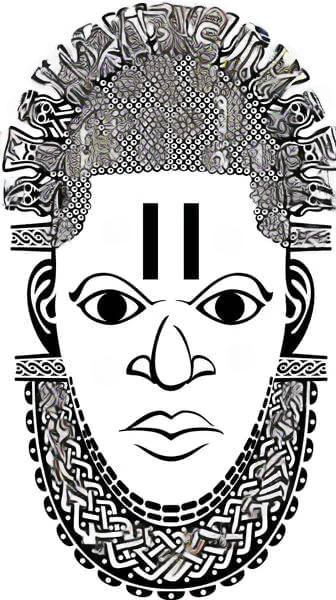
THE ADA & ẸBẸN (SWORDS OF AUTHORITY) WERE INTRODUCED BY OGISO Ere (16-66 CE). OTHER INVENTIONS OF OGISO ERE WERE:
.OTHER INVENTIONS OF OGISO ERE WERE
: 1) Royal Throne:
ẸKETE 2) Chief's Rectangular Stool: AGBA 3) Round Leather Fan: ẸZUZU
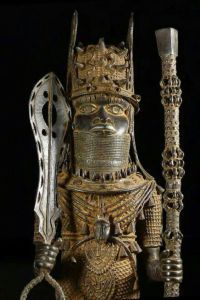
L.7) Simple Undecorated Crown: ẸDẸ
8 Wooden Plates & Bowls: ỌKPAN & UYẸNGBE
9) Mortals and Pestles: ODO & OVBIODO 1
.10) Wooden Temple Burst: AYERE NIKAO All these existed in the Ogiso dynasty long before the Ekaladerhan became Ododua N'Uhẹ and the Ọba dynasty
.jpg)
.THE ADA & ẸBẸN (SWORDS OF AUTHORITY) WERE INTRODUCED BY OGISO Ere (16-66 CE). OTHER INVENTIONS OF OGISO ERE WERE:
.The Ada and Ẹbẹn were made of bronze. But bronze was not in vogue at the earlier stage for artefacts, but bronze had been in vogue for domestic utensils. The Wooden burst gave rise to the bronze burst during the Oba era. Bronze at that time were used as molten weapons to kill big animals and not for artefacts. For example, the molten weapon was what Evian used to kill the devouring dinosaur (Osogan) at Amufi, that earned Evian general of the army, which eventually placed the position of the placeholder or regent when Ogiso Owodo passed on after his banishment and miserable death in Ihinmwinrin. The use of the bronze then during the Ogiso era was not for artefacts. Yet the same roots at Igun-Ẹrọnmwọn were still maintained to the height of the bronze age in history.
.BENIN HISTORY OF EKALADERHAN AS WHO BECAME ODUDUWA IS ROBUST TO DEBUNKING ALL DISTORTIONS. By Dr. Paul Osa Igbineweka Some assertions have positioned points that the fabricators of history had presented over the years which does not align with traditional Oduduwa in Ife. Ekaladerhan never minced words concerning his being scion of the Ogiso, the sky kings, which the Yoruba historians deliberately misconstrued as descended from heaven. They deliberately jettisoned Ogiso dynasty and labelled it a myth. Whereas, of recent the Ooni is painting a picture of Yoruba mythology as Ife the source of creation as aligned to the Biblical account. In their history, Oduduwa started from 1100AD, but are now presenting Oduduwa as larger than mortal life. How Oduduwa displaced the ruler (Kabiyesi) from Ife to Ugbo is kept hidden from their traditional history. What happened that the Ugbo people and their leader or traditional ruler of the Ilaje people are not aligning with other Yoruba as having Oduduwa as their progenitor. About five, six and seven theories of Oduduwa's origin have been postulated in Yoruba history, yet none has aligned with historical laws of evidence or events. The irony of it all is that Oranmiyan arrived Benin on the request from the Elders from Igodomigodo for Ekaladerhan the Oduduwa to return, instead returned in his Son Oranmiyan. But they were twisting the fact recently to say Oranmiyan's short sojourning in Igodomigodo was war and conquering of a ruler who was scared by the squabbles between the Elders and the Ogiamien and remarked that the city was vexatious (Ilẹ-ibinu in Olukumi language). The sarcastic nickname was eventually changed along with Igodomigodo to Ubini (The multitude land of inexhaustible or adorable) from the ancient name of Ubini n'urria by Ọba Ẹwẹdọ, the fifth Oba after Oba Eweka I. Who also defeated the then Ogiamien at the battle of Ekiokpagha and moved the palace from Usama to Ogbe the base of Idu ancestry. The fabricators against Benin history surprisingly narrate their history against that of Benin as if Benin was contemporary nomenclature with Yoruba of late 19th century. Oranmiyan's arrival in about 1170AD and his reception by the Elders led to the birth of Ologbẹ who became Ọba Eweka I, and this was clear in Benin history that established the connection between Benin and Ife. Yet the Yoruba historians would narrate history as if Oyo that later originate the Yoruba name was first before Benin. The Orun Ọba as to where past Ọbas of Benin were buried had proven to be falsehood and a doctored version in Egharevba Short History of Benin because of the supervision from the Yoruba end. Nonetheless, the Orun Ọba was excavated and nothing was found linking such at all. It was a calculated attempt to claim superiority complex over Benin. Benin Empire existed not as a contemporary of any name called Yoruba, because as at then, Oyo and other ancient names had no nomenclature called Yoruba until late 19th century. Therefore, narrating History of Benin by equating with the name Yoruba is an error of chronological order of historical evidence. The reason Yoruba history is incoherent was to satisfy the colonial masters and Southwest oligarchies. When such points as raised here are confronting them, they pretend to say Benin is revising history instead of coming up with any superior points. By their superiority complex they present incoherent aspects of history of which they are not telling themselves the fact that Benin history was already in the archives of Benin traditional history and that of the European archives for centuries before the partitioning of Africa, before slavery and before the British incursion and creation of the Southwest province. And above all, before the first University College of Ibadan could produce a historian, Benin Empire was already known by the Europeans. The mute exhibited by Benin over the years does not mean Benin version of Ekaladerhan as prince of Igodomigodo who became Oduduwa was not known, but the Benin people never accepted the Yoruba historians political history of dishonesty. The time to correct their history was long awaited, but they behaved as if they were correct. However, the Benin version corroborated that of the Oba of Lagos, the Igala version and the Olukumi version that migrated through Igodomigodo and settled in the present day Anioma of Delta State. Benin connection with Ife cannot be generalized with all Yoruba. Even when the coastal territories from Niger Delta to coast of Dahomey at Port Novo were under Benin Empire is on record, but by the Yoruba superiority complex, they are even denying such; that Benin was a kingdom and not empire. They now hang on to the British template of subjugation over Benin since 1897 that annexed Benin and Delta to Southwest and Rivers of Benin territory to the Southeast. Ever since they treated Benin Kingdom and people as if their ever conquered Benin by them. That same position is false in history. But Benin and Delta by referendum or plebiscite in 1963 became Midwest region and only region so legally created. Benin history abound everywhere, and these facts kept haunting their historical intelligence of dishonesty.
A story.THERE WAS NO NIGERIA WHEN IT BEGAN, BUT THE PARTITIONING OF AFRICA WAS BY THE GREEDY DESIRE OF FOREIGN POWERS TO OPPRESS AFRICANS. AFTER INDEPENDENCE WHY ARE SOME AFRICA LEADERS STILL TIED TO THE APRON STRINGS OF THE COLONIAL MASTERS?
.THERE WAS NO NIGERIA WHEN IT BEGAN, BUT THE PARTITIONING OF AFRICA WAS BY THE GREEDY DESIRE OF FOREIGN POWERS TO OPPRESS AFRICANS. AFTER INDEPENDENCE WHY ARE SOME AFRICA LEADERS STILL TIED TO THE APRON STRINGS OF THE COLONIAL MASTERS? The Tale Of The Individual Who Sold Present-Day Nigeria To The British For £865K In 1899 Published 6 months ago on May 11, 2024 By ADAEZE The Tale Of The Individual Who Sold Present-Day Nigeria To The British For £865K In 1899....KINDLY READ THE FULL STORY HERE▶ Written By Oshiobugie John This is the story of the first oil war, which was fought in the 19th century, in the area that became Nigeria. All through the 19th century, palm oil was highly sought-after by the British, for use as an industrial lubricant for machinery. Remember that Britain was the world’s first industrialized nation, so they needed resources such as palm oil to maintain that. Palm oil, of course, is a tropical plant, which is native to the Niger Delta. Malaysia’s dominance came a century later. By 1870, palm oil had replaced slaves as the main export of the Niger Delta, the area which was once known as the Slave Coast. At first, most of the trade in the oil palm was uncoordinated, with natives selling to those who gave them the best deals. Native chiefs such as former slave, Jaja of Opobo became immensely wealthy because of oil palm. With this wealth came influence. Among the Europeans, there was competition for who would get preferential access to the lucrative oil palm trade. In 1879, George Goldie formed the United African Company (UAC), which was modelled on the former East India Company. Goldie took control of the Lower Niger River. By 1884, his company had 30 trading posts along the Lower Niger. This monopoly gave the British a strong hand against the French and Germans in the 1884 Berlin Conference. The British got the area that the UAC operated in, included in their sphere of influence after the Berlin Conference. When the Brits got the terms they wanted from other Europeans, they began to deal with the African chiefs. Within two years of 1886, Goldie had signed treaties with tribal chiefs along the Benue and Niger Rivers whilst also penetrating inland. This move inland was against the spirit of verbal agreements that had been made to restrict the organisation’s activities to coastal regions. By 1886, the company name changed to The National Africa Company and was granted a royal charter (incorporated). The charter authorised the company to administer the Niger Delta and all lands around the banks of the Benue and Niger Rivers. Soon after, the company was again renamed. The new name was Royal Niger Company, which survives, as “Unilever”, till this day. To local chiefs, the Royal Niger Company negotiators had pledged free trade in the region. Behind, they entered private contracts on their terms. Because the (deceitful) private contracts were often written in English and signed by the local chiefs, the British gov. enforced them So for example, Jaja of Opobo, when he tried to export palm oil on his own, was forced into exile for “obstructing commerce”. As an aside, Jaja was “forgiven” in 1891 and allowed to return home, but he died on the way back, poisoned with a cup of tea. Seeing what happened to Jaja, some other native rulers began to look more closely at the deals they were getting from the Royal Nigeria Company. One of such kingdoms was Nembe, whose king, Koko Mingi VIII, ascended the throne in 1889 after being a Christian schoolteacher. Koko Mingi VIII, like most rulers in the yard, was faced with the Royal Nigeria Company encroachment. He also resented the monopoly enjoyed by the Royal Nigeria Company and tried to seek out favourable trading terms, with particularly the Germans in Kamerun (Cameroon). By 1894, the Royal Nigeria Company increasingly dictated whom the natives could trade with, and denied them direct access to their former markets. In late 1894, King Koko renounced Christianity and tried to form an alliance with Bonny and Okpoma against the Royal Nigeria Company to take back the trade. This is significant because while Okpoma joined up, Bonny refused. A harbinger of the successful “divide and rule” tactic. On 29 January 1895, King Koko led an attack on the Royal Niger Company’s headquarters, which was in Akassa in today’s Bayelsa state. The pre-dawn raid had more than a thousand men involved. King Koko’s attack succeeded in capturing the base. Losing 40 of his men,captured 60 white men as hostages,as well as a lot of goods, ammunition and a Maxim gun. Koko then attempted to negotiate a release of the hostages in exchange for being allowed to chose his trading partners The British refused to negotiate with Koko, and he had forty of the hostages killed. A British report claimed that the Nembe people ate them. On 20 February 1895, Britain’s Royal Navy, under Admiral Bedford attacked Brass and burned it to the ground. Many Nembe people died and smallpox finished off a lot of others. By April 1895, business had returned to “normal”, normal being the conditions that the British wanted, and King Koko was on the run. Brass was fined £500 by the British, £62,494, and the looted weapons were returned as well as the surviving prisoners After a British Parliamentary Commission sat, King Koko was offered terms of settlement by the British, which he rejected and disappeared. The British promptly declared him an outlaw and offered a reward of £200 (£26,000; NGN12 million today) for him. King Koko committed suicide in exile in 1898. About that time, another “recalcitrant King”, the Oba of Benin, was run out of town. The pacification of the Lower Niger was well and truly underway. The immediate effect of the Brass Oil War was that public opinion in Britain turned against the Royal Nigeria Company, so its charter was revoked in 1899. Following the revoking of its charter, the Royal Niger Company sold its holdings to the British government for £865,000. That amount, was effectively the price Britain paid, to buy the territory which was to become known as Nigeria. The man who sold Nigeria to the British was George Goldie This is his picture. Copyright © 2022 Build SDK TEAM, Powered By BushRadio.
.A CASE FOR ỌBA TITLE ORIGIN FROM BENIN KINGDOM. By Dr. Paul Osa Igbineweka Ọba Title was bestowed on Oranmiyan by the Elders of Igodomigodo when he arrived there, as two kings of the same title cannot be on the same domain. Ogie for Ogiso or Ogiamien was the same reason for the squabbles between the Elders and the Ogiamien who was reluctant to relinquish regency for the return of the scion of Ogiso of the exiled prince Ekaladerhan as Oduduwa in Oranmiyan, which led to the sarcasm by Oranmiyan to have tagged Igodomigodo as vexatious city in Olukumi language as Ilẹ-ibinu. When Oranmiyan left Igodomigodo on his short sojourning and returned to Ife at the twilight of Oduduwa's age could not stay as two kings cannot be in one domain has to move further out of Ife and founded Oyo not with Ọba as his Title, but as Alaafin of Oyo. Only in Igodomigodo that Ọba Title was enshrined as the change of dynasty from Ogiso to the Ọba Title dynasty, but a continuation of the monarchical structure of hereditary on the same lineage. But the Yoruba historians that fabricated the Orun Oba knew that it was deliberately designated for Ọbas of Benin. That was the initial proof that Ọba Title was referring to the kings of Benin. However, the Orun Ọba excavations had proven to be falsehood. The Title of Ọba remains the kingly Title of Benin Kingdom. Ọba Title is more than a kingly title, as the light of the people. The same Title that the European met before colonialism in Ubini (Benin) as the name adopted by Ọba Ẹwẹdọ and retained so from generation to generation. During the period of colonisation, the British gazetted list of traditional rulers in the Southwest province indicated that only Oba of Benin used the Title of Oba, until after 1935 or thereabouts that the Yoruba historians started using Ọba as appellaton or appendage to their individual titles. Now Yoruba historians are claiming whatever is of Benin by their aims of superiority complex. The title of Ọba was by extension approved by the Ọba of Benin to the Eleko of Eko Lagos as Ọba of Lagos before the kings of the Southwest province started adapting the Ọba as appellaton or appendage to their respective Titles of Alaafin, Alake, Ooni, Owu, Awujale, etcetera. Historians must be guided by the eatablished traditional historical facts and stop arguing with intelligent dishonesty. There is a clear difference between the Title and Appendage or Appellations The same applies to the errors of dislexic of some who assumed that Benin was derived from Ilẹ-ibinu instead of Ubini. Ubini (Benin) is not same as Ibinu. Ibinu from Oranmiyan and Ubini from Ọba Ẹwẹdọ. Ubini land of inexhaustible or adorable _ The multitude of people. Summary: Title and Appendage or Appellations are not the same. In Benin "Oba" originally is Title and Appellation, but in Yoruba until 1938 when Yoruba kings began to use "Oba" as appendage or appellaton to their original Titles respectively.
. IGODOMIGODO THE ROOT OF BENIN CITY. CHRONOLOGICAL
.WHEN IT IS SAID THAT BENIN IS AN ANCIENT CITY, THOSE WHO NEVER CARED TO KNOW WOULD BE IGNORANCE OF IGODOMIGODO THE ROOT OF BENIN CITY. CHRONOLOGICAL ORDER The oldest Continuously Inhabited Cities in Africa🌍 1. Luxor, Egypt🇪🇬 c. 3200 BC 2. Tangier, Morocco🇲🇦 c.1200 BC 3. Tripoli, Libya🇱🇾 c . 700 BC 4. Constantine, Algeria🇩🇿 c. 600 BC 5. Benghazi, Libya🇱🇾 c. 525 BC 6. Axum ,Ethiopia🇪🇹 c. 400 BC 7. Benin City, Nigeria🇳🇬 c. 400 BC 8. Berbera, Somalia🇸🇴 c. 400 BC 9. Ife, Nigeria🇳🇬 c. 350 BC 10. Djenné-Djenno Mali🇲🇱 c. 250 BC 11. Mogadishu, Somalia🇸🇴 c. 200 BC 12. Old Cairo, Egypt🇪🇬 c. 100 AD 13. Zanzibar , Tanzania🇹🇿 1st–3rd centuries 14. Walata, Mauritania 🇲🇷 7th Century 15. Sofala, Mozambique🇲🇿 7th Century 16. Pate, Kenya🇰🇪 8th century 17. Mombasa, Kenya🇰🇪 9th Century 18. Moroni, Comoros🇰🇲 10th century 19. Agadez, Niger🇳🇪 11th Century 20. Kano, Nigeria🇳🇬 11th century 21. Timbuktu, Mali🇲🇱 11th century 22. Malindi, Kenya🇰🇪14th century Guys let's get our YouTube channel (YT: Historical Africa) to 2○○k subscribers. Kindly click on the link to subscribe. 🙏
THE ONLY PHOTO OF THE GREAT WALL OF BENIN KINGDOM by
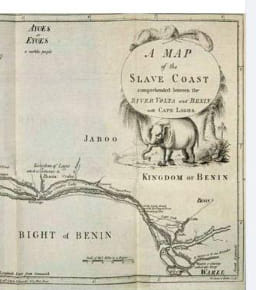
.jpg)
.THE ONLY PHOTO OF THE GREAT WALL OF BENIN KINGDOM. The Great Wall of Benin (Edo) ____ The Walls of Benin, one of Africa's ancient architectural marvels, were destroyed by the British in 1897 during what has become known as the Punitive Expedition. This shocking act destroyed more than a thousand years of Benin history and some of the earliest evidence of rich African civilisations. The walls were constructed between 800-1400 AD and when completed they have considered the world's largest earthworks carried out before the mechanical era. The walls were originally built to enclose the royal precinct of the King or “Oba” from the surrounding area. They were significant and on top of being artwork were constructed to play various roles such as protecting the people in the village from outsiders. The walls are a testament to the development of urbanization and the upswing of state societies in Sub-Saharan Africa, a period of growth that lasted from the 7th century to the 14th century. The Guinness Book of Records (1974 edition) described the walls of Benin City located now in Nigeria as “the world’s largest earthworks carried out prior to the mechanical era.” The Edo people of Benin have always been revered as trailblazers and skilled workers who were also noted to have created magnificent bronze sculptures, ivory and wood carvings amongst others from as early as the 7th century. Their creations were so spectacular that they were looted mainly by the British and even after lots of resistance, they are still displayed in museums across Europe and America. This is considered the only photo of the wall..
The Beauty that Envelops Us
Nature
The World Filled with Wonders.
THE ENVY AND JEALOUSY OF BENIN KINGDOM EMPIRE NEIGHBOURS ARE BASELESS. By Dr. Paul Osa Igbineweka The extent of Benin Kingdom Empire was a vast territory of landmarks and landmass. Now that the ancient Benin Empire was invaded by the British and placed her neighbours outside the empire territory on the East and West enclaves on recognition, they were determined to implement the British template of subjugation over Benin since 1897. Hence, some of their ignoramuses would deny Benin Kingdom Empire as an Empire. Some whose territory were not having centralised monarchical structure would be contending how can Benin Kingdom of few LGAs be an Empire? This is because they were either brainwashed or were never told of the Benin history. Especially when history was removed from the secondary school curriculum. Below is the excerpt of the administrative boundaries of the ancient Benin Empire from the History of Benin by Egharevba, p. 80, (1968).
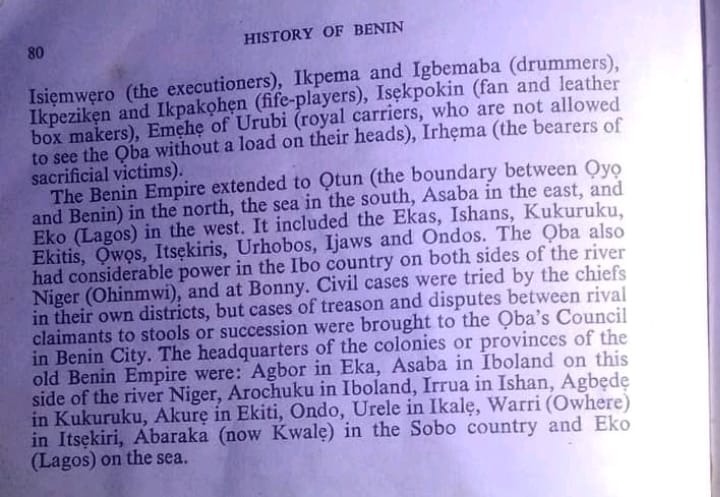
Written by
Caroline Gabrielle
.THE NORTH-EASTERN YORUBA DISTRICTS AND THE BENIN KINGDOM by S. A. AKINTOYE Department of History
. THE NORTH-EASTERN YORUBA DISTRICTS AND THE BENIN KINGDOM
by S. A. AKINTOYE
Department of History, University of Ife
IN spite of recent studies in the history of south-western Nigeria, our knowledge of the history of the eastern parts of the Yoruba country remains very poor. Admittedly, this is due mostly to the fact that, unlike the western parts of the Yoruba country, documentary material for the history of this area before the twentieth century is very slim. For instance, there is nothing comparable here to the references by Europeans along the coast to Old Qyo in the eighteenth century. And even when we come to the nineteenth century, the two agencies of European penetration:-European trade and Christian missionary activity were denied to the eastern districts of the Yoruba country until as late as the 1870's.
This, however, is no justification for a tacit assumption that the history of the Yoruba country is the history of its western parts only. At all times, the area which we tend to ignore appears to have constituted nearly half the land area and population of the Yoruba country.
This article aims to direct attention to this gap in our studies by provoking discussion of one of the most important themes in the history of most of the area-its long close contacts with the kingdom of Benin. Specifically, it attempts to pinpoint and review the evidence of Benin connections in the history of the Ekiti, Akoko, and Qwo.
Even a casual observation reveals strong Benin influence on these peoples. Their folk-lores and rituals relate closely to those of Benin. In Ikerę, Akurę, Idoani, and Qwo, the impact of Benin contacts is strongly evident in dialects, music, and dance. Traditional political practices also owe much to Benin. Benin's oval sword of state is found all over the area, as well as royal regalia approximating with varying degrees of closeness to the Benin royal regalia with its over-abundance of coral beads. A large number of chieftaincies have titles, which are found in Benin-Ologboşere, Ojomo, Saşere, etc.
JOURNAL OF THE HISTORICAL SOCIETY OF NIGERIA
VOL. IV NO. 4
JUNE 1969
1
IGALAS AND YORUBAS ARE EDO PEOPLE By Isaiah Achenejie "...That the people of Igala have a traditional link with the Benin kingdom is indubitable. There abound theories for instance, that support a Benin origin of Igala kingship. However, there was already in existence indigenous Igala people with their kingship systems before the arrival of the Benin kings. But it must be understood that at some stage of Igala history, the Benin people wielded some power of influence over them. The difference in their system of government alone is enough reason to prove that it is never true to say the entire Igala originated from Benin..."( Rev. Fr.Fidelis Egbonu,2001) IGALA,YORUBA AND BENIN; THE UNTOLD STORY. History can be refer to the academic discipline which uses a narrative to examine and analyse a sequence of pastevents, and objectively determine the patterns of cause and effect that determine them. IGALA AND YORUBA Historians sometimes debate the nature of history and its usefulness by discussing the study of the discipline as end in itself and as a way of providing “perspective” on the problems of the present.There is no doubt whatsoever that Oduduwa is the progenitor of the Yoruba people. Controversy about the origin of Oduduwa should be clarified using the Igala oral history. According to Acheneje Alfa ,,,Oral history is passed from generation & generation through story telling (alo ), songs (eli) and proverbs (ita or akpo ). The fact that the white settlers initially wrote our history for us, made it very clumsy and unbelievable , the level of distortion came from the person that narrated the story . Because of the varying opinions about the personality of ‘Oduduwa’ , there is therefore a compelling mandate to put the facts on the table of public opinions for accurate and intelligent assessment of these bare pieces of information. IGALAS UNLIKE THE YORUBAS,BELIEVED ODUDUWA IS A BENIN PRINCE. Oduduwa is believed by the Igalas to have originated from Benin the present Edo state capital (Bini Kingdom ). His real name was Ekaladeran. Igala Kingdom share boundary with Benin. Infact , it is the River Niger that separated in parts the two great kingdoms . Instances of Igala / Bini Kingdom relationships are too remarkable to be ignored. Taking into account the difference in the two languages , a closer study of the two courts at Idah and Benin would reveal more evidence to prove the connection of the two kingdoms. Special class of notables directly appointed by the Attah under the title of Edibo : at Benin it is almost exactly the equivalent class of confidential servant of the Oba known as Eghaivbo . Another significant tie is to be found in the titles given to Oba-elect and his counterpart the Attah -elect . The next in succession to the reigning Oba at Benin held the title of crown Prince or Ediaiken . No such position is accorded to the successor to the reigning Attah, but on the death of an Attah, his successor is saluted by a special title; until such time as he has been ceremonially installed as Attah he is known as the Adokanya. Turning to the great officials who formed the immediate entourage of the Attah Igala and Oba of Benin, there is a marked similarity in the titles that can be hardly accidental. Igala Kingdom Benin Kingdom Achadu Oshodi Ondoma Attah Ojoma Amana Attah Imara Omakoji Attah Ojiame Omalogba Ologboshere Ochai Attah Iyashe Even more apparent in their connection is the title given to the chief festival of the year , IGU at Benin and EGU at Idah. The events which led to Oduduwa’ s escape from Benin was that; he was earmarked then , to be the next Oba of Benin , but the other contestant to the same throne seems to be stronger than him . And Oduduwa felt that his life would not be saved staying in the land . The battle for leadership as it was in those days even today in some traditions was and is always a fierce battle. Actually, he was a prince from the Benin ruling class (royal family ). For this reason, he had to prepare and escape for his dear life . Oduduwa had a fearful mind and that may be the reason why many Yorubas do fear . He crossed the river Niger to the Igala land located towards the northeastern part of Benin. He was found wandering in the bush by hunters and was brought to the palace. His appearance was not like that of a poor but of a noble and rich person. When they tried to find out about his origin, he refused to disclose it. As it has been in the tradition of the Igalas , any stranger or strange thing(s ) found must be brought to the palace of the supreme ruler of the land , at the headquarter of the Igala kingdom (Idah). IGALA AND YORUBA For at least about a thousand of years preceding Attah’ s institution was Igalamela ’ s dynasty . This means that nine Igala Chiefs or Judges meet to take decision concerning any matter . It is very interesting to learn about this democratic setting as at that primitive age. This nine juries vote on certain matters with a clear winner emerging . A monument put in place in remembrance of these historical facts was the creation of Igalamela / Odolu Local Government Area with the headquarters at Ajaka in the present Kogi State of Nigeria ; and after which was the establishment of Attah’ s institution . Attah means father and is the only supreme authority in the kingdom . Oduduwa was led to Attah’ s palace were the Attah also tried to establish his origin but he did not disclose his origin. Then Attah passed a verdict that he should be allowed to stay in the land and gave him a name “ Oduduwa”. ‘ Oodu’ means (Lord ). “ Duwa ” means (Bring). That is “ The Lord brought him ” or “ he was brought by God ” . While Igala says muwa for a moving object. “ Mu” is “ catch ” . “ wa ” is “ come ”. “ Muwa ” is “ catch and bring”.
2
.The plural of “ duwa” is “ kowa ” or “ koma wa ” while that of “ muwa ” is “ muma wa ” (catch them and bring). Oduduwa to be regarded and accorded the type of acceptance given to him then , suggested that he must have displayed some level of spiritual power or he was just being favoured. If you ask any Yoruba man about the meaning of “ Oduduwa”, he finds it difficult to explain in vivid term the meaning . Oduduwa then settled in a place, which he named “ Ife ”. Ife is a District in Omala Local Government Area of Kogi State in Nigeria with the headquarters at Abejukolo . Abejukolo (iba aji kolo) means , “ a town or place located near a river and surrounded by other rivers . He named the place, stayed in the place, married Igala wives and gave birth to many children. Ife (Ola m ’ ife), meaning “ I am clean” “ my body is clean”. Since he was the only person that left Benin to Igala land , the first thing he did was to learn the language in order to communicate with the people . Oduduwa then spoke Igala language with his wives, children and the people . This is the reason why Igala words constitute about seventy five percent (75 % ) of Yoruba spoken words. The people of Ife are mostly dark in complexion . Strong , averagely tall intelligent and musically talented . The title of the chief of Ife is called “ OJOGBA” . It was only that chiefdom that attempts to forcefully overthrow one of the Attah’ s through war . It should be noted that the making of an Attah is never done through war or conquest but through a peaceful selection and rotation between the royal families or ruling classes . This Chief made attempt and almost succeeded. If the war had continued a day longer , maybe he would have won, hence the “ Ojogba” which means it was God ’ s intervention or it was God that saved Attah’ s throne if not he would have become Attah. There was another instance, when one of the Attah’ s was touring Ife District were hoodlums under the cover of an early morning dews attacked him . That made the Attah to curse the district against having dew and up till date the area has never witnessed any dew . He is the only chief that does not bend down for an Attah. Oduduwa could not stay in Igala land to achieve his royal ambition and for that reason, he then decided to relocate to another area where he could establish his own dynasty and rule his people . Oduduwa moved with his people to the West and dwelt in a place, which is also called ‘ Ife ’ . It was later referred to as Ile – Ife meaning gain from Ife because of his achievements from Ife land (ile = gain in Igala Language). Just as we have Ibadan in Oyo State located towards the West of Ile – Ife in Osun State, there is also an ancient town called Ibado (Ibadan ) located towards the South- West of Ife in Igala land ; it is also called Ibado – Akpacha because it grew in size to meet another town called Akpacha . Oduduwa was a nobleman , an embodiment of spiritual power . He left Benin because of fear but at the time of his stay in Igala land he acquired a lot of spiritual powers. The soil composition , natural vegetation and the weather of Ife in Igala land and that of Yoruba are almost the same. They also share common farm produce and economic trees like Iroko (uloko ) and other timbers, palm trees (Ekpe ) although fewer in the west. Common farm produce like yam (uchu ), cocoyam (ikachi), banana (ogede), cocoa, coffee , kolanuts (obi ) and so on. He ruled his people well and peole liked him . He stood against any opposition and led his people to victory in the period of wars (ogwu ). As time went by , he was taken to be a ‘ god ’ because his name means ‘somebody that came from the Lord or God ’ , and also for that fact he was not linked with an earthly father, that is no paternal or even maternal linkage. Earlier on he decided not to disclose his identity because he feared being deported . All these accounted for the people ’ s belief that Oduduwa descended from heaven with a chain and landed at Ile – Ife . These were just human imaginations of a man without an earthly background . The strongest reason could still be the meaning of his name . “ Oodu- duwa” “ Odu ” in Igala refers to “ Masters” as in slave and master “ My Lord” Odumi. Using bio chronological dating , these event took place at about 2 , 000 (two thousand) years ago. The belief by some Yorubas that Oduduwa descended from heaven and landed in Ile – Ife was a myth , which should be discouraged. It is unrealistic for the story to be told and believed by anybody . If it were possible , Christ and Prophets (Messengers of God ) would have come from heaven the same way it was said Oduduwa came . There’ s nobody on earth that ever descended from heaven , even Satan ; and all his spiritual beings only manifest in darkness or in secret because the whole world was given to the sons of man to dominate and inherit . That is why other spiritual beings chosen to come to the world through man or carry their activities through man. One of the reasons why the people believed he came from heaven apart from the fact that his name depicted a man that came from God was that, his name was the only name , which is impossible to establish his father’ s name . The people spread so vast and were so blessed . Oduduwa’ s reputation also spread all around . They were never defeated in any war . His vast knowledge in the use of ifa (originally an Igala invention ) was of a great help to him, because it is believed that Ifa foresees or discerns the future and provides solutions to many problems . As time progressed , his people (Binis ) heard about his fame and sent delegates to Ile – Ife . They recognized and confirmed that it was Ekalederan, the prince of Benin royal family who ran away from home many years ago . Surprisingly , the name has changed from Ekalederan to Oduduwa. He had many children. The first – born was Okobi meaning in Igala that “ I gave birth to him on the farm ” (Oko ubi ). Anybody that ran away from home is referred to by our people that he ran into the farm or bush . Another one called Oramnyan (Olami nyo) meaning , “ my body is good” . This was to describe how favoured and lucky he was in foreign land . His people begged him to come Benin and rule them again in order to regain the chance he lost to becoming the Oba of Benin. He refused on account of old age. However , he agreed to send one of his sons Oraminyan (the last born ) to rule them as Oba of Benin. Oraminyan then left Ile – Ife and became the Oba of Benin. This was under a mutual understanding and cordial arrangement in compensation to the same position he lost. It was not done through any war . But when he came to Benin as the new Oba , the first problem was communication. There was a serious language problem. ORIGIN OF THE WORD-YORUBA The new Oba could not speak Bini (Edo ) language . The story making news was the language he was speaking. The echo of answers to the query was that “ he was speaking the mother’ s tongues ” that is; it was “ Iye Oba’ s language ” . The mother of Oraminyan was an Igala woman (oduduwa wife ). Bini (Edo ) word for mother is “ Iye” language (ewo ), Oba (King). When we combine these Bini (Edo ) words together , – “ Iye” “ ewo ” “ Oba” , we then have Yoruba. Yoruba people call themselves ‘YOOBA’ having the same sound with Bini words. This is how Yoruba language came about . Up till today Bini (Edo ) still call Yoruba people as Iyoba (Oba ’ s mother). The Igala call Yoruba as Iyaji from an exclamative reaction; Iye ajji ! Meaning ’ “ the mother cannot ” . After the abolition of slave trade in 1807, by Williams Wilberforce , slaves were returned from Europe and America to Africa. They were dumped at the coastal lines of West Africa. The Government of Great Britain set up British Royal Navy to monitor the stoppage of slave business . Since 1807 to 1831, the Royal Navy was on the Atlantic Ocean to enforce compliance of the abolition . Some were liberated from the human cargo ship on their way to America and Europe . The returnees were so large that they formed a country called Liberia with its capital at Freetown. Those they dropped around areas like Ghana , Ivory Coast and others on the shorelines formed the various countries we have in West Africa today . Those that were dropped in Badagry and Lagos areas infiltrated into Yorubas and made the population of Yorubas higher than any other ethnic group in Nigeria therefore becoming a threat to the Igalas , the only most powerful kingdom in Nigeria after defeating their brothers; Jukuns and Benin Kingdom . Rumours started carrying it that Yorubas would invade Idah because of their massacre population , the response was that , we are their mothers, mothers cannot do that! (Awa chiyema ; Iya ajji ). Interestingly, Hausa , Nupe and Egbira called them Iyaji or Eyagi. That is to say Hausa later had contact with Yorubas after Igala had named them. Iye (mother) is common to Igala , Yoruba and Edo . This research work took our team to the palace of Alafin Oyo where it was confirmed that the mother of Oraminyan was an Igala woman from Nupe land . Oraminyan continued to rule Binis until he was dissatisfied with them. Apart from the language problem he discovered that the people were full with many troubles . He (Oraminyan ) left Benin to Oyo where he founded the Oyo Empire then became the Alaafin. Alaafin stool is number one ruler in the whole of Yoruba land . It is not in contention that Yorubas are the most populous single ethnic group in Nigeria . Yoruba language is spoken in some countries in West Africa. Yoruba culture spread in Nigeria and even far into the Caribbean country of Cuba. Ile – Ife is regarded as the spiritual home of Yoruba race . Oduduwa transferred and conferred the mantleship of leadership to Oraminyan and back him up spiritually from Ile – Ife before he died . There was a war which he needed assistance for full confidence of victory. He had to contact his brother Sango to come and help him fight the war . Sango came , assisted him in fighting the war to victory and he was being worshipped as a ‘ god ’ . The wife of Sango ’ Iyemoja meaning in Igala ; “ the mother of large group of people ”, became river goddess . There are indigenous Igala in Lagos state called Isaleko. Their major occupation was fishing . They were Igalas from Nupe land . In fact , each time I meet with them, I felt being at home with my people . I saw love and brotherliness in them.
3
.Nobody told them about all these before. They didn’ t know what Igala means . They thought it was just a name of the town. They admitted that these events took place very long time ago . Igalas are also called; Gara , Agalawa , Gala, Igarra , Egarra , Igira, Ibaji , Akpoto, Koto, Angola , Lingala , Dan garra, Gaa , Gana, and so on . Other Igala groups bearing different identities are ; Idoma , Egbira (Ebira ), Agatu, Igede , Agilla , Ogoja (Iyalla) Itshekiri , Nupe , Bassa . The Igala senior brothers , with whom Igalas had a very strong tie, were Jukuns (Apa) and Binis . At one time or the other, these groups provided some leadership roles before Igala ’ s Independence. Bachama of Adamawa State and Tarok of Plateau State are some of our close brothers . Most of the ethnic minorities of the whole Middle belt and North and Southern regions related with one another. Compiled and written by Isaiah Achenejie.IGALAS AND YORUBAS ARE EDO PEOPLE By Isaiah Achenejie "...That the people of Igala have a traditional link with the Benin kingdom is indubitable. There abound theories for instance, that support a Benin origin of Igala kingship. However, there was already in existence indigenous Igala people with their kingship systems before the arrival of the Benin kings. But it must be understood that at some stage of Igala history, the Benin people wielded some power of influence over them. The difference in their system of government alone is enough reason to prove that it is never true to say the entire Igala originated from Benin..."( Rev. Fr.Fidelis Egbonu,2001) IGALA,YORUBA AND BENIN; THE UNTOLD STORY. History can be refer to the academic discipline which uses a narrative to examine and analyse a sequence of pastevents, and objectively determine the patterns of cause and effect that determine them. IGALA AND YORUBA Historians sometimes debate the nature of history and its usefulness by discussing the study of the discipline as end in itself and as a way of providing “perspective” on the problems of the present.There is no doubt whatsoever that Oduduwa is the progenitor of the Yoruba people. Controversy about the origin of Oduduwa should be clarified using the Igala oral history. According to Acheneje Alfa ,,,Oral history is passed from generation & generation through story telling (alo ), songs (eli) and proverbs (ita or akpo ). The fact that the white settlers initially wrote our history for us, made it very clumsy and unbelievable , the level of distortion came from the person that narrated the story . Because of the varying opinions about the personality of ‘Oduduwa’ , there is therefore a compelling mandate to put the facts on the table of public opinions for accurate and intelligent assessment of these bare pieces of information. IGALAS UNLIKE THE YORUBAS,BELIEVED ODUDUWA IS A BENIN PRINCE. Oduduwa is believed by the Igalas to have originated from Benin the present Edo state capital (Bini Kingdom ). His real name was Ekaladeran. Igala Kingdom share boundary with Benin. Infact , it is the River Niger that separated in parts the two great kingdoms . Instances of Igala / Bini Kingdom relationships are too remarkable to be ignored. Taking into account the difference in the two languages , a closer study of the two courts at Idah and Benin would reveal more evidence to prove the connection of the two kingdoms. Special class of notables directly appointed by the Attah under the title of Edibo : at Benin it is almost exactly the equivalent class of confidential servant of the Oba known as Eghaivbo . Another significant tie is to be found in the titles given to Oba-elect and his counterpart the Attah -elect . The next in succession to the reigning Oba at Benin held the title of crown Prince or Ediaiken . No such position is accorded to the successor to the reigning Attah, but on the death of an Attah, his successor is saluted by a special title; until such time as he has been ceremonially installed as Attah he is known as the Adokanya. Turning to the great officials who formed the immediate entourage of the Attah Igala and Oba of Benin, there is a marked similarity in the titles that can be hardly accidental. Igala Kingdom Benin Kingdom Achadu Oshodi Ondoma Attah Ojoma Amana Attah Imara Omakoji Attah Ojiame Omalogba Ologboshere Ochai Attah Iyashe Even more apparent in their connection is the title given to the chief festival of the year , IGU at Benin and EGU at Idah. The events which led to Oduduwa’ s escape from Benin was that; he was earmarked then , to be the next Oba of Benin , but the other contestant to the same throne seems to be stronger than him . And Oduduwa felt that his life would not be saved staying in the land . The battle for leadership as it was in those days even today in some traditions was and is always a fierce battle. Actually, he was a prince from the Benin ruling class (royal family ). For this reason, he had to prepare and escape for his dear life . Oduduwa had a fearful mind and that may be the reason why many Yorubas do fear . He crossed the river Niger to the Igala land located towards the northeastern part of Benin. He was found wandering in the bush by hunters and was brought to the palace. His appearance was not like that of a poor but of a noble and rich person. When they tried to find out about his origin, he refused to disclose it. As it has been in the tradition of the Igalas , any stranger or strange thing(s ) found must be brought to the palace of the supreme ruler of the land , at the headquarter of the Igala kingdom (Idah). IGALA AND YORUBA For at least about a thousand of years preceding Attah’ s institution was Igalamela ’ s dynasty . This means that nine Igala Chiefs or Judges meet to take decision concerning any matter . It is very interesting to learn about this democratic setting as at that primitive age. This nine juries vote on certain matters with a clear winner emerging . A monument put in place in remembrance of these historical facts was the creation of Igalamela / Odolu Local Government Area with the headquarters at Ajaka in the present Kogi State of Nigeria ; and after which was the establishment of Attah’ s institution . Attah means father and is the only supreme authority in the kingdom . Oduduwa was led to Attah’ s palace were the Attah also tried to establish his origin but he did not disclose his origin. Then Attah passed a verdict that he should be allowed to stay in the land and gave him a name “ Oduduwa”. ‘ Oodu’ means (Lord ). “ Duwa ” means (Bring). That is “ The Lord brought him ” or “ he was brought by God ” . While Igala says muwa for a moving object. “ Mu” is “ catch ” . “ wa ” is “ come ”. “ Muwa ” is “ catch and bring”. The plural of “ duwa” is “ kowa ” or “ koma wa ” while that of “ muwa ” is “ muma wa ” (catch them and bring). Oduduwa to be regarded and accorded the type of acceptance given to him then , suggested that he must have displayed some level of spiritual power or he was just being favoured. If you ask any Yoruba man about the meaning of “ Oduduwa”, he finds it difficult to explain in vivid term the meaning . Oduduwa then settled in a place, which he named “ Ife ”. Ife is a District in Omala Local Government Area of Kogi State in Nigeria with the headquarters at Abejukolo . Abejukolo (iba aji kolo) means , “ a town or place located near a river and surrounded by other rivers . He named the place, stayed in the place, married Igala wives and gave birth to many children. Ife (Ola m ’ ife), meaning “ I am clean” “ my body is clean”. Since he was the only person that left Benin to Igala land , the first thing he did was to learn the language in order to communicate with the people . Oduduwa then spoke Igala language with his wives, children and the people . This is the reason why Igala words constitute about seventy five percent (75 % ) of Yoruba spoken words. The people of Ife are mostly dark in complexion . Strong , averagely tall intelligent and musically talented . The title of the chief of Ife is called “ OJOGBA” . It was only that chiefdom that attempts to forcefully overthrow one of the Attah’ s through war . It should be noted that the making of an Attah is never done through war or conquest but through a peaceful selection and rotation between the royal families or ruling classes . This Chief made attempt and almost succeeded. If the war had continued a day longer , maybe he would have won, hence the “ Ojogba” which means it was God ’ s intervention or it was God that saved Attah’ s throne if not he would have become Attah. There was another instance, when one of the Attah’ s was touring Ife District were hoodlums under the cover of an early morning dews attacked him . That made the Attah to curse the district against having dew and up till date the area has never witnessed any dew . He is the only chief that does not bend down for an Attah. Oduduwa could not stay in Igala land to achieve his royal ambition and for that reason, he then decided to relocate to another area where he could establish his own dynasty and rule his people . Oduduwa moved with his people to the West and dwelt in a place, which is also called ‘ Ife ’ . It was later referred to as Ile – Ife meaning gain from Ife because of his achievements from Ife land (ile = gain in Igala Language). Just as we have Ibadan in Oyo State located towards the West of Ile – Ife in Osun State, there is also an ancient town called Ibado (Ibadan ) located towards the South- West of Ife in Igala land ; it is also called Ibado – Akpacha because it grew in size to meet another town called Akpacha . Oduduwa was a nobleman , an embodiment of spiritual power . He left Benin because of fear but at the time of his stay in Igala land he acquired a lot of spiritual powers. The soil composition , natural vegetation and the weather of Ife in Igala land and that of Yoruba are almost the same. They also share common farm produce and economic trees like Iroko (uloko ) and other timbers, palm trees (Ekpe ) although fewer in the west. Common farm produce like yam (uchu ), cocoyam (ikachi), banana (ogede), cocoa, coffee , kolanuts (obi ) and so on. He ruled his people well and peole liked him . He stood against any opposition and led his people to victory in the period of wars (ogwu ). As time went by , he was taken to be a ‘ god ’ because his name means ‘somebody that came from the Lord or God ’ , and also for that fact he was not linked with an earthly father, that is no paternal or even maternal linkage. Earlier on he decided not to disclose his identity because he feared being deported . All these accounted for the people ’ s belief that Oduduwa descended from heaven with a chain and landed at Ile – Ife . These were just human imaginations of a man without an earthly background . The strongest reason could still be the meaning of his name . “ Oodu- duwa” “ Odu ” in Igala refers to “ Masters” as in slave and master “ My Lord” Odumi. Using bio chronological dating , these event took place at about 2 , 000 (two thousand) years ago. The belief by some Yorubas that Oduduwa descended from heaven and landed in Ile – Ife was a myth , which should be discouraged. It is unrealistic for the story to be told and believed by anybody . If it were possible , Christ and Prophets (Messengers of God ) would have come from heaven the same way it was said Oduduwa came . There’ s nobody on earth that ever descended from heaven , even Satan ; and all his spiritual beings only manifest in darkness or in secret because the whole world was given to the sons of man to dominate and inherit . That is why other spiritual beings chosen to come to the world through man or carry their activities through man. One of the reasons why the people believed he came from heaven apart from the fact that his name depicted a man that came from God was that, his name was the only name , which is impossible to establish his father’ s name . The people spread so vast and were so blessed . Oduduwa’ s reputation also spread all around . They were never defeated in any war . His vast knowledge in the use of ifa (originally an Igala invention ) was of a great help to him, because it is believed that Ifa foresees or discerns the future and provides solutions to many problems . As time progressed , his people (Binis ) heard about his fame and sent delegates to Ile – Ife . They recognized and confirmed that it was Ekalederan, the prince of Benin royal family who ran away from home many years ago . Surprisingly , the name has changed from Ekalederan to Oduduwa. He had many children. The first – born was Okobi meaning in Igala that “ I gave birth to him on the farm ” (Oko ubi ). Anybody that ran away from home is referred to by our people that he ran into the farm or bush . Another one called Oramnyan (Olami nyo) meaning , “ my body is good” . This was to describe how favoured and lucky he was in foreign land . His people begged him to come Benin and rule them again in order to regain the chance he lost to becoming the Oba of Benin. He refused on account of old age. However , he agreed to send one of his sons Oraminyan (the last born ) to rule them as Oba of Benin. Oraminyan then left Ile – Ife and became the Oba of Benin. This was under a mutual understanding and cordial arrangement in compensation to the same position he lost. It was not done through any war . But when he came to Benin as the new Oba , the first problem was communication. There was a serious language problem. ORIGIN OF THE WORD-YORUBA The new Oba could not speak Bini (Edo ) language . The story making news was the language he was speaking. The echo of answers to the query was that “ he was speaking the mother’ s tongues ” that is; it was “ Iye Oba’ s language ” . The mother of Oraminyan was an Igala woman (oduduwa wife ). Bini (Edo ) word for mother is “ Iye” language (ewo ), Oba (King). When we combine these Bini (Edo ) words together , – “ Iye” “ ewo ” “ Oba” , we then have Yoruba. Yoruba people call themselves ‘YOOBA’ having the same sound with Bini words. This is how Yoruba language came about . Up till today Bini (Edo ) still call Yoruba people as Iyoba (Oba ’ s mother). The Igala call Yoruba as Iyaji from an exclamative reaction; Iye ajji ! Meaning ’ “ the mother cannot ” . After the abolition of slave trade in 1807, by Williams Wilberforce , slaves were returned from Europe and America to Africa. They were dumped at the coastal lines of West Africa. The Government of Great Britain set up British Royal Navy to monitor the stoppage of slave business . Since 1807 to 1831, the Royal Navy was on the Atlantic Ocean to enforce compliance of the abolition . Some were liberated from the human cargo ship on their way to America and Europe . The returnees were so large that they formed a country called Liberia with its capital at Freetown. Those they dropped around areas like Ghana , Ivory Coast and others on the shorelines formed the various countries we have in West Africa today . Those that were dropped in Badagry and Lagos areas infiltrated into Yorubas and made the population of Yorubas higher than any other ethnic group in Nigeria therefore becoming a threat to the Igalas , the only most powerful kingdom in Nigeria after defeating their brothers; Jukuns and Benin Kingdom . Rumours started carrying it that Yorubas would invade Idah because of their massacre population , the response was that , we are their mothers, mothers cannot do that! (Awa chiyema ; Iya ajji ). Interestingly, Hausa , Nupe and Egbira called them Iyaji or Eyagi. That is to say Hausa later had contact with Yorubas after Igala had named them. Iye (mother) is common to Igala , Yoruba and Edo . This research work took our team to the palace of Alafin Oyo where it was confirmed that the mother of Oraminyan was an Igala woman from Nupe land . Oraminyan continued to rule Binis until he was dissatisfied with them. Apart from the language problem he discovered that the people were full with many troubles . He (Oraminyan ) left Benin to Oyo where he founded the Oyo Empire then became the Alaafin. Alaafin stool is number one ruler in the whole of Yoruba land . It is not in contention that Yorubas are the most populous single ethnic group in Nigeria . Yoruba language is spoken in some countries in West Africa. Yoruba culture spread in Nigeria and even far into the Caribbean country of Cuba. Ile – Ife is regarded as the spiritual home of Yoruba race . Oduduwa transferred and conferred the mantleship of leadership to Oraminyan and back him up spiritually from Ile – Ife before he died . There was a war which he needed assistance for full confidence of victory. He had to contact his brother Sango to come and help him fight the war . Sango came , assisted him in fighting the war to victory and he was being worshipped as a ‘ god ’ . The wife of Sango ’ Iyemoja meaning in Igala ; “ the mother of large group of people ”, became river goddess . There are indigenous Igala in Lagos state called Isaleko. Their major occupation was fishing . They were Igalas from Nupe land . In fact , each time I meet with them, I felt being at home with my people . I saw love and brotherliness in them. Nobody told them about all these before. They didn’ t know what Igala means . They thought it was just a name of the town. They admitted that these events took place very long time ago . Igalas are also called; Gara , Agalawa , Gala, Igarra , Egarra , Igira, Ibaji , Akpoto, Koto, Angola , Lingala , Dan garra, Gaa , Gana, and so on . Other Igala groups bearing different identities are ; Idoma , Egbira (Ebira ), Agatu, Igede , Agilla , Ogoja (Iyalla) Itshekiri , Nupe , Bassa . The Igala senior brothers , with whom Igalas had a very strong tie, were Jukuns (Apa) and Binis . At one time or the other, these groups provided some leadership roles before Igala ’ s Independence. Bachama of Adamawa State and Tarok of Plateau State are some of our close brothers . Most of the ethnic minorities of the whole Middle belt and North and Southern regions related with one another. Compiled and written by Isaiah Achenejie.
Fascinating Places, Great Journey..IGALAS AND YORUBAS ARE EDO PEOPLE
part1
.IGALAS AND YORUBAS ARE EDO PEOPLE By Isaiah Achenejie "...That the people of Igala have a traditional link with the Benin kingdom is indubitable. There abound theories for instance, that support a Benin origin of Igala kingship. However, there was already in existence indigenous Igala people with their kingship systems before the arrival of the Benin kings. But it must be understood that at some stage of Igala history, the Benin people wielded some power of influence over them. The difference in their system of government alone is enough reason to prove that it is never true to say the entire Igala originated from Benin..."( Rev. Fr.Fidelis Egbonu,2001) IGALA,YORUBA AND BENIN; THE UNTOLD STORY. History can be refer to the academic discipline which uses a narrative to examine and analyse a sequence of pastevents, and objectively determine the patterns of cause and effect that determine them. IGALA AND YORUBA Historians sometimes debate the nature of history and its usefulness by discussing the study of the discipline as end in itself and as a way of providing “perspective” on the problems of the present.There is no doubt whatsoever that Oduduwa is the progenitor of the Yoruba people. Controversy about the origin of Oduduwa should be clarified using the Igala oral history. According to Acheneje Alfa ,,,Oral history is passed from generation & generation through story telling (alo ), songs (eli) and proverbs (ita or akpo ). The fact that the white settlers initially wrote our history for us, made it very clumsy and unbelievable , the level of distortion came from the person that narrated the story . Because of the varying opinions about the personality of ‘Oduduwa’ , there is therefore a compelling mandate to put the facts on the table of public opinions for accurate and intelligent assessment of these bare pieces of information. IGALAS UNLIKE THE YORUBAS,BELIEVED ODUDUWA IS A BENIN PRINCE. Oduduwa is believed by the Igalas to have originated from Benin the present Edo state capital (Bini Kingdom ). His real name was Ekaladeran. Igala Kingdom share boundary with Benin. Infact , it is the River Niger that separated in parts the two great kingdoms . Instances of Igala / Bini Kingdom relationships are too remarkable to be ignored. Taking into account the difference in the two languages , a closer study of the two courts at Idah and Benin would reveal more evidence to prove the connection of the two kingdoms. Special class of notables directly appointed by the Attah under the title of Edibo : at Benin it is almost exactly the equivalent class of confidential servant of the Oba known as Eghaivbo . Another significant tie is to be found in the titles given to Oba-elect and his counterpart the Attah -elect . The next in succession to the reigning Oba at Benin held the title of crown Prince or Ediaiken . No such position is accorded to the successor to the reigning Attah, but on the death of an Attah, his successor is saluted by a special title; until such time as he has been ceremonially installed as Attah he is known as the Adokanya. Turning to the great officials who formed the immediate entourage of the Attah Igala and Oba of Benin, there is a marked similarity in the titles that can be hardly accidental. Igala Kingdom Benin Kingdom Achadu Oshodi Ondoma Attah Ojoma Amana Attah Imara Omakoji Attah Ojiame Omalogba Ologboshere Ochai Attah Iyashe Even more apparent in their connection is the title given to the chief festival of the year , IGU at Benin and EGU at Idah. The events which led to Oduduwa’ s escape from Benin was that; he was earmarked then , to be the next Oba of Benin , but the other contestant to the same throne seems to be stronger than him . And Oduduwa felt that his life would not be saved staying in the land . The battle for leadership as it was in those days even today in some traditions was and is always a fierce battle. Actually, he was a prince from the Benin ruling class (royal family ). For this reason, he had to prepare and escape for his dear life . Oduduwa had a fearful mind and that may be the reason why many Yorubas do fear . He crossed the river Niger to the Igala land located towards the northeastern part of Benin. He was found wandering in the bush by hunters and was brought to the palace. His appearance was not like that of a poor but of a noble and rich person. When they tried to find out about his origin, he refused to disclose it. As it has been in the tradition of the Igalas , any stranger or strange thing(s ) found must be brought to the palace of the supreme ruler of the land , at the headquarter of the Igala kingdom (Idah). IGALA AND YORUBA For at least about a thousand of years preceding Attah’ s institution was Igalamela ’ s dynasty . This means that nine Igala Chiefs or Judges meet to take decision concerning any matter . It is very interesting to learn about this democratic setting as at that primitive age. This nine juries vote on certain matters with a clear winner emerging . A monument put in place in remembrance of these historical facts was the creation of Igalamela / Odolu Local Government Area with the headquarters at Ajaka in the present Kogi State of Nigeria ; and after which was the establishment of Attah’ s institution . Attah means father and is the only supreme authority in the kingdom . Oduduwa was led to Attah’ s palace were the Attah also tried to establish his origin but he did not disclose his origin. Then Attah passed a verdict that he should be allowed to stay in the land and gave him a name “ Oduduwa”. ‘ Oodu’ means (Lord ). “ Duwa ” means (Bring). That is “ The Lord brought him ” or “ he was brought by God ” . While Igala says muwa for a moving object. “ Mu” is “ catch ” . “ wa ” is “ come ”. “ Muwa ” is “ catch and bring”.
.PART2
.The plural of “ duwa” is “ kowa ” or “ koma wa ” while that of “ muwa ” is “ muma wa ” (catch them and bring). Oduduwa to be regarded and accorded the type of acceptance given to him then , suggested that he must have displayed some level of spiritual power or he was just being favoured. If you ask any Yoruba man about the meaning of “ Oduduwa”, he finds it difficult to explain in vivid term the meaning . Oduduwa then settled in a place, which he named “ Ife ”. Ife is a District in Omala Local Government Area of Kogi State in Nigeria with the headquarters at Abejukolo . Abejukolo (iba aji kolo) means , “ a town or place located near a river and surrounded by other rivers . He named the place, stayed in the place, married Igala wives and gave birth to many children. Ife (Ola m ’ ife), meaning “ I am clean” “ my body is clean”. Since he was the only person that left Benin to Igala land , the first thing he did was to learn the language in order to communicate with the people . Oduduwa then spoke Igala language with his wives, children and the people . This is the reason why Igala words constitute about seventy five percent (75 % ) of Yoruba spoken words. The people of Ife are mostly dark in complexion . Strong , averagely tall intelligent and musically talented . The title of the chief of Ife is called “ OJOGBA” . It was only that chiefdom that attempts to forcefully overthrow one of the Attah’ s through war . It should be noted that the making of an Attah is never done through war or conquest but through a peaceful selection and rotation between the royal families or ruling classes . This Chief made attempt and almost succeeded. If the war had continued a day longer , maybe he would have won, hence the “ Ojogba” which means it was God ’ s intervention or it was God that saved Attah’ s throne if not he would have become Attah. There was another instance, when one of the Attah’ s was touring Ife District were hoodlums under the cover of an early morning dews attacked him . That made the Attah to curse the district against having dew and up till date the area has never witnessed any dew . He is the only chief that does not bend down for an Attah. Oduduwa could not stay in Igala land to achieve his royal ambition and for that reason, he then decided to relocate to another area where he could establish his own dynasty and rule his people . Oduduwa moved with his people to the West and dwelt in a place, which is also called ‘ Ife ’ . It was later referred to as Ile – Ife meaning gain from Ife because of his achievements from Ife land (ile = gain in Igala Language). Just as we have Ibadan in Oyo State located towards the West of Ile – Ife in Osun State, there is also an ancient town called Ibado (Ibadan ) located towards the South- West of Ife in Igala land ; it is also called Ibado – Akpacha because it grew in size to meet another town called Akpacha . Oduduwa was a nobleman , an embodiment of spiritual power . He left Benin because of fear but at the time of his stay in Igala land he acquired a lot of spiritual powers. The soil composition , natural vegetation and the weather of Ife in Igala land and that of Yoruba are almost the same. They also share common farm produce and economic trees like Iroko (uloko ) and other timbers, palm trees (Ekpe ) although fewer in the west. Common farm produce like yam (uchu ), cocoyam (ikachi), banana (ogede), cocoa, coffee , kolanuts (obi ) and so on. He ruled his people well and peole liked him . He stood against any opposition and led his people to victory in the period of wars (ogwu ). As time went by , he was taken to be a ‘ god ’ because his name means ‘somebody that came from the Lord or God ’ , and also for that fact he was not linked with an earthly father, that is no paternal or even maternal linkage. Earlier on he decided not to disclose his identity because he feared being deported . All these accounted for the people ’ s belief that Oduduwa descended from heaven with a chain and landed at Ile – Ife . These were just human imaginations of a man without an earthly background . The strongest reason could still be the meaning of his name . “ Oodu- duwa” “ Odu ” in Igala refers to “ Masters” as in slave and master “ My Lord” Odumi. Using bio chronological dating , these event took place at about 2 , 000 (two thousand) years ago. The belief by some Yorubas that Oduduwa descended from heaven and landed in Ile – Ife was a myth , which should be discouraged. It is unrealistic for the story to be told and believed by anybody . If it were possible , Christ and Prophets (Messengers of God ) would have come from heaven the same way it was said Oduduwa came . There’ s nobody on earth that ever descended from heaven , even Satan ; and all his spiritual beings only manifest in darkness or in secret because the whole world was given to the sons of man to dominate and inherit . That is why other spiritual beings chosen to come to the world through man or carry their activities through man. One of the reasons why the people believed he came from heaven apart from the fact that his name depicted a man that came from God was that, his name was the only name , which is impossible to establish his father’ s name . The people spread so vast and were so blessed . Oduduwa’ s reputation also spread all around . They were never defeated in any war . His vast knowledge in the use of ifa (originally an Igala invention ) was of a great help to him, because it is believed that Ifa foresees or discerns the future and provides solutions to many problems . As time progressed , his people (Binis ) heard about his fame and sent delegates to Ile – Ife . They recognized and confirmed that it was Ekalederan, the prince of Benin royal family who ran away from home many years ago . Surprisingly , the name has changed from Ekalederan to Oduduwa. He had many children. The first – born was Okobi meaning in Igala that “ I gave birth to him on the farm ” (Oko ubi ). Anybody that ran away from home is referred to by our people that he ran into the farm or bush . Another one called Oramnyan (Olami nyo) meaning , “ my body is good” . This was to describe how favoured and lucky he was in foreign land . His people begged him to come Benin and rule them again in order to regain the chance he lost to becoming the Oba of Benin. He refused on account of old age. However , he agreed to send one of his sons Oraminyan (the last born ) to rule them as Oba of Benin. Oraminyan then left Ile – Ife and became the Oba of Benin. This was under a mutual understanding and cordial arrangement in compensation to the same position he lost. It was not done through any war . But when he came to Benin as the new Oba , the first problem was communication. There was a serious language problem. ORIGIN OF THE WORD-YORUBA The new Oba could not speak Bini (Edo ) language . The story making news was the language he was speaking. The echo of answers to the query was that “ he was speaking the mother’ s tongues ” that is; it was “ Iye Oba’ s language ” . The mother of Oraminyan was an Igala woman (oduduwa wife ). Bini (Edo ) word for mother is “ Iye” language (ewo ), Oba (King). When we combine these Bini (Edo ) words together , – “ Iye” “ ewo ” “ Oba” , we then have Yoruba. Yoruba people call themselves ‘YOOBA’ having the same sound with Bini words. This is how Yoruba language came about . Up till today Bini (Edo ) still call Yoruba people as Iyoba (Oba ’ s mother). The Igala call Yoruba as Iyaji from an exclamative reaction; Iye ajji ! Meaning ’ “ the mother cannot ” . After the abolition of slave trade in 1807, by Williams Wilberforce , slaves were returned from Europe and America to Africa. They were dumped at the coastal lines of West Africa. The Government of Great Britain set up British Royal Navy to monitor the stoppage of slave business . Since 1807 to 1831, the Royal Navy was on the Atlantic Ocean to enforce compliance of the abolition . Some were liberated from the human cargo ship on their way to America and Europe . The returnees were so large that they formed a country called Liberia with its capital at Freetown. Those they dropped around areas like Ghana , Ivory Coast and others on the shorelines formed the various countries we have in West Africa today . Those that were dropped in Badagry and Lagos areas infiltrated into Yorubas and made the population of Yorubas higher than any other ethnic group in Nigeria therefore becoming a threat to the Igalas , the only most powerful kingdom in Nigeria after defeating their brothers; Jukuns and Benin Kingdom . Rumours started carrying it that Yorubas would invade Idah because of their massacre population , the response was that , we are their mothers, mothers cannot do that! (Awa chiyema ; Iya ajji ). Interestingly, Hausa , Nupe and Egbira called them Iyaji or Eyagi. That is to say Hausa later had contact with Yorubas after Igala had named them. Iye (mother) is common to Igala , Yoruba and Edo . This research work took our team to the palace of Alafin Oyo where it was confirmed that the mother of Oraminyan was an Igala woman from Nupe land . Oraminyan continued to rule Binis until he was dissatisfied with them. Apart from the language problem he discovered that the people were full with many troubles . He (Oraminyan ) left Benin to Oyo where he founded the Oyo Empire then became the Alaafin. Alaafin stool is number one ruler in the whole of Yoruba land . It is not in contention that Yorubas are the most populous single ethnic group in Nigeria . Yoruba language is spoken in some countries in West Africa. Yoruba culture spread in Nigeria and even far into the Caribbean country of Cuba. Ile – Ife is regarded as the spiritual home of Yoruba race . Oduduwa transferred and conferred the mantleship of leadership to Oraminyan and back him up spiritually from Ile – Ife before he died . There was a war which he needed assistance for full confidence of victory. He had to contact his brother Sango to come and help him fight the war . Sango came , assisted him in fighting the war to victory and he was being worshipped as a ‘ god ’ . The wife of Sango ’ Iyemoja meaning in Igala ; “ the mother of large group of people ”, became river goddess . There are indigenous Igala in Lagos state called Isaleko. Their major occupation was fishing . They were Igalas from Nupe land . In fact , each time I meet with them, I felt being at home with my people . I saw love and brotherliness in them.
Jonathan Courtright
THE BENINS ARE EXTRAORDINARY
PART 3
s..Nobody told them about all these before. They didn’ t know what Igala means . They thought it was just a name of the town. They admitted that these events took place very long time ago . Igalas are also called; Gara , Agalawa , Gala, Igarra , Egarra , Igira, Ibaji , Akpoto, Koto, Angola , Lingala , Dan garra, Gaa , Gana, and so on . Other Igala groups bearing different identities are ; Idoma , Egbira (Ebira ), Agatu, Igede , Agilla , Ogoja (Iyalla) Itshekiri , Nupe , Bassa . The Igala senior brothers , with whom Igalas had a very strong tie, were Jukuns (Apa) and Binis . At one time or the other, these groups provided some leadership roles before Igala ’ s Independence. Bachama of Adamawa State and Tarok of Plateau State are some of our close brothers . Most of the ethnic minorities of the whole Middle belt and North and Southern regions related with one another. Compiled and written by Isaiah Achenejie.IGALAS AND YORUBAS ARE EDO PEOPLE By Isaiah Achenejie "...That the people of Igala have a traditional link with the Benin kingdom is indubitable. There abound theories for instance, that support a Benin origin of Igala kingship. However, there was already in existence indigenous Igala people with their kingship systems before the arrival of the Benin kings. But it must be understood that at some stage of Igala history, the Benin people wielded some power of influence over them. The difference in their system of government alone is enough reason to prove that it is never true to say the entire Igala originated from Benin..."( Rev. Fr.Fidelis Egbonu,2001) IGALA,YORUBA AND BENIN; THE UNTOLD STORY. History can be refer to the academic discipline which uses a narrative to examine and analyse a sequence of pastevents, and objectively determine the patterns of cause and effect that determine them. IGALA AND YORUBA Historians sometimes debate the nature of history and its usefulness by discussing the study of the discipline as end in itself and as a way of providing “perspective” on the problems of the present.There is no doubt whatsoever that Oduduwa is the progenitor of the Yoruba people. Controversy about the origin of Oduduwa should be clarified using the Igala oral history. According to Acheneje Alfa ,,,Oral history is passed from generation & generation through story telling (alo ), songs (eli) and proverbs (ita or akpo ). The fact that the white settlers initially wrote our history for us, made it very clumsy and unbelievable , the level of distortion came from the person that narrated the story . Because of the varying opinions about the personality of ‘Oduduwa’ , there is therefore a compelling mandate to put the facts on the table of public opinions for accurate and intelligent assessment of these bare pieces of information. IGALAS UNLIKE THE YORUBAS,BELIEVED ODUDUWA IS A BENIN PRINCE. Oduduwa is believed by the Igalas to have originated from Benin the present Edo state capital (Bini Kingdom ). His real name was Ekaladeran. Igala Kingdom share boundary with Benin. Infact , it is the River Niger that separated in parts the two great kingdoms . Instances of Igala / Bini Kingdom relationships are too remarkable to be ignored. Taking into account the difference in the two languages , a closer study of the two courts at Idah and Benin would reveal more evidence to prove the connection of the two kingdoms. Special class of notables directly appointed by the Attah under the title of Edibo : at Benin it is almost exactly the equivalent class of confidential servant of the Oba known as Eghaivbo . Another significant tie is to be found in the titles given to Oba-elect and his counterpart the Attah -elect . The next in succession to the reigning Oba at Benin held the title of crown Prince or Ediaiken . No such position is accorded to the successor to the reigning Attah, but on the death of an Attah, his successor is saluted by a special title; until such time as he has been ceremonially installed as Attah he is known as the Adokanya. Turning to the great officials who formed the immediate entourage of the Attah Igala and Oba of Benin, there is a marked similarity in the titles that can be hardly accidental. Igala Kingdom Benin Kingdom Achadu Oshodi Ondoma Attah Ojoma Amana Attah Imara Omakoji Attah Ojiame Omalogba Ologboshere Ochai Attah Iyashe Even more apparent in their connection is the title given to the chief festival of the year , IGU at Benin and EGU at Idah. The events which led to Oduduwa’ s escape from Benin was that; he was earmarked then , to be the next Oba of Benin , but the other contestant to the same throne seems to be stronger than him . And Oduduwa felt that his life would not be saved staying in the land . The battle for leadership as it was in those days even today in some traditions was and is always a fierce battle. Actually, he was a prince from the Benin ruling class (royal family ). For this reason, he had to prepare and escape for his dear life . Oduduwa had a fearful mind and that may be the reason why many Yorubas do fear . He crossed the river Niger to the Igala land located towards the northeastern part of Benin. He was found wandering in the bush by hunters and was brought to the palace. His appearance was not like that of a poor but of a noble and rich person. When they tried to find out about his origin, he refused to disclose it. As it has been in the tradition of the Igalas , any stranger or strange thing(s ) found must be brought to the palace of the supreme ruler of the land , at the headquarter of the Igala kingdom (Idah). IGALA AND YORUBA For at least about a thousand of years preceding Attah’ s institution was Igalamela ’ s dynasty . This means that nine Igala Chiefs or Judges meet to take decision concerning any matter . It is very interesting to learn about this democratic setting as at that primitive age. This nine juries vote on certain matters with a clear winner emerging . A monument put in place in remembrance of these historical facts was the creation of Igalamela / Odolu Local Government Area with the headquarters at Ajaka in the present Kogi State of Nigeria ; and after which was the establishment of Attah’ s institution . Attah means father and is the only supreme authority in the kingdom . Oduduwa was led to Attah’ s palace were the Attah also tried to establish his origin but he did not disclose his origin. Then Attah passed a verdict that he should be allowed to stay in the land and gave him a name “ Oduduwa”. ‘ Oodu’ means (Lord ). “ Duwa ” means (Bring). That is “ The Lord brought him ” or “ he was brought by God ” . While Igala says muwa for a moving object. “ Mu” is “ catch ” . “ wa ” is “ come ”. “ Muwa ” is “ catch and bring”. The plural of “ duwa” is “ kowa ” or “ koma wa ” while that of “ muwa ” is “ muma wa ” (catch them and bring). Oduduwa to be regarded and accorded the type of acceptance given to him then , suggested that he must have displayed some level of spiritual power or he was just being favoured. If you ask any Yoruba man about the meaning of “ Oduduwa”, he finds it difficult to explain in vivid term the meaning . Oduduwa then settled in a place, which he named “ Ife ”. Ife is a District in Omala Local Government Area of Kogi State in Nigeria with the headquarters at Abejukolo . Abejukolo (iba aji kolo) means , “ a town or place located near a river and surrounded by other rivers . He named the place, stayed in the place, married Igala wives and gave birth to many children. Ife (Ola m ’ ife), meaning “ I am clean” “ my body is clean”. Since he was the only person that left Benin to Igala land , the first thing he did was to learn the language in order to communicate with the people . Oduduwa then spoke Igala language with his wives, children and the people . This is the reason why Igala words constitute about seventy five percent (75 % ) of Yoruba spoken words. The people of Ife are mostly dark in complexion . Strong , averagely tall intelligent and musically talented . The title of the chief of Ife is called “ OJOGBA” . It was only that chiefdom that attempts to forcefully overthrow one of the Attah’ s through war . It should be noted that the making of an Attah is never done through war or conquest but through a peaceful selection and rotation between the royal families or ruling classes . This Chief made attempt and almost succeeded. If the war had continued a day longer , maybe he would have won, hence the “ Ojogba” which means it was God ’ s intervention or it was God that saved Attah’ s throne if not he would have become Attah. There was another instance, when one of the Attah’ s was touring Ife District were hoodlums under the cover of an early morning dews attacked him . That made the Attah to curse the district against having dew and up till date the area has never witnessed any dew . He is the only chief that does not bend down for an Attah. Oduduwa could not stay in Igala land to achieve his royal ambition and for that reason, he then decided to relocate to another area where he could establish his own dynasty and rule his people . Oduduwa moved with his people to the West and dwelt in a place, which is also called ‘ Ife ’ . It was later referred to as Ile – Ife meaning gain from Ife because of his achievements from Ife land (ile = gain in Igala Language). Just as we have Ibadan in Oyo State located towards the West of Ile – Ife in Osun State, there is also an ancient town called Ibado (Ibadan ) located towards the South- West of Ife in Igala land ; it is also called Ibado – Akpacha because it grew in size to meet another town called Akpacha . Oduduwa was a nobleman , an embodiment of spiritual power . He left Benin because of fear but at the time of his stay in Igala land he acquired a lot of spiritual powers. The soil composition , natural vegetation and the weather of Ife in Igala land and that of Yoruba are almost the same. They also share common farm produce and economic trees like Iroko (uloko ) and other timbers, palm trees (Ekpe ) although fewer in the west. Common farm produce like yam (uchu ), cocoyam (ikachi), banana (ogede), cocoa, coffee , kolanuts (obi ) and so on. He ruled his people well and peole liked him . He stood against any opposition and led his people to victory in the period of wars (ogwu ). As time went by , he was taken to be a ‘ god ’ because his name means ‘somebody that came from the Lord or God ’ , and also for that fact he was not linked with an earthly father, that is no paternal or even maternal linkage. Earlier on he decided not to disclose his identity because he feared being deported . All these accounted for the people ’ s belief that Oduduwa descended from heaven with a chain and landed at Ile – Ife . These were just human imaginations of a man without an earthly background . The strongest reason could still be the meaning of his name . “ Oodu- duwa” “ Odu ” in Igala refers to “ Masters” as in slave and master “ My Lord” Odumi. Using bio chronological dating , these event took place at about 2 , 000 (two thousand) years ago. The belief by some Yorubas that Oduduwa descended from heaven and landed in Ile – Ife was a myth , which should be discouraged. It is unrealistic for the story to be told and believed by anybody . If it were possible , Christ and Prophets (Messengers of God ) would have come from heaven the same way it was said Oduduwa came . There’ s nobody on earth that ever descended from heaven , even Satan ; and all his spiritual beings only manifest in darkness or in secret because the whole world was given to the sons of man to dominate and inherit . That is why other spiritual beings chosen to come to the world through man or carry their activities through man. One of the reasons why the people believed he came from heaven apart from the fact that his name depicted a man that came from God was that, his name was the only name , which is impossible to establish his father’ s name . The people spread so vast and were so blessed . Oduduwa’ s reputation also spread all around . They were never defeated in any war . His vast knowledge in the use of ifa (originally an Igala invention ) was of a great help to him, because it is believed that Ifa foresees or discerns the future and provides solutions to many problems . As time progressed , his people (Binis ) heard about his fame and sent delegates to Ile – Ife . They recognized and confirmed that it was Ekalederan, the prince of Benin royal family who ran away from home many years ago . Surprisingly , the name has changed from Ekalederan to Oduduwa. He had many children. The first – born was Okobi meaning in Igala that “ I gave birth to him on the farm ” (Oko ubi ). Anybody that ran away from home is referred to by our people that he ran into the farm or bush . Another one called Oramnyan (Olami nyo) meaning , “ my body is good” . This was to describe how favoured and lucky he was in foreign land . His people begged him to come Benin and rule them again in order to regain the chance he lost to becoming the Oba of Benin. He refused on account of old age. However , he agreed to send one of his sons Oraminyan (the last born ) to rule them as Oba of Benin. Oraminyan then left Ile – Ife and became the Oba of Benin. This was under a mutual understanding and cordial arrangement in compensation to the same position he lost. It was not done through any war . But when he came to Benin as the new Oba , the first problem was communication. There was a serious language problem. ORIGIN OF THE WORD-YORUBA The new Oba could not speak Bini (Edo ) language . The story making news was the language he was speaking. The echo of answers to the query was that “ he was speaking the mother’ s tongues ” that is; it was “ Iye Oba’ s language ” . The mother of Oraminyan was an Igala woman (oduduwa wife ). Bini (Edo ) word for mother is “ Iye” language (ewo ), Oba (King). When we combine these Bini (Edo ) words together , – “ Iye” “ ewo ” “ Oba” , we then have Yoruba. Yoruba people call themselves ‘YOOBA’ having the same sound with Bini words. This is how Yoruba language came about . Up till today Bini (Edo ) still call Yoruba people as Iyoba (Oba ’ s mother). The Igala call Yoruba as Iyaji from an exclamative reaction; Iye ajji ! Meaning ’ “ the mother cannot ” . After the abolition of slave trade in 1807, by Williams Wilberforce , slaves were returned from Europe and America to Africa. They were dumped at the coastal lines of West Africa. The Government of Great Britain set up British Royal Navy to monitor the stoppage of slave business . Since 1807 to 1831, the Royal Navy was on the Atlantic Ocean to enforce compliance of the abolition . Some were liberated from the human cargo ship on their way to America and Europe . The returnees were so large that they formed a country called Liberia with its capital at Freetown. Those they dropped around areas like Ghana , Ivory Coast and others on the shorelines formed the various countries we have in West Africa today . Those that were dropped in Badagry and Lagos areas infiltrated into Yorubas and made the population of Yorubas higher than any other ethnic group in Nigeria therefore becoming a threat to the Igalas , the only most powerful kingdom in Nigeria after defeating their brothers; Jukuns and Benin Kingdom . Rumours started carrying it that Yorubas would invade Idah because of their massacre population , the response was that , we are their mothers, mothers cannot do that! (Awa chiyema ; Iya ajji ). Interestingly, Hausa , Nupe and Egbira called them Iyaji or Eyagi. That is to say Hausa later had contact with Yorubas after Igala had named them. Iye (mother) is common to Igala , Yoruba and Edo . This research work took our team to the palace of Alafin Oyo where it was confirmed that the mother of Oraminyan was an Igala woman from Nupe land . Oraminyan continued to rule Binis until he was dissatisfied with them. Apart from the language problem he discovered that the people were full with many troubles . He (Oraminyan ) left Benin to Oyo where he founded the Oyo Empire then became the Alaafin. Alaafin stool is number one ruler in the whole of Yoruba land . It is not in contention that Yorubas are the most populous single ethnic group in Nigeria . Yoruba language is spoken in some countries in West Africa. Yoruba culture spread in Nigeria and even far into the Caribbean country of Cuba. Ile – Ife is regarded as the spiritual home of Yoruba race . Oduduwa transferred and conferred the mantleship of leadership to Oraminyan and back him up spiritually from Ile – Ife before he died . There was a war which he needed assistance for full confidence of victory. He had to contact his brother Sango to come and help him fight the war . Sango came , assisted him in fighting the war to victory and he was being worshipped as a ‘ god ’ . The wife of Sango ’ Iyemoja meaning in Igala ; “ the mother of large group of people ”, became river goddess . There are indigenous Igala in Lagos state called Isaleko. Their major occupation was fishing . They were Igalas from Nupe land . In fact , each time I meet with them, I felt being at home with my people . I saw love and brotherliness in them. Nobody told them about all these before. They didn’ t know what Igala means . They thought it was just a name of the town. They admitted that these events took place very long time ago . Igalas are also called; Gara , Agalawa , Gala, Igarra , Egarra , Igira, Ibaji , Akpoto, Koto, Angola , Lingala , Dan garra, Gaa , Gana, and so on . Other Igala groups bearing different identities are ; Idoma , Egbira (Ebira ), Agatu, Igede , Agilla , Ogoja (Iyalla) Itshekiri , Nupe , Bassa . The Igala senior brothers , with whom Igalas had a very strong tie, were Jukuns (Apa) and Binis . At one time or the other, these groups provided some leadership roles before Igala ’ s Independence. Bachama of Adamawa State and Tarok of Plateau State are some of our close brothers . Most of the ethnic minorities of the whole Middle belt and North and Southern regions related with one another. Compiled and written by Isaiah Achenejie.
.jpg)
-editDU5vaDm.jpg)
Words From Heart
.BENIN HISTORY ON THE ARRIVAL OF ORANMIYAN IS PLAIN AND NOT COMPLEX AS ASSUMED BY FABRICATORS. By Dr. Paul Osa Igbineweka Some Yoruba historians as fabricators are out there distorting Benin history and the arrival of Oranmiyan to Igodomigodo. All the points raised there in their writeup were fabricated by one of the fabricators without facts of history. First how can Oranmiyan be a Yoruba when no name as Yoruba ever existed when Oduduwa was never a Yoruba in the first place? Was there a country called Nigeria before 1914? No. But that is the picture here that this fabricator is presenting. There is no history from even earlier Yoruba historians that said Oranmiyan waged war against Benin, because Benin as a name was not in existence during the coming of Oranmiyan to Igodomigodo. The funniest of their nasty post is the fact that Oranmiyan never stayed long in the city of Igodomigodo before returning to Ife and on getting to Ife Oduduwa was in his twilight to leave the stage, but two kings cannot be in one domain, hence he moved further to found Oyo. Oranmiyan never had any battles with the people called Benin. This is the cooked up story from present enemies of the Benin people. Those who never welcomed Oranmiyan as the Ogiamien are the same orchestrating fabricated history that Oranmiyan fought with Benin a name that was never in existence. The Elders and people of Igodomigodo rejected Evian for trying to make his regency hereditary, hence his Son Ogiamien Irebọ was also rejected in his turn. When Oranmiyan arrived it was the squabbles between the Elders and the Ogiamien that caused Oranmiyan to called the city "vexacious city" in Olukumi as "Ilẹ-ibinu" and returned to Ife. It was the Elders that bestowed on him the title of Ọba as two Ogie cannot be in one domain. But Oranmiyan left and as stated above became the Alaafin of Oyo. Oranmiyan was never sent by Oduduwa to a war with the People of Igodomigodo (Benin). It is quite laughable that no references of all that was fabricated had this false version in history. The Yoruba has not been able to reconcile the five, six and seven theories of Oduduwa's origin, and they are here again compounding their incoherency in history. The sarcasm of Ilẹ-ibinu by Oranmiyan was rejected and the fifth Oba, Oba Ẹwẹdọ changed Igodomigodo and all others to Ubini in Ẹdo-Idu language as Land of inexhaustible or lovable (Egharevba, 1968). It was this Ubini that Oba Ewuare I, used to build the Empire, which the Portuguese met and pronounced Benin and its colloquial was "Bini" which for now is defunct by 1975. Now some Yoruba still have misinformation about the name Benin. Some Yoruba and people suffering from dislexic had thought Benin was from Ilẹ-ibinu, but alas! That is where Yoruba historians failed because Ubini and Ibinu are not the same. Ẹdo-Idu language and Olukumi are not the same or are not Yoruba. For even saying that Ilẹ-ibinu was from Oranmiyan as it was is a total indictment on this and other fabricated history of Yoruba against Benin. Because Ilẹ-ibinu was what scared Oranmiyan away. If vexacious city as sacarsm scared Oranmiyan away from Igodomigodo to found Oyo as Alaafin, what do they think gave courage to Oranmiyan to wage war against Igodomigodo? Still Oranmiyan had a betrothed wife that gave Birth to a son who became Oba Eweka I, and Oranmiyan had some of his entourage who stayed in Benin to run errands on his behalf. How was it possible for the people of Igodomigodo to support the Son of Oranmiyan to the throne? That the fifth Oba Ẹwẹdọ in line of Oranmiyan's succession had to defeat the succeeding Ogiamien for Igodomigodo and Oranmiyan lineage. The question now is on whose side were the Igodomigodo or Benin? If not Oranmiyan side, was Ogiamien on the side of Oranmiyan? So we can see how Yoruba fabricated history that never aligned with any laws of historical evidence. Yoruba historians intelligence of dishonesty thought they were smart to have jettisoned Ogiso dynasty to cover up with different theories of Oduduwa's origin from Saudi Arabia, Middle East, from Lamurudu, Sudan, Oke-Ora, from heaven, from Obatala and a progenitor over existing people of Ugboland. They had forgotten that people of Igodomigodo and Ugboland had established relationship long before the arrival of Oduduwa. Hence, the Olugbo of Ugbo never regarded Oduduwa as progenitor and so many people were silenced by the dishonest historians and oligarchies of the Southwest to satisfy British template of subjugation over Benin since 1897. Yoruba intelligent historians of dishonesty that follow this type of fabricated history is bound to be exposed by many historical facts that they can never imagined. Benin Empire people are never stooges of the Colonial Masters to have jettisoned panAfricanism like Yoruba and Igbo linguistic political groups of nuisance.
Behind you.
.BENIN PEOPLE AS DESCENDANTS OF IDU AND ANCIENT LANDMARKS OF THE SPREAD OF IDU IDENTITY. By Dr. Paul Osa Igbineweka Idu is not Igbo name for any progenitor in the Southeast. Anywhere Idu is pronounced is from Igodomigodo of Pa Idu from were his offsprings of Aka, Efa and Emehi and other descendants came from. The Eka (Ika) People had used Idu for Benin people long before Igbo nomenclature of 19th century, as Oyin'Idu = people of Idu. ẸDO-IDU PEOPLE ARE GREAT PEOPLE WITH THE CONCEPT OF MUTUAL COEXISTENCE THAT ENABLED ANCIENT KINGDOM EMPIRE TO LIVE AND LET LIVE WITHOUT IMPOSING A LINGUA FRANCA BUT WERE ABLE TO COMMUNICATE TO EVERY SUBJECT OF THE KINGDOM, OF WHICH MODERN NATIONS CANNOT MANAGE DIVERSITIES BECAUSE OF ETHNIC INBREEDING AND NEPOTISM. Hence, Ika people still called Benin People Oyin'Idu and Onitsha people of Benin extraction were called Onitsha Ado N'Idu. Not every Igbo are related to Idu ancestral lineage, except Onitsha, Enugu-Ezike, Oguta and majority of Rivers State and the Akkarai people of the Niger Delta region. The name Idu got to everywhere Idu people ever resided in ancient times. For example: When Benin Empire King founded Eko Lagos, the established places had the prefix of Idu as part of the Benin landmarks. Such as Idumota (Idunmwuota= street for evening relaxation), Idumagbo ( Idunmwun-agbọn = street for the selling of Rams), Idungaran (Idunmwun-gharan = street of spreading peppers). In Eka (Ika) we have Idumujuno, Idumuebo, Idumuesa, etc. In Benin we have Idunmwun (street/quarters), Erinmwidu (deification of Idu), names such as Iduoriyekemwen, Idugboe, Idubor, Iduriase, Iduozee, Iduorobo, Idugbowa etcetera. As at the time when Arochukwu Oracle has not become slave haven, it was a pilgrimage centre of sort as Uhẹ (Ife) was to the ancient people. Hence, Benin influence extended to Arochukwu as part of the extension of Benin ancient administration until the long juju as cover-up to perpetuate slavery that ended Benin contact. Before the obnoxious trade Benin Empire had introduced the name Idu to Arochukwu and Nri people. Which led to the use of Nri Iduu for Benin people that naturalized there. It was brought to the Southeast by extension of the Benin Kingdom administration East of the River Niger. That was also how Benin people of Enugu-Ezike, Oguta and others had Titles of Benin rulers in the East of River Niger (Ohimwi which they referred to as Oshimili) as Ogirisi (Ogie-nọ-isi =kings in the diaspora). The name "Akalaka" is not to be misconstrued as "Ekalaka" (glass cup of Tumbler) as both names originated from Benin Ẹdo-Idu language of Igodomigodo ancestry, by those who were not comfortable with Ikuerre (Ikwerre) people of Rivers State tracing their ancestral lineage historical identity back to Benin. Akalaka is derived from the Ẹdo-Idu language of Igodomigodo, where the progenitor of the people was Pa Idu, whose place of origin was Ogbenalaka (otọ Ogbe otọ nẹ alaka na na biẹ Idu). Aka in Ẹdo-Idu language is first of all area/thing/others to have existed first (ne aka miẹ). When "ka" is used it denote first, or first sound. Therefore, Akalaka when broken into syllables is Aka-la-Aka as the "first to have entered the first place." The Urhobo people who left as at when they were addressed as Alaka retained the reference to Benin people of Aka (as Ikhuoraka or as our first cousin). Then the Ika, Abọ and Oru (Kuale) addressed Ẹdo-Idu people as Oyin'Idu, while Itsekiri address Ẹdo-Idu people as Ubini, depending on the name they associated with in Igodomigodo that is Ubini, Edo and Benin today. Lineage identity is not fixated on language spoken, but ancestral lineage identity that had been passed from one generation to the other.

.A list of the Kings of issele-uku from 1230AD till date.
I made it colorful enough so it can be user friendly for the younger generation.
By : Prince Josh Akeh
.jpg)
.IVIE (CORAL BEADS).
.There is difference between the Ivie and Ekan. Ivie is red bead while Ekan is a glass bead. They are both members of the coral beads family. ỌBA Ewuare the 1st brought some of this beads to Benin, he COLLECTED it from the goddess of the sea at UGHOTỌN. *Ogie mu ohu guọ ghẹ ivie(A king can not destroy a bead because he is angry) *Ama sẹ ivie yẹ uru, ai ghi dugie (There is no ceremony without a bead not placed on your neck) *Ai yẹ ivie wẹẹ emwin oya ( you don't use beads for something abominable) We the Benins have a ceremony of bead done once in a year by our Royal father the Ọba of great Benin kingdom Oba Ewuare 11. It is called "Ugie ivie" At this period we are not expected to put on beads untill the ceremony is over. ỌBA gha tọ kpẹre isẹẹẹ!
THE BEAL KNOWNLEDGE
Written by
Samantha Holmes
WE ARE BENIN and not BINI.

e specimen book.
. i implore every sons and daughter of Benin and friends, neighbors and none Benin to use BENIN and not BINI as gazetted by The Benin Royal Council.-
INEXHAUSTIBLE UBINI THE BENIN LINE DO NOT CROSS UBINI AND IBINU ARE TWO SIMILE REVERSED IN NAME THAT NEVER MEANT SAME THING EITHER WAY
NEXHAUSTIBLE UBINI
Ẹdo as ethnic nationality made up of heterogeneous tribes of common heritage in Ẹdo State and in the diaspora outside the State and beyond. ext ever since the 1500s, when an unknown printer took a galley of type and scrambled it to make a type specimen book.
Jonathan Courtright
A story
THE BAF GLOBAL
. After the fall of Benin city, the capital city of Benin empire, British set out to takeover the whole of West Africa for itself, with the French contending for coastal regions. Ashanti Kingdom was one of the strongest kingdom at the coastal region of West Africa; a kingdom rich in gold, in such much quantity that 'the natives dug out gold nuggets in their backyards.' And as much as it sounds too good to be true, this was actually a fact around the lands of tribal groups like the Fante, Ahanta, Nzeemaa, Ashanti, ewe, Frafra and so on that occupied what we know today as republic of Ghana. This modern country differ, geographically, with the medieval kingdom of Ghanah (the word itself meaning gold in several West African languages), which was located in the lands of the Soninke people of what is today Mauritania, including Gambia and part of Senegal and western Sahara.
. with each other, but that they should instead, be trading separately with Europe and not among themselves. In this regards, it worked out for the British to this day. Although it was the Portuguese that had made the initial moves, the French(the descendants of the Barbarian tribe of Europe, known in history as the Franks) eventually got Mali, What became Burkina Faso (land of the Mossi), Ivory Coast(land of the Guro Guro) and Niger (lands of the Wadaaobe, Bororo, Tebu and so on), while Britain (descendants of the Europa's barbarian tribe known as the Anglo Saxons from the 5th century CE) got what became Ghana (that the British named Gold Coast) and Nigeria.
KNOWTHYSELF NEVER DETHRONED
. KNOWTHYSELF
OBA EWUARE 11 OF BENIN
.Young Prince Eheneden Akenzua, later HRH Crown Prince Eheneden Erediauwa, and of course later HRM Oba Ewuare II, the great. HRM Oba Ewuare II, attended the Benin Divisional Council Primary School, Benin City. Edo College, Benin City, from 1965 to 1967, and Immaculate Conception Collage (I.C.C), Benin City, from 1968 to 1970, where he obtained his Secondary School Leaving Certificate. In 1970, he proceeded to England, and studied from 1971 to 1972, at South Thames College, South West London, for the General Certificate for Education (G.C. E. Advance Level). As a result of his love for education, Ómó N'Óba quickly applied for tertiary education and secured admission to study at the University of Wales, Cardiff, Wales, United Kingdom, in 1973, and graduated with a Bachelors of Science degree in Economics (B.Sc. Econ.) in June, 1977. In 1979, he got admitted into Rutgers Graduate School, New Jersey, where he studied and obtained a Masters Degree in Public Administration (MPA) from 1979 to 1981. It may interest you to know that Ómó N'Óba also enrolled for a Doctorate degree in International Administration at the University of London, United Kingdom, but had to suspend his thesis due to family commitments. He also served as Nigeria's Ambassador to Angola and Sweden, with accreditation to Norway, Denmark and the Republic of Finland. He was also Nigeria's Ambassador to Italy. As the 40th Oba of Benin, HRM Ómó n'Oba N'Edo, Ukwu Akpóló kpóló, Oba Ęwuare II (the great) has continued to achieve all-round giant strides, especially as it relates to cultural renaissance. Under his reign, many looted cultural pieces from the 1897 Benin Invasion/massacre have been returned home.
We Create Simple and Effective Designs
Lorem Ipsum is simply dummy text of the printing and typesetting .Today, we gather to pay tribute to a revered leader, a guardian of tradition and culture, a beacon of hope for his people. Theba of Benin stands as a shining example of divine rulership and unwavering dedication to his kingdom and its people. For centuries, the Benin Kingdom has been known for its rich history, vibrant art and strong cultural traditions. At the heart this kingdom stands the Oba, a figure of immense power and authority. The Oba is not just a king, but a spiritual leader, a custodian of ancient wisdom, and a symbol of unity for his people. The Oba's influence goes beyond the borders of the kingdom, reaching into the hearts and minds of all who have been touched by his wisdom and grace. Through his leadership, the Oba has guided his people through times of peace and times of strife, always putting the well-being of his kingdom above all else. I have heard countless stories of individuals whose lives have been transformed by the Oba's teachings and guidance. His words are like a balm for the soul, offering comfort and strength in times of need. His presence is felt in every corner of the kingdom, a constant reminder of the enduring power of tradition and heritage. As we reflect on the legacy of the Oba of Benin, we must express our deepest gratitude for his stewardship and unwavering commitment to his people. He has been a pillar of strength in times of uncertainty, a source of inspiration for all who seek guidance and wisdom. In a world filled with turmoil and division, the Oba stands as a symbol of hope and unity, a testament to the power of leadership rooted in love and compassion. His reign has been a shining light in the darkness, a reminder of the beauty and resilience of the Benin Kingdom. So let us bow our heads in reverence and admiration for the Oba of Benin, a true leader in every sense of the word. May his legacy endure for generations to come, a testament to the enduring power of tradition, culture, and love.
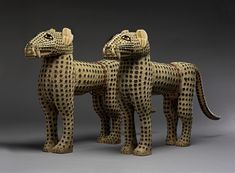
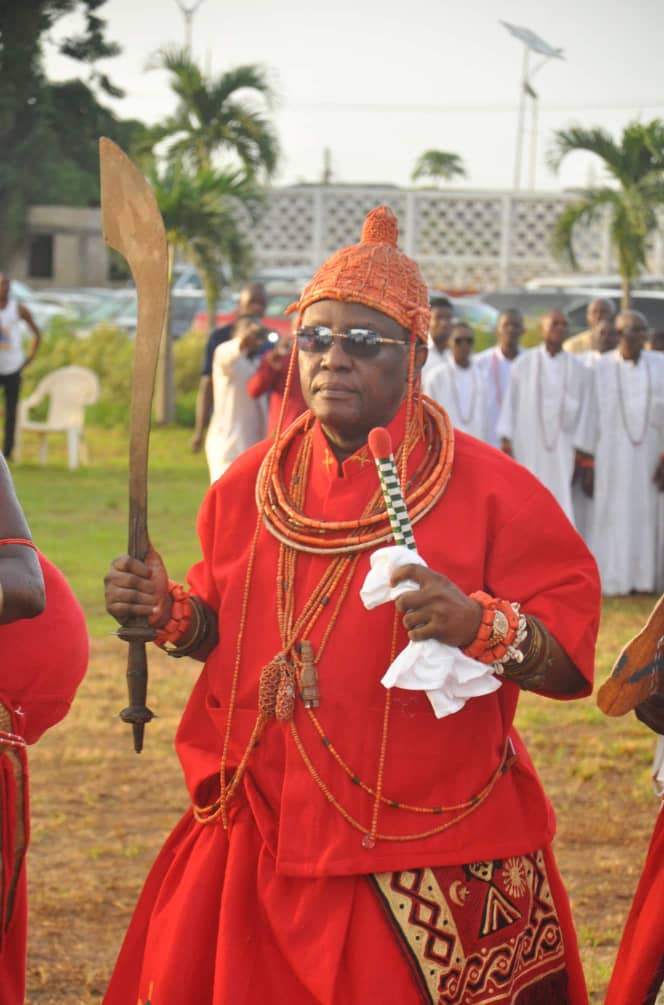
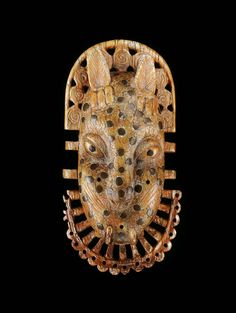
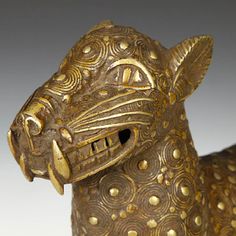
.jpeg)
.jpg)
BAF GLOBA
KNOWTHYSELF
.THE BENIN BROTHERHOOD EDO AND IKA AGBOR
.The Interconnected History of the Ika and Edo People of Nigeria: Exploring their Shared Heritage is a groundbreaking research paper that delves into the deep historical connections between the Ika and Edo peoples of Nigeria. The paper highlights the shared heritage, cultural similarities, and historical interactions between these two ethnic groups, shedding light on a lesser-known aspect of Nigerian history.Through meticulous research and analysis, the paper explores how the Ika and Edo people have been interconnected for centuries, with evidence of trade relationships, migration patterns, and cultural exchanges dating back to ancient times. The researchers draw on a wide range of historical sources, oral traditions, and archaeological findings to piece together the intricate tapestry of the Ika and Edo people's shared history.One of the key findings of the paper is the significant influence of the Benin Kingdom on the development of the Ika people's culture and society. The researchers demonstrate how the Edo people's advanced political structure, artistic traditions, and religious practices have left a lasting impact on the Ika community, shaping their identity and worldview.Moreover, the paper also sheds light on the resilience and adaptability of the Ika people in the face of external influences, showcasing how they have preserved their cultural distinctiveness while also embracing elements of Edo culture. This nuanced exploration of the interconnected history of the Ika and Edo people challenges conventional narratives of Nigerian history and offers a more holistic understanding of the complex dynamics between different ethnic groups in the region.Overall, The Interconnected History of the Ika and Edo People of Nigeria is a seminal work that contributes significantly to the field of African history and heritage studies, offering new insights into the shared roots and intertwined destinies of these two vibrant communities.
.jpg)
.jpg)
.jpg)
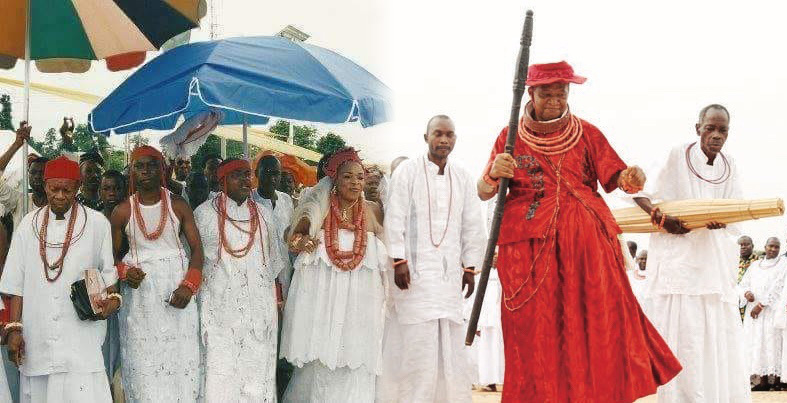
.jpg)
.jpg)
.jpg)
.jpg)
.jpg)
.jpg)
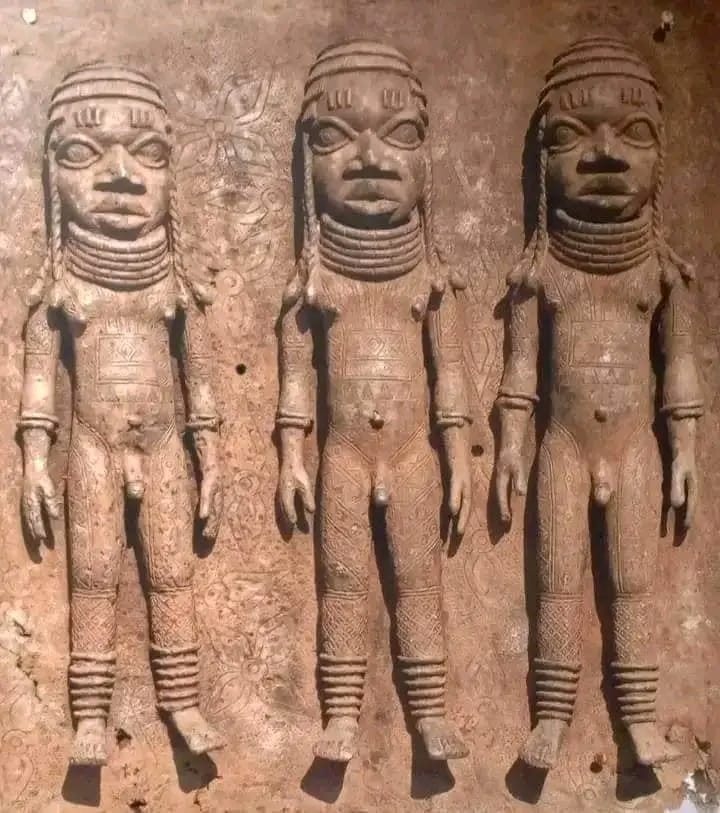
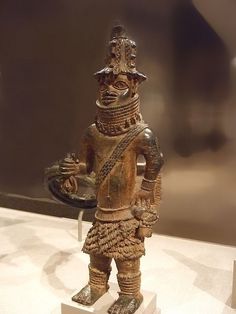
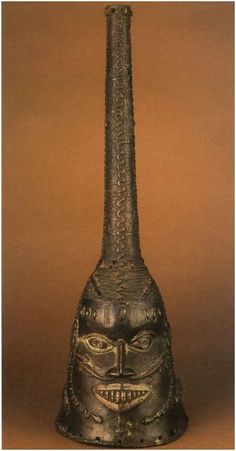
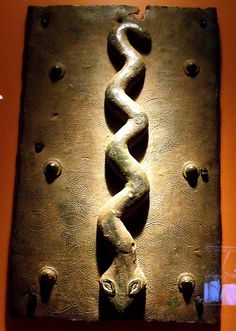
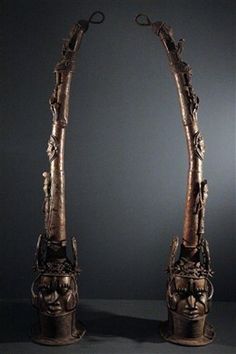
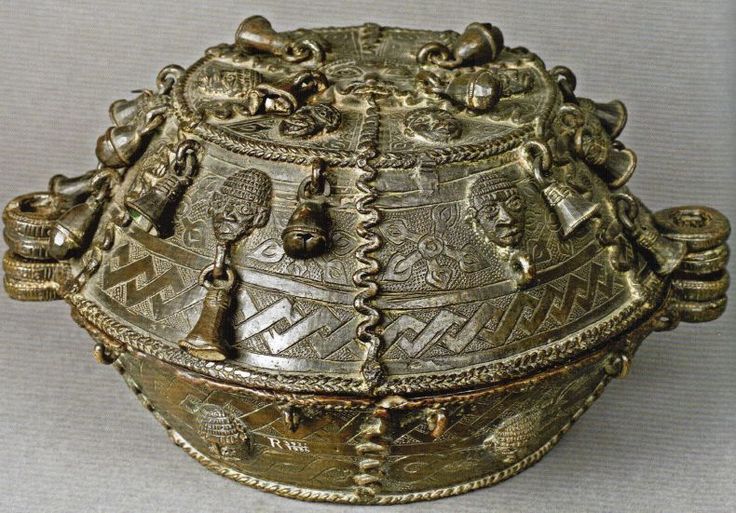
.20th OBA of Benin Kingdom OBA Ohuan {About1606AD-1641AD) By Greatest EDO The handsomeness of prince odogbo made the people of Benin empire to believe he was a lady in disguise,so this was also a tough time for OBA EHENGBUDA his father,the people said not until he proved prince odogbo to be a man they wouldn't allow him suceed his father after his demise,so the OBA ordered prince odogbo to go naked and walked from Egua edaiken around Uselu in Benin today,down to the OBA's palace around ringroad,he walked naked with all his subjects naked as well,the people then confirmed he was a man by seeing his down below(embarrassing right? This was how tough the people of Benin were,they value the person that sits on that throne,so this is still a point to prove to lle ife people that if Oduduwa wasn't Benin,the people of Benin wouldn't allow oramiyan to succeed his grandfather) The artefact below is the original artefact made by the bronze casters to remember the day prince odogbo walked down to his father's palace in benin he's in the middle with his subjects at his left and right. Odogbo was the only surviving son of Oba Ehengbuda. He was installed about 1606 and took the title OBA Ohuan. He was aware of the violation of his father’s wife by Iyase Ogina and was determined to revenge this action. He ordered Iyase Ogina to vacate the City. Iyase Ogina advised the young Oba to be patient, but the Oba refused. Ogina then agreed to leave but he would take the city with him. They then resorted to a test of supernatural strengthen which Ogina had initial advantage. Oba Ohuan was advised to strengthen his supernatural powers. He went to Evbuohuan where he strengthened himself for several months. He returned to the City and was joined by the chiefs. They ordered Ogina to leave the City and affected this order by throwing eggs, snails and tortoises at him and swearing “You have been quenched and will vacate Benin”. Ogina left and settled in Okogo where he was deified. In the course of this struggle, Oba Ohuan became a very big doctor, physician and telepathist. He joined his ancestors about 1656 and he was childless. He was succeeded by a great grandson of Oba Orhoghua who was installed with the title Ahenzae. Five other princes from various Obas followed in succession namely Akenzae, Akengboi, Akenkpaye, Akengbedo and Oreoghene. These six Obas reigned between about. 1656 and about 1701 A.D
THE BENIN BROTHERHOOD EDO AND IKA
.The blog post delves into the fascinating linguistic connections between the Ika and Edo people of Nigeria, shedding light on how language plays a crucial role in uniting these two distinct ethnic groups. Language is not only a means of communication but also a powerful tool for preserving cultural heritage and fostering a sense of identity and belonging.The post highlights that both the Ika and Edo people speak similar languages that belong to the Edoid subgroup of the larger Niger-Congo language family. This linguistic similarity serves as a unifying factor that strengthens the bond between the two groups. Despite the geographical and cultural differences that exist between them, their shared language creates a sense of kinship and mutual understanding.Furthermore, the blog post discusses how language serves as a bridge for cultural exchange and interaction between the Ika and Edo people. It enables them to communicate, share ideas, and engage in activities that promote unity and cooperation. Through language, they are able to celebrate their shared history, traditions, and values, fostering a sense of solidarity and community.Overall, the blog post emphasizes the importance of language in preserving and promoting the rich cultural heritage of the Ika and Edo people. By recognizing and celebrating their linguistic connections, they can strengthen their bond, enhance mutual respect, and work together towards a common goal of unity and progress. Language truly plays a pivotal role in uniting people, transcending barriers and fostering a sense of togetherness and harmony.
.THE BENIN BROTHERHOOD EDO AND IKA
Edo and Ika: A Shared Heritage
. The Role of Language in Uniting the Ika and Edo People: A Look at their Linguistic Connections is an insightful article that delves into the linguistic similarities between the Ika and Edo people of Nigeria. The article highlights how language plays a crucial role in bridging cultural divides and fostering unity among different ethnic groups.One of the key points discussed in the article is the shared linguistic heritage between the Ika and Edo people. Despite belonging to distinct ethnic groups, both communities speak languages that are closely related and share common linguistic features. This linguistic connection serves as a unifying factor that promotes mutual understanding and cooperation between the two groups.Furthermore, the article explores how language serves as a medium for preserving and passing down cultural traditions and values. The Ika and Edo languages are repositories of the rich history, folklore, and heritage of their respective communities. By preserving and promoting their languages, the Ika and Edo people are able to maintain a strong sense of cultural identity and pride.Moreover, the article also emphasizes the importance of language in fostering communication and social cohesion within the Ika and Edo communities. Language serves as a tool for expressing thoughts, emotions, and ideas, as well as for building relationships and fostering a sense of belonging among community members.In conclusion, The Role of Language in Uniting the Ika and Edo People: A Look at their Linguistic Connections sheds light on the profound impact of language in fostering unity, preserving cultural heritage, and promoting social cohesion among diverse ethnic groups. It underscores the importance of recognizing and celebrating linguistic connections as a means of promoting understanding and harmony among different communities.
Edo and Ika: A Shared Heritage
The Edo and Ika peoples of Nigeria share a rich history and cultural heritage, profoundly shaped by their linguistic connections. Their languages, while distinct, exhibit significant similarities, revealing a common ancestral root and fostering a sense of shared identity. This linguistic bond has played a crucial role in facilitating communication, cooperation, and cultural exchange between the two groups throughout history. The preservation of these languages is vital for safeguarding the unique traditions, folklore, and historical narratives of both the Edo and Ika communities. By understanding and appreciating these linguistic links, we can gain a deeper insight into the interconnectedness of their cultures and the enduring strength of their shared heritage. This shared linguistic foundation continues to support social cohesion and a sense of unity within and between the communities.
Edo and Ika: A Shared Linguistic Legacy
Exploring the Deep Roots of a Shared Culture
Unveiling the Connections
The Edo and Ika peoples of Nigeria share a remarkable cultural tapestry, intricately woven by their linguistic heritage. While possessing distinct dialects, their languages reveal striking similarities, pointing to a common ancestor and a powerful sense of shared identity. This linguistic bond has fostered communication, collaboration, and vibrant cultural exchange throughout history. Preserving these languages is paramount, safeguarding the unique traditions, folklore, and historical narratives of both communities. Understanding these linguistic links provides invaluable insight into the rich interconnectedness of their cultures and the enduring strength of their shared heritage. This shared linguistic foundation continues to be a cornerstone of social cohesion and unity.
Edo and Ika: A Shared Heritage
The Edo and Ika peoples of Nigeria share a rich history and cultural heritage, profoundly shaped by their linguistic connections. Their languages, while distinct, exhibit significant similarities, revealing a common ancestral root and fostering a sense of shared identity. This linguistic bond has played a crucial role in facilitating communication, cooperation, and cultural exchange between the two groups throughout history. The preservation of these languages is vital for safeguarding the unique traditions, folklore, and historical narratives of both the Edo and Ika communities. By understanding and appreciating these linguistic links, we can gain a deeper insight into the interconnectedness of their cultures and the enduring strength of their shared heritage. This shared linguistic foundation continues to support social cohesion and a sense of unity within and between the communities.
Edo and Ika: A Shared Linguistic Legacy
Exploring the Deep Roots of a Shared Cultural Identity
A Tapestry Woven in Words
The Edo and Ika peoples of Nigeria share a remarkable history, deeply intertwined through their languages. Despite their distinct dialects, these languages reveal a common ancestor, fostering a powerful sense of shared identity. This linguistic bond has been instrumental in promoting communication, collaboration, and cultural exchange throughout their history. Preserving these languages is paramount to safeguarding the rich traditions, folklore, and historical narratives of both communities. Understanding these linguistic connections offers invaluable insight into the interwoven nature of their cultures and the enduring strength of their shared heritage. This linguistic foundation continues to strengthen social cohesion and unity.
The history of the Esan people of Nigeria
L.The Esan people are an ethnic group located in the Edo State of Nigeria. They are known for their rich cultural heritage, traditional practices, and unique language, which sets them apart from other ethnic groups in the region. The history of the Esan people is a fascinating subject that has been the focus of numerous research papers and studies.One key aspect of Esan history is their migration and settlement in the region. It is believed that the Esan people migrated from the Benin Kingdom in the 15th century and settled in the area now known as Esanland. They established a distinct society with its own political and social structures, which have evolved over time.Another important aspect of Esan history is their interaction with other ethnic groups in the region. The Esan people have a long history of trade and cultural exchange with neighboring groups, such as the Edo and Igbo people. These interactions have influenced Esan culture and traditions, leading to a unique blend of customs and beliefs.Furthermore, the Esan people have a rich oral tradition that has been passed down through generations. This tradition includes myths, legends, and stories that provide insights into the history and beliefs of the Esan people. Researchers have studied these oral traditions to gain a deeper understanding of Esan culture and society.Overall, the history of the Esan people is a complex and multifaceted subject that continues to fascinate researchers and scholars. By studying their migration, interactions with other ethnic groups, and oral traditions, we can gain a better understanding of the rich and diverse culture of the Esan people.
The Esan people of Nigeria are known for their bravery and resilience in the face of adversity. They are a proud ethnic group that inhabits the Esanland region in Edo State, Nigeria. The Esan people have a rich cultural heritage, with a history that dates back centuries. They are known for their strong sense of community and unity, as well as their dedication to preserving their traditions and customs.One of the defining characteristics of the Esan people is their bravery. Throughout history, the Esan people have been known to stand up against oppression and injustice. They have fought against colonial rule, resisted slavery, and defended their land from external threats. The Esan people have a long tradition of warrior culture, with many of their ancestors being renowned for their bravery in battle.In addition to their bravery, the Esan people are also known for their resilience. Despite facing many challenges over the years, including political instability, economic hardship, and social unrest, the Esan people have always managed to bounce back and rebuild their communities. They have a strong work ethic and a determination to overcome any obstacles that come their way.The Esan people have also made significant contributions to Nigerian society in various fields, including politics, education, and the arts. Many prominent figures in Nigerian history have been of Esan descent, and the Esan people continue to play a vital role in shaping the future of their country.In conclusion, the brave Esan people of Nigeria are a proud and resilient ethnic group with a rich cultural heritage. They have a long history of standing up against injustice and oppression, and they continue to make valuable contributions to Nigerian society. The Esan people serve as an inspiration to all who value courage, unity, and determination.
y.The Esan people, also known as the Ishan, are an ethnic group in Edo State, Nigeria. They have a rich culture and traditions that have been passed down through generations. In a research paper on the culture and traditions of the Esan people, one would explore various aspects of their way of life, beliefs, customs, and practices.One important aspect of Esan culture is their traditional religion, which is a blend of animism and ancestor worship. They believe in various deities and spirits that govern different aspects of life, and they perform rituals and ceremonies to appease these entities. These rituals often involve music, dance, and elaborate costumes.Another important aspect of Esan culture is their traditional festivals and ceremonies. One of the most famous festivals is the Udo festival, which is a celebration of the New Yam harvest. During this festival, the community comes together to give thanks to the gods for a bountiful harvest and to pray for prosperity in the coming year. The festival is marked by feasting, music, dance, and cultural performances.The Esan people also have a rich tradition of storytelling and oral history. They have a vast repertoire of myths, legends, and folktales that are passed down through generations. These stories often contain moral lessons and serve to educate and entertain the community.In addition to their spiritual beliefs and festivals, the Esan people also have a rich artistic tradition. They are known for their intricate woodcarvings, pottery, beadwork, and traditional textiles. These art forms are not only beautiful but also serve as a way to preserve and pass on their cultural heritage.Overall, a research paper on the culture and traditions of the Esan people would provide valuable insights into a vibrant and unique community with a deep connection to their history and traditions.
THE HIDDEN GEM OF AFRICA
.The Benin Empire, located in present-day Nigeria, is a hidden gem of Africa that has a rich and fascinating history. Despite being one of the oldest and most powerful empires in West Africa, the Benin Empire is often overshadowed by other more well-known African civilizations.The Benin Empire was established in the 11th century and lasted until the late 19th century when it was annexed by the British Empire. The empire was known for its highly developed political system, advanced military tactics, and impressive artistic achievements. The Benin people were skilled artisans, renowned for their intricate bronze and ivory artwork, which adorned the royal palace and other important buildings in the capital city of Benin City.The empire's military prowess was also legendary, with a well-trained army that used sophisticated tactics and weapons to defend its borders and expand its territory. The Benin Empire controlled a vast area of land, encompassing parts of present-day Nigeria, Togo, and Ghana, and established a complex network of trade routes that connected it to other civilizations in Africa and beyond.Despite its impressive achievements, the Benin Empire is often overlooked in discussions of African history. This is due in part to the destruction of much of its cultural heritage by the British during their annexation of the empire in 1897. However, in recent years, efforts have been made to preserve and promote the legacy of the Benin Empire, including the return of stolen artifacts and the restoration of historical sites.In conclusion, the Benin Empire is a hidden gem of Africa that deserves more recognition for its significant contributions to the continent's history and culture. By learning about and celebrating the legacy of the Benin Empire, we can gain a deeper understanding of Africa's rich and diverse past.
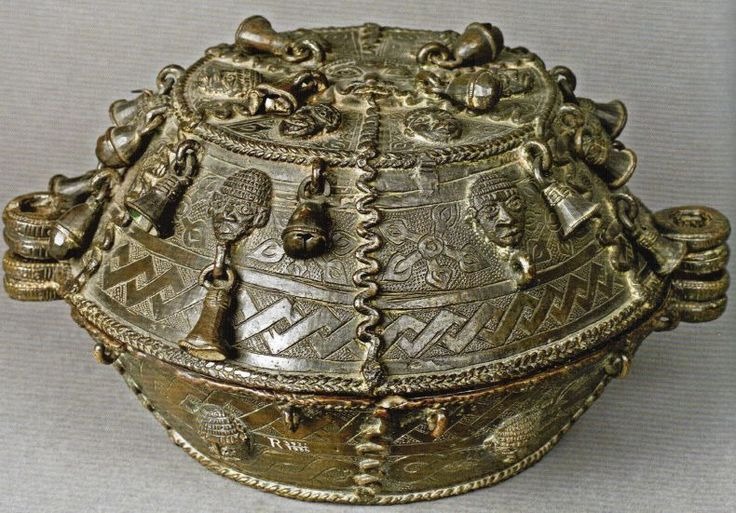
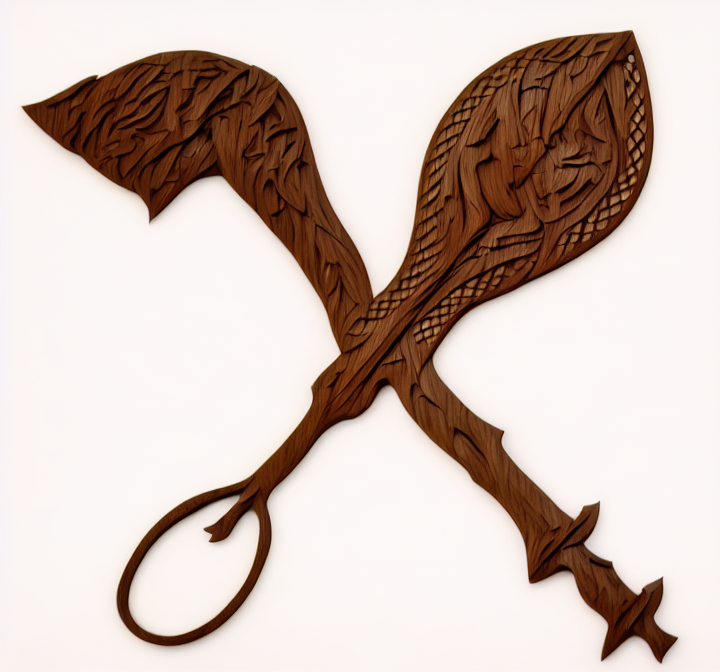
THE BENIN EMPIRE EVOLUTION WITHOUT LIMIT.
.The Benin empire was a powerful African kingdom that flourished between the 14th and 17th centuries. The empire was located in what is now southern Nigeria and was renowned for its rich culture and art. The Benin empire was eventually conquered by the British in 1897, but its legacy continues to inspire Africans today.The Benin empire was founded by the Edo people, who were skilled ironworkers and craftsmen. The empire reached its height under the rule of Oba Ewuare the Great, who oversaw a period of economic and cultural growth. The Benin empire was famous for its beautiful art, which featured intricate bronze and ivory sculptures.The Benin empire ultimately fell to the British, who were seeking to control the lucrative trade routes in Africa. The British sacked the city of Benin, destroying much of the art and culture that had been created there.Despite the tragic end of the Benin empire, its legacy continues to inspire Africans today. The empire was a powerful example of what African kingdoms could achieve. The art and culture of the Benin empire is still celebrated and appreciated by people all over the world.
.The Edo people are a proud and ancient group
The Edo people are a proud and ancient group with a rich history and vibrant culture. We are primarily located in the southern part of Nigeria, specifically in the Edo State. Our roots can be traced back to the ancient Benin Empire, which was one of the most powerful and advanced kingdoms in West Africa.The Edo people are known for their skilled craftsmanship, particularly in bronze and ivory work. Our ancestors were renowned for their intricate artistry, creating beautiful sculptures and artifacts that are still admired and studied today.Our culture is deeply rooted in tradition and customs that have been passed down through generations. We place a strong emphasis on respect for elders, community values, and the importance of family.The Edo language, also known as Bini, is a major part of our identity and is spoken by millions of people in Nigeria. Our traditional attire, music, and dance are all important aspects of our cultural heritage that we continue to celebrate and preserve.As a people, we have faced many challenges throughout history, including colonization and the impact of the transatlantic slave trade. Despite these hardships, we have remained resilient and have continued to uphold our traditions and values.Today, the Edo people are a diverse and dynamic group, with many living both within Nigeria and around the world. We take pride in our heritage and are committed to preserving our unique identity for future generations to come. with a rich history and vibrant culture. We are primarily located in the southern part of Nigeria, specifically in the Edo State. Our roots can be traced back to the ancient Benin Empire, which was one of the most powerful and advanced kingdoms in West Africa.The Edo people are known for their skilled craftsmanship, particularly in bronze and ivory work. Our ancestors were renowned for their intricate artistry, creating beautiful sculptures and artifacts that are still admired and studied today.Our culture is deeply rooted in tradition and customs that have been passed down through generations. We place a strong emphasis on respect for elders, community values, and the importance of family.The Edo language, also known as Bini, is a major part of our identity and is spoken by millions of people in Nigeria. Our traditional attire, music, and dance are all important aspects of our cultural heritage that we continue to celebrate and preserve.As a people, we have faced many challenges throughout history, including colonization and the impact of the transatlantic slave trade. Despite these hardships, we have remained resilient and have continued to uphold our traditions and values.Today, the Edo people are a diverse and dynamic group, with many living both within Nigeria and around the world. We take pride in our heritage and are committed to preserving our unique identity for future generations to come.
The Edo people are a proud and ancient group with a rich history and vibrant culture. We are primarily located in the southern part of Nigeria, specifically in the Edo State. Our roots can be traced back to the ancient Benin Empire, which was one of the most powerful and advanced kingdoms in West Africa.The Edo people are known for their skilled craftsmanship, particularly in bronze and ivory work. Our ancestors were renowned for their intricate artistry, creating beautiful sculptures and artifacts that are still admired and studied today.Our culture is deeply rooted in tradition and customs that have been passed down through generations. We place a strong emphasis on respect for elders, community values, and the importance of family.The Edo language, also known as Bini, is a major part of our identity and is spoken by millions of people in Nigeria. Our traditional attire, music, and dance are all important aspects of our cultural heritage that we continue to celebrate and preserve.As a people, we have faced many challenges throughout history, including colonization and the impact of the transatlantic slave trade. Despite these hardships, we have remained resilient and have continued to uphold our traditions and values.Today, the Edo people are a diverse and dynamic group, with many living both within Nigeria and around the world. We take pride in our heritage and are committed to preserving our unique identity for future generations to come.
e.The Edo women of Nigeria are a strong and independent people. They have a long history of fighting for their rights and for the rights of others. The Edo women have been at the forefront of the fight for equality and justice in Nigeria. They have played a major role in the country's political and social development. The Edo women are a force to be reckoned with. They are intelligent, hardworking, and determined. They are also very beautiful. The Edo women are an inspiration to all women in Nigeria and around the world.
— A Client
.The Edo people are an ethnic group who live in Edo State, Nigeria. They are also known as the Benin people. The Edo people are proud and honourable. They are known for their hard work and discipline. The Edo people are also known for their rich culture and traditions. They have a strong sense of family and community. The Edo people are known for their hospitality and generosity.
— A Client
Celebrating the Accomplishments of the Edo Nation of Nigeria
y.This blog post will take a look at the rich cultural accomplishments of the Edo Nation, an ethnic group located in the Niger Delta region of Nigeria. We'll explore how the Edo Empire was one of the most powerful and influential in Nigeria's history and how the Edo people have continued to develop and thrive in spite of centuries of internal and external conflicts. We will also look at some of the unique and beautiful artistic expressions of the Edo culture that have endured the test of time and The Power and Influence of the Edo Empire ,Legacy Of Edo In Nigeria Paragraph The Edos of Nigeria have been impactful and influential to the country since its founding They have achieved great successes and milestones that are now part of Nigerian culture and history These accomplishments range from political victories to scientific advances, providing a lasting legacy for the coming generations Paragraph The Edos were instrumental in establishing government institutions such as courts, schools, hospitals, markets, roads and other infrastructure which helped drive development in their native land The Edos also had a powerful military that was effective in defending against external threats while allowing internal prosperity to flourish within the nation’s borders Paragraph Beyond politics and economics achievements by the Edo people are vast when it comes to artistry Music is an integral part of daily life amongst them; creating traditional forms like Benin Highlife that has spread across all parts of Nigeria today - showcasing how the music scene shaped by this tribe impacted many more cultures beyond its own region Along with musical performances come visual arts – sculptures of elephant hunting scenes portray a vibrant cultural heritage through beautiful works of art created using various materials such as ivory or clay statues depicting court processions or royal occasions Paragraph Edo Nigerians have also contributed significantly towards knowledge advancement in fields such as medicine , mathematics astronomy and literature From inventing advanced methods for farming irrigation systems , developing therapeutic drugs used in healing sick patients to learning new ways that allowed calendars forecasting future events Education served not only as a source of pride but one where people could learn something practical they use back home Finally there is mnuch success found religious activities among edo peoples too including the invention devotionals ritual prayer services designed especially long lasting peace among members living together peacefully practicing shared faith beliefs& practices making up strong communities Paragraph All these successes bring distinction to thisEdonation & allows him/her feeling proud representing them& having confidence contributingto society on national & global scale thus helping secure proper recognition & respect throughoutNigeria & beyondinnovating timeless monuments dedicated each achievement celebrated foreverfor centuries ahead demonstrating power influence potential hardwork dedication gifts offeredbythese heroic citizensofnigeria!
.jpeg)
.Defying the Odds Edo Tribes Thrive in the Face of Conflict ,Victories of Edo People In Nigeria Paragraph The Edos are an ancient group of people who have made a tremendous impact on the history and culture of Nigerian society For centuries they have defied the odds in the face of conflict, creating successful kingdoms and societies that continue to thrive today The accomplishments, achievements and successes by this Population is remarkable and deserves recognition Paragraph Edo Tribes have made significant contributions to Nigerian Society in many areas such as art, science, technology , education and more From producing some of Nigeria’s most renowned artists to developing groundbreaking medical treatments for diseases common to rural areas; their work has seen great success throughout Nigeria’s diverse landscapes They have also inspired a spirit of pride amongst the citizens regardless of their background or province through their progressive attitudes towards life which inspires others around them Paragraph The legacy left behind by Edo Nigerians is undeniable; they have been able triumph against great adversity with strength rather than violence or warfare alone despite being at times severely outnumbered by opposing forces Through ingenuity and determination these people were able to create one nations from multiple cities within a region- defying all odds along the way Henceforth inspiring other citizen within neighbouring nations as well Paragraph The victories that come with these feats are celebrated even today - Their milestones influencing generations ahead With having produced several notable figures including former president Obasanjo it is not hard for any onlooker to see how far reaching these efforts are especially when placed beside impressive stories like Benin City building its own infrastructure before modern day utilities like electricity reached its walls! Paragraph The progress that comes along with each battle won leaves behind lasting impacts allowing further generations access privileges unimaginable years prior ; Providing opportunities never dreamed off prior! Making educational strides forward while preserving age old traditions only adds power too its resolve - Proudly showing it's world what can be achieved even against impossible odds !
.The Artistic Legacy of the Edo Nation Paragraph The Edo Nation of Nigeria has a long and rich cultural and artistic legacy that spans centuries From the ancient Benin civilizations to modern-day Edo people, their culture, art, and literature have left an indelible mark on the Nigerian landscape Through traditional music, dance, visual arts such as bronze casting and painting, poetry writing, opera singing and drumming -all originating from the EDo nation- they have been able to sustain their culture in a fast-changing world Paragraph The Edos are credited with several accomplishments throughout history which includes preserving some of Africa’s oldest forms of religious beliefs and practices such as ancestor worship through ancestral shrines or "ekpu" They also established strong political structures like those seen in Oba Systems dating back to the th century where small states were ruled by Kings or Obas who had large palaces surrounded by high walls providing protection for their people This form of governance persists today amongst many Igbo communities in Nigeria due largely to its success rate practiced by The Edos over centuries past Paragraph The successes made by the edos are not only restricted to meaningful historical artifacts but also extend into other facets including advancements in education; medical science & health care initiatives; advances in technological development; contribution to international politics & sport achievements; global innovation of literature attributed directly or indirectly towards inspiring generations far beyond timelines via films/televisions series telling stories driven mainly from African cultures Paragraph Some notable landmarks include the expansion of urbanization under great obas leading up until British colonization commonly known as ‘Benin Empire’ , thus making it one largest pre-colonial empires found within West Africa during th -th century followed closely behind powerful monarchical system that allowed for successful trade among European merchants alongside dignitaries representing local villages – All occurring orchestrally without any hiatuses demonstrated till this day through relics found scattered around city centers located within major cities having eDOs roots intertwined deeply embedded inside them Paragraph Thus laying down framework referred most lovingly (but historically accurate when reminiscing upon its title “Gateway To Europe” coined between th – th century along periods highlighted earlier regarding Empires persistent growth extending further than just marco factors traditionally observed but moving onto precocious milestones achieved across diverse spectrum starting right at grassroot level offering financial security toward otherwise troubled lands Ultimately allowing plethora information passed down generation after generation creating chain link effect fostering strong communal ties amongst today's current Nigerians deeming EDO Nation one unique symbolize proudness proud sense accomplishment radiating across oceans
Successes and Progress Made by the Edos in Nigeria
k.Successes and Progress Made by the Edos in Nigeria The Edo Nation of Nigeria is renowned for its diverse and vibrant culture, rich history, and strong sense of community The region’s people are credited with many accomplishments over the centuries that have had a major impact on their lives as well as the country itself From economic development to political influence to cultural expression, the Edos have achieved much in this part of Africa In this comprehensive guide we will look at some of these successes and accomplishments made by the Edos through time in order to gain insight into their legacy and understanding of how they’ve contributed so significantly to Nigerian society today One area where the Edo nation has been particularly successful is politics, specifically within local government positions like mayorships, governorships and state assemblies across Nigeria This success dates all way back to colonial periods when certain members of royal families were appointed rulers under British rule before independence was declared in – showing how important the connection between traditional royalty and governance has been historically for this people group over time! Furthermore we can see more recent examples such as Governor Lucky Igbinedion's impressive three-term tenure ( – , which saw him become one of only six incumbent Governors who had served successive terms without interruption during those years - a feat made possible due largely by his ability both politically savvy enough make decisions that would be accepted by both his fellow Nigerians from other parts regions but also internationally through foreign relations with European countries he visited during this period too! The EDo people are known for their resilience when it comes to achieving economic growth through enterprise development initiatives based around farming activities such as palm oil production or cocoa bean harvesting; traditional trade routes involving trading manufactured goods like cloths/beads plus services offered locally including transportation services between townships or river transport etcetera; small scale businesses opening up shop on any given street corner selling snacks/drinks etcetera; finally working abroad either seasonally (e g wild animal hunting or permanently with an African diaspora now emanating throughout Europe North America Australia even places like Japan where communities establish themselves there exhibiting great courage tenacity yet again demonstrating resourcefulness despite living relatively far away from home soil! All these activities combined undoubtedly help improve quality life standards enable individuals rise out poverty achieve financial stability regardless nationality origin making them worthy role models younger generations follow lead seek after similar goals Legacy left behind from previous generations cannot be forgotten but must be understood appreciated ensure future prosperity As well historians alike agree long lasting impression Influential men women lived times continue inspire rest us what did do land preserved amongst present company Taking example Esigie th Oba Benin Kingdom remarkable individual whose reign brought about unprecedented changes kingdom introducing religious beliefs creating wealth stability province setting foundations subsequent leaders build upon something need discussed talked analysed further
IT Strategy & Consulting
Achievements and Advancements by the Edos in Nigeria
Lorem Ipsum has been the industry's standard dummy text ever since the 1500s, when an unknown printer took a galley of type and scrambled it to make a type specimen book.Paragraph The Edo people have been a major contributor to the success of Nigeria as a nation From innovations in medicine, education and other areas to providing guidance on social issues, the Edos consistently strive towards improvement and progress throughout their country For centuries they have held strong traditions that were adopted by other tribes and cultures in order to keep alive traditional values that ensure stability, peace, unity and growth Paragraph Achievements by the Edo people can be seen in many of Nigeria’s great accomplishments over the years One example is when Benin City was declared an UNESCO World Heritage Site due to its impressive cultural heritage sites related to ancient African empires such as Yam kingdom, Igbomina kingdom and Uige kingdom which are believed to significantly impact culture today Paragraph Furthermore so much knowledge has been shared within Nigerian society from these Tribes such as technology for fishing methods used for sustainable living or practical medicinal remedies passed down from generations which are known around the world today Not only this but also a rich language used within indigenous communities remains preserved until present times despite forces attempting destruction it due to its complexity yet seen commonly amongst all Nigerians itself even after colonisation left its influence behind long ago Paragraph In addition hugely successful political figures come from this region with Kenneth Dike one example who was crucial in founding first universities within Nigeria however there is still plenty more work needed towards creating educational equality across regions like Lagos where opportunities aren't always accessible regardless of class or location Progress continuous made with new emerging businesses come forth particularly involving women entrepreneurs who benefit greatly from training provided by both local governments abroad encouraging diversity through equal opportunity allowing realisation of potential dreams into fruition Paragraph The enduring legacy which lives on shows how far progression had gone just before our time-achievements every day made provide inspiration for future generations bringing up hopes for tomorrow under strong leadership guiding harmony unifying diverse groups not only limited towards internal borders expanding wholeheartedly outside too hence if paying tribute should turn attention toward true heroes hailed highly without recognition received here nevertheless remembered foreverwords reign mighty might Ethiopean roots leaded laugted way out brightly fashioned ivory clay streets indigeneous lands golden forever never we forget!
Beyond what you see.Celebrating the Contributions of the Edos to Nigerian Society
Contribution Of Edo People To The Nigerian Economy Paragraph The Edos are one of the largest ethnic groups in Nigeria and their achievements have enriched the nation’s history for centuries They are known for their enterprise, ingenuity and creativity which has made them a major contributor to the country's economy Not only this, their culture is well-known and celebrated across Nigeria with its deep-rooted traditions, music and art forms contributing to an ongoing legacy in modern society too Paragraph The contributions that Edo people have made to Nigerian society can be seen through many different avenues such as education, business and politics among others In terms of education they were an early adopter of formal systems when it comes to teaching young students important topics such as language skills, mathematics and even medicine due to the large amount of talented individuals living there at that time In addition they provided access higher learning institutions before other parts of the country had these facilities available making great strides towards advancement within society as a whole Paragraph In regard to business initiatives by Edo people exist from all over Nigeria ranging from small scale markets throughout rural areas or hand crafted items sold around cities like Benin City where it originated from providing employment opportunities for those who reside in each area increasing their social mobility ability Politically speaking ,Edo state was one of first states created during military rule period creating scope greater autonomy than existed prior giving rise new generation entrepreneurs working hard drive economic growth not just within region but beyond proving resilient nature spirit despite hardships faced time again along way Paragraph Furthermore ,the impact thatEdos had on religious life also notable visible today with vibrant churches temples found multiples places serving several denominations practices coexisting side by side forming part tapestry spiritual belief system encompasses entire continent Africa beyond showing shared values customs brings together communities regardless location established ties kinship between distant regions something remarkable achieving far reaching implications cannot be understated Paragraph In conclusion ,the successes achieved by Edos since beginning point out impressive accomplishments wide range fields clearly illustrate how integral contribution been both past present momentous progress continues forever redefining Nigerian Society landmark heights celebrating proud heritage unrivaled vibrancy unique cultural expressions sure maintain significant place annals chronicles lasting millennia come true testament strength resilience indomitable spirit proudly representing everywhere go always being respected remembered generations follow
Celebrating Edo Heritage
The Edo people of Nigeria boast a rich tapestry of history, marked by resilience, innovation, and cultural richness. Their influence extends across centuries, shaping Nigeria's identity in profound ways. From the flourishing Benin Empire to their pivotal role in the nation's modern history, the Edo legacy is one of remarkable achievement.
Enduring Legacy
The Edo's contributions are multifaceted. Their sophisticated bronze castings, renowned globally as Benin Bronzes, stand as testaments to their artistic mastery and advanced metallurgical skills. Their extensive trade networks, reaching as far as Portugal, demonstrate their economic prowess and global engagement. Their fight for independence from colonial rule underscores their unwavering spirit and determination for self-governance.
Your reliable partner.
.From their achievements to their inspiring words, the Edos have made a lasting impact on Nigeria Their contributions have inspired generations of Nigerians, and continue to shape the nation today As we look towards the future, it is important that we take time to recognize and celebrate the accomplishments of the Edo Nation of Nigeria and all they have done for our country
The Edo Nation of Nigeria is one of the most influential ethnic groups in the country They have a long and rich history that dates back centuries, spanning multiple generations and dynasties Through their accomplishments and achievements, they have left an indelible mark on Nigerian society as a wholeThe Edos are renowned for their resilience, innovation, creativity and strength which can be seen through many of their accomplishments throughout history such as being responsible for two distinct kingdoms within Nigeria; Benin Empire (Fourteenth – Nineteenth Century and Mid-Western Region between to Paragraph Throughout these respective time periods, there were numerous successes achieved by the Edo nation including trade networks established with Portugal in the Fifteenth century allowing slaves to be exchanged along with other goods such as ivory while at the same time becoming well known globally due to impressive artwork created by native artists particularly known for copper works depictions of animals like bronze sculptures featuring leopards, birds or antelope heads that all showcase advanced metallurgic knowledge beyond its times during this period called “Benin Bronzes” Paragraph In addition to trading success with European powers during early periods in history another major accomplishment was when Edo people managed to gain independence from British colonial rule in ensuring self governing status creating unified state governments based out of Benin city region which provided autonomy from any foreign power instilling pride amongst local populace further inspiring subsequent generations Furthermore culture flourished due various festivals practiced around new year celebrations promoting traditional customs music dance historic stories theatre plays etc providing much needed art appreciation even up until today Paragraph As previously mentioned earlier ,Edo people also had significant influence over mid-western part of nigeria especially since creation Western region initially gave them political restructure priority over other tribes attempting equalize control assistance given federal ministry giving regions other than northern states more grants public funding enabling several infrastructure projects constructed across lagos abuja calabar leading population increase influx migrate cities rural areas hoping better opportunities stable future careers closer access resources not available before Paragraph Therefore it is without any doubt clear legacy left behind edo nation has many successes milestones accomplishments achieved made historical significance continuing inspire present day nigerians sense hope assurance reach greater heights trials tribulations become core elements encourage empowerment trust deserved recognition globalization advancements global audience passionate independent outlook despite challenges face life strive progress growth realized enabled regardless age gender race occupation stand proud confident bright futures ahead live fullest aspirations set limits restricted boundaries whatsoever From their achievements to their inspiring words, the Edos have made a lasting impact on Nigeria Their contributions have inspired generations of Nigerians, and continue to shape the nation today As we look towards the future, it is important that we take time to recognize and celebrate the accomplishments of the Edo Nation of Nigeria and all they have done for our country
.Exploring the Unique Cultural Identity of Isoko People of Nigeria This blog post will explore the rich cultural identity of the Isoko people of Nigeria. We'll discuss the history of this ethnic group, its distinct language, clothing, food, and other cultural traits. From the traditional artform of o'ka to the delectable dishes served at events, we'll explore the unique aspects of Isoko culture. We'll also look at the various customs and traditions that make the Isoko people so unique, and how they have evolved over time. Finally
— A User
IDU: THE PROGENITOR AND THE DESCENDANTS
S Idu as progenitor existed before the Ogiso era with the three offsprings of Aka, Efa and Emehi besides other offsprings of males and females that dispersed all over the territory. Until elders amongst various settlements took on leadership of the central settlement of Igodomigodo. Where another eldest from the settlement at Udo arrived the city of Igodomigodo to become the Ogiso Igodo whose forebear was Odudu, after the four rotational clan heads of the Owere era. Obagodo or Ogiso Igodo was made Ọdiọn by the Owere as the Ọdiọn-owere (Ọdiọn of Owere), when Owere passed on because he lived long, they never believed he was dead, as the children and people could not believe. And they were afraid to enter his abode, they saw that the Ọdiọn already chosen by Owere must be the one to go into his abode it fell on the Ọdiọn amongst his deputies which became Ọdiọn-owere, and he became the Obagodo or Ogiso Igodo, who was succeeded by his son Ere. All from the Idu lineage, but when their population increased the Aka advanced to the Igala and east of Igodomigodo to the Agbor axis to form the Akkarai kingdoms, and by relationship with the few of Aka and majority of the Efa and Emehi the people of Igodomigodo thrived. They were the same that formed people of the Niger Delta. As they advanced in diverse migration dialects became infused with the changes of retaining some and modifying some words, and some words were disused and others retained words convenient to them. For example the Esan people have some deep Idu words retained and drop some while the Ubini (Benin) Ẹdo language have some deep Idu language and disused some. Today, the lighter dialects is common than the deeper Idu words in dialectical consideration. Except that to mask issues from the common people the deep Idu language is sedomly used in the palace discourse, to which commoners lack the understanding (aguẹ Ẹdo ai guẹ Ogbe). Those words of ancient Idu were retained in the palace at Ogbe. Those outside claiming to be Idu or Igodomigodo were not actually from the origin, but came into Idu or Igodomigodo earlier to settle with the original Idu-Edo people of Igodomigodo. Hence, the generations of those who actually remained were the Efa and Emehi, who still retained the deity of Idu as Progenitor of the spirit of Idu (Ẹrinmwidu), yet they were at one point referred to as people of Aka as the Urhobo called the Benin, and Agbor people would still referred to Benin people as Oyin'Idu, and the Itsekiri would say Ubini, Benin that naturalized in Onitsha would say Ado and to themselves were Onitsha Ado N'Idu. The Benin that are in the Southwest like Akure are referred to as Ado-Akure (Ẹdo-Ẹkuẹ/Ẹdo-n'Ẹkuẹ). Pa Idu as the progenitor was said to have origin from Ogbenalaka of the Igodomigodo, hence it was related of Idu as "Otọ Ogbe otọ Alaka na na biẹ Idu". The time of Idu became climaxed with expansion and exploration for the formation of the Ubini n'urria and Ubini n'owa, that led to the formation of pilgrimage center at the Benue-Plateau Trough near Kogi which was the first Uhẹ before the relationship of Igodomigodo and Ugboland founded a closer pilgrimage center as second Uhẹ (Ife) before the arrival of Ekaladerhan as Oduduwa in Ife. The relationship between the people of Benin and others were not established by the coming of Oduduwa or Oranmiyan, it has always been from the ancient times of the people of Igodomigodo and Ugboland and also with the people east of the Igodomigodo as the Akkarai kingdoms. So when people of Agbor are claiming to be part of Idu, it is not referring to the era of Benin only but by extension to the time of Idu the progenitor. The only aspect lost in antiquity is the era before Pa Idu came to the scene of developing Igodomigodo. Yet the Benin people that her neighbours may have seen as recent is older by contemporary and nomenclature than the Igbo and Yoruba nomenclature of the 19th century. (c) Paul Osa Igbineweka #OlaudahEquianoHeritageFoundationNigeria
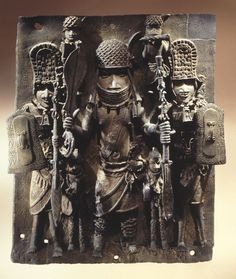
.Exploring the Unique Cultural Identity of Isoko People of Nigeria
This blog post will explore the rich cultural identity of the Isoko people of Nigeria. We'll discuss the history of this ethnic group, its distinct language, clothing, food, and other cultural traits. From the traditional artform of o'ka to the delectable dishes served at events, we'll explore the unique aspects of Isoko culture. We'll also look at the various customs and traditions that make the Isoko people so unique, and how they have evolved over time. Finally
Introduction to the Isoko Nigerian Tribe
The Isoko Nigerian Tribe is an ethnic group native to the Niger Delta region of Nigeria They are known for their unique cultural identity, distinct from other Nigerian ethnicities but still part of the greater West African culture and history This comprehensive guide aims to provide a thorough introduction to the Isoko Tribe, including its history, language and religion, as well as geography and customs in Nigeria and abroad Paragraph The people of Isoko come from a variety of backgrounds with varying languages and religions practiced across the country The majority religion among them is Christianity which has been strongly influenced by nearby Igbo tribes who practice a syncretic form incorporating traditional beliefs into their faith Additionally there are some pockets within Isoko that practice Islam as well as smaller groups practicing African Traditional Religions (ATRs Paragraph Geography plays an important role when it comes to understanding the Isokos in Nigeria; they inhabit many areas throughout the delta region including both land-based settlements such as townships or villages within waterways like creeks or rivers – serving dual purposes such fishing hubs while providing much needed shelter during times of flooding around this area When considering customs common amongst these communities one will find weddings being highly celebrated events often with elaborate rituals involved depending on where you visit within this tribe’s borders Paragraph Attention should also be given to social structures found among Nigeria's population; traditionally kinship ties play key roles amongst local politics especially so amongst certain clans within this particular tribe – members related through familial descent often seek out more powerful positions than those not related by blood even if qualifications would prove otherwise making things difficult at times for outsiders trying get ahead via playing along political lines here despite personal merits Paragraph Finally economics must also be taken into account here due largely because oil extraction activities have had disastrous impacts on many sectors especially tourism which was booming prior before large scale drilling operations took hold - leaving many once prosperous villagers impoverished or pushed further away seeking work elsewhere outside these lands draining resources slowly leading towards larger economic shifts felt globally due Nile Delta now no longer an advantageous location vis-à-vis petrostates around Africa today
Words from heart.
Melissa Sparks
.Language and Religion of the Isokos
The Isoko Nigerian Tribe is an ethnic group located in the Niger Delta region of Nigeria and has been apart of their culture for centuries They are known for their strong sense of unity, rich cultural identity and deep spiritual connection to their ancestral homeland Despite facing struggles due to political instability, economic hardship and lack of access to education amongst other challenges, the Isoko continue to remain resilient as a people Paragraph For generations the Isokos have shared a common language called Isoko spoken by approximately , speakers within Nigeria today as well as parts West African countries such Congo and Gabon They also share traditional religious beliefs with many villages hosting annual festivals celebrating deities or ancestors in honor of them while recognizing their importance within society still today Paragraph Geographically speaking, much of the land occupied by the Isoks is situated along swamps which provide bountiful fishing grounds essential for both sustenance agriculture activities and trade purposes alike between them and neighboring tribes creating closer relationships among communities that wouldn’t be connected otherwise before globalisation occurred decades ago Along with this comes unique customs such as different forms marriage practices allowing polygamy based on wealth among men thereby increasing social stability through regulation from elders all village level governance systems held responsible large problems affecting entire population small-scale ones concerning individuals households respectively over years since originating area currently reside current rate stability despite recent difficulties remain relatively high further enhancing position Yoruba Igbo counterparts elsewhere south western eastern states respectively providing secure home populations growing increasingly larger numbers each year compared neighbouring options alternative places settle Paragraph As aforementioned there has been ongoing political instability between local governments tribal leaders historical present day often leading reduced resources available school educational opportunities inhabitants ultimately resulting higher illiteracy rates lower levels qualification attainable requiring look external sources financing greater lengths order stay afloat long term effects seen wide range issues include poverty crime increased gang activity associated organised disruptions towards government plans change occurring quicker slower desired able effected multiple attempts failed improving previous conditions general state affairs instability continues plague country attitude citizens remaining largely unchanged favour rulers forced choose whether involve themselves rebel resulting possible reprisals authorities respond way best able keep peace maintain functioning state example lives protected innocent victims caught middle subjected undeserving fea rs dangers simply existing respective environment Paragraph In terms local economy despite hindered professional industry advancement hardworking nature population enabled exploit natural landscape full commercial potential surrounding areas thus becoming significant producers palm kernel oil rubber timber bringing increased revenues expanding marketing abroad beyond Africa strengthening independence fight against oppressors considerable source income lead numerous enterprises successfully benefit directly indirectly involved almost every citizen guarantee successful venture future production allowed undertaken optimum output sustainability maintained meeting daily needs product market demand changing times continuing ensure continued growth expansion fields too reducing reliance outside forces economic austerity reform ideals needed place control situation sustain living standard quality assurance traditional ways life upheld always while
Home is wherever I'm with you.Geography and Customs of the Isokos in Nigeria
By Katrine Klausen
.Isoko Nigerian Tribe The Isokos, also known as the Esan people, are an ethnic group situated in southern Nigeria who form part of the larger Edo-speaking peoples With a population of over four million spread across Delta and Bayelsa states, they are one of the largest ethnic groups in Nigeria Although these two regions are their traditional homeland, large numbers of Isukos now live throughout urban centres such as Lagos or Abuja Isoko Ethnic Group Historically speaking, the ancestors of today's Isokos can be traced back to ancient kingdoms that date from BC through to modern times when several distinct lineages coalesced into one ethno-linguistic identity that would become synonymous with those living in much more recent centuries -or today’s present-day nation state of Nigeria In terms of language and culture, it is believed that their ancestral roots lie within distinct Efik/Ibibio subgroups combined with Ancient Benin/Nigerian elements although other neighbouring Ijaw communities have certainly left a mark on both social practices and language too! People OfIsoko Nigeria A deep senseof ‘identity’ has been embraced by theIsokos since antiquityand continues to influencepeople livingin this region;it is reflected acrosstheir names ( often denotingtheir clan , clothing choices , physical appearance , oral tradition , religion and daily customs The extended family unit still plays a significant role too ;It serves asa unifying factorbutalsoinspires loyalty amongst its members which is demonstrated when celebrating achievements or during funerals whereby public displays ensurethat all communitymembersshow supportfor eachother In additiontothis strongsenseof 'togetherness' there existsanimmense respect amongsttheseindividualsthatappliesacrossgenerations -thereby allowing forthetransferringof customexpectationstraditionallyfrom grandparentsrightthroughto grandchildren! Language And ReligionOf TheIsokos Language wise,Esanis recognisedasthe main variantbutthismaydifferbetweendifferentregionswithinDelta State (South & Central Similarlyreligionwise Christianityis widespreadalthoughTraditional Africanbeliefscontinueto remainsignificant – notably ancestorworship& Ifa divinationDespite thisdiversity howeveralllanguages & religionsare respectedoneanotherwithinthesocial circles foundhereindeedharmony& tolerancepromotedonmanylevels Finallyitmustbe mentionedthatthe Urhobo people(who inhabitWestDeltaregion share alargenumberoffamilynamesandsimilarcustomswiththeIsoka tribe– Thissuggestsalargerscopeimb
The World Filled with Wonders.History of the Isoko People
The Isoko people of Nigeria are an ethnic group which has a long and varied history This blog post seeks to explore the history, culture, language, religion, geography and customs of the Isoko tribe in order to gain insight into their identity as a cultural minority in Nigeria Furthermore, it analyses the current political instability amongst this community as well as their economic activities and global impact on isokos today Paragraph Historical records suggest that the Isoko have been identified for at least six centuries by various writers from all over Africa Today they inhabit parts of Delta State located within Nigeria’s Southern region where traditional ceremonial practices still mark important aspects of their cultural beliefs and norms Further evidence indicates that earlier inhabitants of their locality may have migrated from Benin during AD or much later periods such as during AD when many isokos started out trading activities along coastal communities throughout West Africa establishing early commercial links with European merchants particularly from Portugal Paragraph The Isoko share similar religious ideologies to other Nigerians including Christianity – which predominates - followed closely by Igbo worldviews (a mix between anioma Christian tradition with some adherents following traditionally African religions such as ozo-oji worshiping ancestor spirits believed to protect them against evil forces whilst others venerate Ifa (oracular priests Language wise notable linguistic influences include pidgin English befitting most Nigerian dialects however due largely to intermarriage there’s also evidence suggesting familial ties between Yoruba speaking clans colloquially termed ‘ijesha’ meaning ‘talking-like-Yorubas’ occupied areas close neighbouring regions like Edo state Paragraph Geography wise landmass consists mainly low lying flat plains which form part riverside fringe settlements accessed via narrow dirt roads linked directly inland townships populated modern day housing complexes market stalls owned often proprietors albeit few exceptions making slightly higher income levels although majority local farmers earning subsistence wages through crop harvest associated agricultural production processes Considering these particular facts social structure relatively undifferentiated result whom identify primarily themselves based upon shared clan lineage rather than external wealth factors alternatively length employment terms individual members unit family determine general status quarter citizens engaged private sector jobs governmental civil service organizations steady source supplementing channels mentioned above accounting large percentage population size primary dependents either case segmentation further broken two categories widespread unmarried households headed male figureheads female counterparts marriage union agreement formation concrete expectation perpetuate ones ethnicity foundation while concurrently undertaking domestic housekeeping chores raising children fully playing roles mothers grandmothers siblings aunties uncles neighbours etcetera respectively thus providing clarity depiction role each plays Society unless course changeable administrative rule modifications introductions body statutory laws written specific purpose enact different regulations conforming bureaucratic system strategically implemented medium serving betterment entire collective managing greater potential
.jpeg)
.,Tourism and Event Highlights The Isoko people are an ethnic group located in the Delta State of Nigeria with a population estimate of about one million As a result, the culture and identity of the Isokos have been shaped over centuries by their distinct language, religion, geography, customs and social structure Additionally, this is a unique artform that originated from Western part of Africa known as O'ka Therefore, let’s dive deep into understanding these aspects including economic activities which have global implications to gain an insight into this tribe The most prominent language spoken among the Isokos is Izon but there also exists features of Urhobo-Isoko dialect sounds further adding richness to their cultural heritage Christianity is majorly practiced but other traditionalist religions such as Naksi act as syncretisms observed in certain areas across the coastlines like Ethiope , Sapele etc thus accounting for religious diversity spread widely amongst them advocating coexistence or ideological tolerance within society Geographically located on banks of River Niger & Benin delta lands with extended forests , lagoons provide rich biodiversity making it home for infrastructures like irrigation systems (ex Adagbrassa Lake aiding socio -economic activity around fishing ports & agricultural sites acting hub for exchanges through trade activities sustaining lifestyle & livelihoods in area This region is divided by small federations run under customary law over land ownership traditionally moderated by elders enjoying exclusive jurisdiction unlike urban areas prone to modern governmental regulations comparatively more potent than local traditions largely hindering rural development strategies integrated with regional reforms concerning last mile connectivity facilities for potential investors improving town center standards though investment portfolios advanced leveraging private sector solutions harnessing technology driven boom which follows government committed initiatives maintaining zero balance between nature conservation bringing harmony life below poverty line jointly arising ecotourism plans growing aesthetic characteristics offering sightseeing experiences thereby driving microcredit organizations uplifting entrepreneurs vouching fiscal inclusion goals meeting objectives ensuring sustainable finance access empowering individuals sowing back societal responsibilities properly monitoring political differences relatively mitigating instability slightly improving governance dividends restoring peace still existing gaps despite economy witnessing tribal differentiation needing concerns affecting gamut dispelling stereotypes taking transformation plans forward institutionalizing integrity traits allowing ethno-cultural diversities proving niche aspect emanating uniqueness unitedly paving path towards enlightenment becoming frontrunners smartening up processes extracting substantial benefits expanding sectors contributing nation building measures globally facilitating transnational collaborations citizens bridging knowledge sharing ideas collectively creating opportunities striving together assist revitalizing goals setting contemporary trends painting vibrant picture history portraying everlasting imprints culture increasingly embracing outlook gradually firmly coalescing together forming landscape grandeur manifesting beauty universal acclaimed success stories eventually formidable challenge ahead creating comprehensive guide celebrating excellence lifestyles trending cross boundaries breakthrough initiative marching future vision proudly standing strong never forgetting roots immersing essence indelible potently deeply rooted passionate reawakening signatures tales
The Beauty that Envelops Us
ISOKO
Social Structure of the Isokos in Nigeria
Lo The Isoko Nigerian Tribe is an ethnic group that resides in the Delta State of Nigeria Their ancestral roots trace back to a once-strong kingdom of Ndokwa, which was situated in present-day Delta State Over the years, these people have established themselves as an influential cultural and economic entity within Nigeria, particularly due to their unique languages and customs Paragraph Isoko people are known for their rich cultural identity, with distinctive religious practices and spiritual beliefs across various generations Perhaps most uniquely identifiable among all Isoko tribesmen is their traditional language – often referred to as Bini – spoken by almost every single one of them This language has been passed down through several generations, imparting knowledge about religion, traditions, proverbs and mores amongst its speakers Paragraph Geography plays a major role in determining how different cultures interact with each other; this can especially be seen when studying the geography of the Isokos in Nigeria In addition to numerous small villages scattered throughout neighboring states such as Edo state or Imo state , there is also thought to be a much larger population residing on agricultural farms around Otuoke town located near Bayelsa’s boundary Paragraph Social structures differ greatly between groups living within Nigerian societies but general traits remain constant amongst many tribes including the Isokos who maintain strong family ties centered around extended family networks composed of grandparents , aunts & uncles , cousins etc Additionally each village has its own chiefs (usually male appointed by surrounding elders who serve as arbiters among disputes while women typically control wealth distribution due solely upon matrilineal inheritance patterns which allows ancestresses' descendants superior ownership rights over material possessions like lands & buildings Paragraph Political instability plagues many areas throughout Africa however recent events have further heightened tensions between different factions existing within Nigeria like those found amongst competing tribes vying for local power affecting locals from social backgrounds such us Igbos Ngwas or even distant villagers from places like Itsekiris Such conditions affect citizens dynamically making it difficult at times for economical opportunities needed sustain oneself let alone increase international business relationships seeing how external parties explore new sectors increased security may need elevate before any large investments significantly benefit entire communities situations thus far appear grim given continuous periods strife not without hope scenarios yet admittedly require leadership will honest intent conform first foremost ethical laws promote welfare prosperity etcetera big topics certainly deserve attention shown taking into account addressed here previous details relevant discussion offered only mere glimpse depth insight required order comprehend case study conclusion worthwhile research well worth effort.
Simple, Clean, BrightPolitical Instability and Economic Impact on Isokos in Nigeria
Written by
Samantha Holmes
.Isoko is a Nigerian tribe that resides mostly in the Delta State of Nigeria It is also known as the Isoko ethnic group which has been part of Nigerian history since time immemorial The people of Isoko are renowned for their distinct cultural identity, language, religion and geography The majority of Isokos follow Christianity but there are also some who practice traditional religions such as animism and ancestor worship Their native language is called Edo-Isoko while they have adopted English too over time due to contact with other cultures in Nigeria such as Igbo and Yoruba speaking communities within their vicinity Geographically, the land occupied by the Isokos stretches from River Ethiope marshlands to Asaba along the Niger Delta shores up to Warri port city where trade activities abounds especially between different tribes in Southern Nigeria and West African countries like Benin Republic or Togo Despite having access to abundant oil resources , subsidies from Shell Oil Company amongst local businesses; majorly engage in agricultural activities like crop farming , fishing or hunting The Sobo (kingof each community takes responsibility for regulating marriage ceremonies , funerals and special occasions This further binds them together culturally despite various political affiliations accross social classes Unfortunately Political instability amongst these ethnic groups almost always result into internal militancy wars moreso with external forces over boundary disputes making resource control a pressing issue amongst them all ; causing socio-economic strains amongst individuals/communities resulting into displacement migration , poverty downturns & disruption against education systems especially at grassroots level leading many youth down perilous paths towards insecurity daunting futures ahead specifically with cases of insecurity issues pertaining violent crimes perpetrated against women & girls In conclusion economic impact on "Isokos" can be one sided when certain factors come into play ; whilst effects on global markets cannot be overlooked either considering close ties it shares worldwide via trading activities Additionally, although efforts have been taken by governmental agencies towards maintaining peace & providing aid when needed through agrarian support schemes targeted at alleviating persistent conditions caused my circumstance -- nothing will be achieved until those underlying causes are tackled head-on The Isokos of Nigeria have a long and rich history, culture, customs and religion The political instability in Nigeria has caused a major economic impact on the Isokos' social structure, resulting in an increase of poverty, lack of access to education and healthcare Despite the economic hardship for people in this ethnic group, their sense of cultural identity remains strong This is a testament to the resilience and strength of the Isoko people As Nigerians work together to create better access to services and resources for those living in areas where political unrest persists, we hope that these efforts will alleviate some of these challenges facing the Isokos and all other Nigerians affected by similar struggles
.Olaudah Equiano's Account of Benin Kingdom
.EXEMPLARY OF BENIN KINGDOM EMPIRE: Benin Kingdom Empire was the only country that existed at the time on the Bight of Benin with large population. Why large population was important to have been mentioned in the narrative was that Benin Empire treasured her manpower never to be sold into slavery as others did by the long juju at Arochukwu slavery mechanisms and the inter-tribal war and slave raiding by the Oyo mostly over the Olukumi (Lucumi) into the diaspora respectively. Hence, Benin Empire was quite exemplary
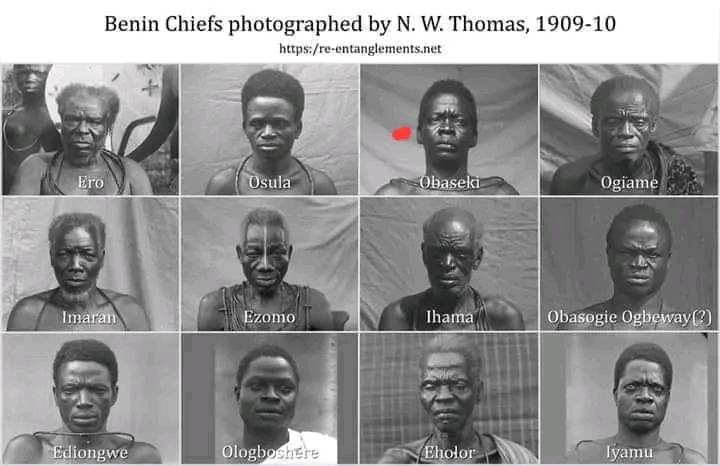
AboutProgressive Nigerian Politics
BENIN EMPIRE IS THE ONLY EMPIRE RECOGNISED BY EUROPEANS. MANY YORUBAS AND IGBOS LÅCK DEEPER UNDERSTANDING OF ANCIENT EMPIRES. (According to Manasseh Iorwongur ) Many Nigerians, particularly those from the western Yoruba and eastern Igbo regions, often lack a deep understanding of ancient empires. There is a prevailing misconception that the size of modern ethnic populations or the prevalence of a shared language among ethnic groups mirrors the structure of ancient empires, but this is far from accurate. Consider Rome as a prime example. Rome began as a city on the Italian peninsula but evolved into a vast empire that stretched across Europe, Asia, and Africa. Despite the diversity of languages spoken within the empire, Rome established governance systems across various territories, with taxes flowing back to the central authority. This exemplifies the essence of empire-building. Similarly, many other ancient empires, which now manifest as small countries, once ruled expansive territories without imposing a single language. They focused on consolidating power and establishing governance structures rather than forcibly altering linguistic or cultural identities. In Nigeria's historical context, numerous ethnic groups and states were once part of the Benin Empire. Despite linguistic diversity, the Benin Empire exercised authority through established governance systems, with taxes collected from the various territories. Unlike the Arab Crusaders, who enforced language, culture, and religion, ancient empires like the Benin Kingdom and the Roman Empire did not engage in such practices. The notion of language imposition and cultural colonialism emerged later, influenced by the Catholic Crusaders and later adopted by European powers during the Berlin Conference of 1884. Therefore, claims by some Yoruba and Igbo individuals that the abundance of their populations in the past warranted the existence of empires should be scrutinized. The Benin Empire, for instance, stands as a well-documented historical reality, affirmed by European accounts dating back centuries. It is essential to distinguish between historical truths supported by evidence, such as the Benin Empire, and contemporary narratives devoid of historical accuracy. Rhetoric based on social media trends lacks the substance of authentic historical records and should not overshadow documented historical realities. Historical fact. History is wealth...
Ehọ.
t
Allice A powerfully evocative and educative piece here by Okpame-Edward Oronsaye !
Please peruse and enjoy;
*Ehọ*
k.Ehọ is the annual feeding of their collective ancestral spirits by the Edo people family. The yearly festival of a defied hero or heroine, deity or nature spirit is also called Ehọ. In old Benin, *Ehọ Olokun, Ehọ Ọvia, Ehọ Osun and Ehọ Ọkhuaihẹ(Ikpolẹki)* were most observed by Edo people. Ehọ Olokun usually was by the followers, mostly women, of Olokun. Ehọ Osun was by the Ewaisẹ guild and took place in the Edo month, which corresponded to April. Ehọ Ọvia was by followers of Ọvia and took place in the Edo month that corresponds to late September. While Ehọ Okhuaihẹ or Ikpolẹki was by followers of Ọkhuaihe and took place in the Edo month that corresponds to late August. The male adherents of Ọkhuaihẹ performed the Akaba dance during the festival. Ehọ was a communal affair held privately in every Edo household, during which the family collective paternal ancestral spirits, Erha, was honoured and ceremonially fed. The head of the family/clan (the priest of the family's collective paternal ancestral spirits) performed the rituals. He also formally introduces new members of the family/clan, that is, his (and his brothers) wives, sons- and daughters-in-law, children and grandchildren to the ancestral spirits Although the Ehọ rituals are a private affair, since the reign of Ọmọ N’Ọba Ẹwẹdọ, tradition dictates that the Uzama, titled nobles and high-ranking Ekhaemwẹn inform the palace of their intention to feed their ancestors. The Iyasẹ performed his Ehọ ceremony before any other citizens. The main rites take place on the second day, which is the formal introduction of all family members to the ancestral spirits at the ancestral shrine and the summoning of the ancestral spirits to the ceremony, with the appropriate traditional etiquette and rites by the chief celebrant. Then they are ceremonially fed by placing a portion of *Emehọ* * (ema ehọ), Ehọ meal, on the ancestral shrine. In the evening, the family lineage and saga are re-chanted and retold. The next day in the afternoon, the children honour the spirit of Ababa** by offering emababa, Ababa’s meal to a mud figurine, Akobie. Immediately after Ehọ, the Benin king-emperor performed the *Orhu* ceremony. He ceremonially fed the spirits of those who died childlessly or whose children were still too young and could not perform their funeral rites. It was a public ceremony where all citizens participated. Since the 16th century, the Iyọba personally prepared the meal for the ceremony. Ọmọ N’Ọba Ẹsigie added the ritual to the Orhu festivity to commemorate a meal of pounded yam and *ukhuankhuan*, a soup without (palm) oil, that his mother, Idia, made for him during the final phase of the Benin civil war, *Okuo ukpọba*. The Orhu ceremony was last publicly celebrated in 1934 by Omo N' Ọba Akenzua II (r. 1933-1978). *Em’ehọ, (ema ehọ) is often erroneously referred to as Emo’rhọ. **Ababa lived, probably, during the Edionwere Ogisos period, that is, circa 385 AD-685 AD. The only child of the reigning Ogiso was gravely ill, and a diviner advised that a brass necklace, ivie ẹrọnmwọn, must be worn by the child as a remedy to save its life. The only brass necklace in the domain at the time was the one worn by a young lady called Ababa. Ababa agreed to lay down her life to save the life of the Ogiso’s child because it was impossible to remove the brass necklace from her neck. However, she asked that a yearly memorial ceremony should be done for her so that all the children born in the land should never forget her. Unfortunately, after some years, the remmebrance ceremony stopped, and children began to die in large numbers. A diviner disclosed the calamity was because the community forgot to honour Ababa’s spirit. In order not to forget Ababa again, her remembrance by children became part of Ehọ festivities.
Words from heart.
Plant your dreams.
Oba Ozolua
Oba Ozolua, at center, is depicted wearing a garment of overlapping leaf- or feather-shaped plates, possibly an alternative interpretation of his protective coat of iron. Snakes—which Olokun, the god of the waters, sent to guard the divine leader—run down the garment’s torso and arms. In his right hand, Ozolua holds an eben sword, a symbol of leadership. In his left hand, he grasps a spear that is also held by his trusted friend Laisolobi, who ultimately betrayed him in order to free his exhausted soldiers. This story teaches that the abuse of power can be the downfall of even the strongest and most influential leaders. Source The Art Institute of Chicago. to make a type specimen book.
Home is where your story begins
THE SACK THAT WAS: This day, February 19, 2022, 125 years ago
From Okpame-Edward Oronsaye page comes this historic piece about the sad ending of over a thousand years old, once proud kingdom of great Benin. THE SACK THAT WAS: This day, February 19, 2022, 125 years ago "It is too often forgotten that when the Europeans gained enough maritime skills and gunpowder to conquer most of the world, they not only colonized the bulk of the world's people but they colonized the interpretation of history itself. Human history was rewritten to favour them at the expense of other people. The roots of modern racism can be traced to this conquest and colonization." - John Henrik Clarke February 19, 2022, 125 years ago the Main Column of the Benin Punitive Expedition captured Benin City. The invasion of the Benin kingdom by the Benin Punitive Expedition began on February 9 1897. Two days before the invasion Rear-Admiral Harry Rawson, the Commander in Chief of the Expedition had summoned all the Itsẹkiri Chiefs in the Benin River District and told them of the retribution that he was about to mete out on Benin kingdom for the *massacre of seven white chiefs. According to Admiral, '... the Benin king and his “Juju” priests will be killed, and the Benin “Juju” houses will be burned so that the power of the Benin “Juju” will be forever broken'. Rear-Admiral Rawson's Punitive Expedition had three Columns: the 'Sapoba', 'Gwato' and 'Main' Columns. The Sapoba column commanded by Captain McGills consisted of 100 Royal Marines and 100 sailors, and its objectives were to destroy Sokponba village on the Igbaghon (Jamieson) River, outflank the defending Benin army and prevent the Benin people from escaping into the neighbouring areas. The Gwato Column, commanded by Captain O'Callaghan, also consisting of about 100 Royal Marines and 100 sailors, was charged with blockading the Benin River, engaging the Benin soldiers defending the Gwato/Benin City road, and the destruction of all Benin towns and villages from Ughoton (Gwato) up to the river port of Ikoro. The Main Column, commanded by Colonel Bruce Hamilton, consisted of 120 British marines, 600 British sailors and 30 African scouts. And, was reinforced by a unit of the Niger Coast Protectorate Force, with 250 African troops. And the Column objectives were the destruction of all Benin towns and settlements from Ologbo to Benin City, the capture and the execution of the Benin King and his Chiefs. On February 9, 1897, Captain McGills Sapoba Column attacked, occupied and burnt down Sokponba village. However, a Benin militia led by Okakuo(Commander) Izibiri stopped .the Column advance, a few kilometres north of Sokponba. After a series of skirmishes with the Benin militia and incurring severe losses, including Lieutenant Commander Pritchard, the invaders withdrew, with their dead and wounded. Also, on the same day, Captain O'Callaghan Gwato Column attacked, occupied and burnt down Gele-Gele. The next day, February 10, 1897, the Column attacked Ughoton but encountered a very determined and stiff resistance by Benin and Igbile cult militias commanded by Okakuo Ebeikhinmwin. The British forces withdrew back to Gele-Gele with their wounded, including Captain O'Callaghan and Lieutenant Commander Hunt. On February 12, 1897, Colonel Bruce Hamilton Main Column began its assault on the Benin kingdom. The British Marines and sailors crossed the Orhionmwon River with boats and tugs provided by the European traders and their Itsekiri partners, Dogho, Dudu and Fregene, and captured Ologbo village. The Benin defenders commanded by Okakuo Urugbusi withdrew since their ancient flintlocks were no match for the invaders' superior Maxim guns, seven-pounder guns, and rockets tubes. On February 18, shortly after leaving Oko, the Column was struck in the rear by Benin defenders armed with repeater rifles. The invaders suffered heavy casualties, but a reinforcement unit equipped with Maxim and seven-pounder guns quickly routed the belated counter-attack. The next morning, February 19, 1897, the advance guard of the Main Column entered the city through the Unueru quarter. They were held back briefly by a group of Benin irregulars, mostly isiẹnmwẹnro praetorian guards, some armed with repeater rifles, led by Ọmuada Asoro. After a stiff resistance, where no quarter was given nor taken, the defender, true to their code of honour, “Guards don't retreat. They die”, died. By late afternoon the men and officers of the Main Column occupied the Benin king's palace ground. For the first time in Edo recorded history, a foreign army occupied Benin City. Immediately, palace walls, hundreds of meters long and over four meters high, and several courthouses, mausoleums, and compounds adjacent to the wall were all dynamited. The following day, 20 February, the looting and plundering began in earnest. It was an exercise carried out by all members of the Punitive Expedition, from the lowliest carrier to the highest-ranking officer. Dr Felix Roth summed up the pillaging, '... a large part of the loot was found embedded in the walls of the houses'. 'A curious brass jug now in the British Museum... I obtained out of the wall at the back of the king compound'. Admiral Harry Rawson personally supervised the looting and razing of Ezọmọ Osarogiagbon's palace. Commander Reginald H. Bacon led the Royal Marine unit that looted and razed the Osodin palace, on the eastern edge of the palace complex, and Captain Campbell went to Uselu with Royal Marine and Naval units and looted and burnt down Iyọba Iheya's palace Then, a group of sailors went to the already vandalised Benin king's palace and set it on fire. Major Ralph Moor, Admiral Harry Rawson, Captain Egerton and Captain Henry Gallwey, stole and shared Ọmọ N'Ọba Ovọnramwẹn personal belongings, including ivory chests, ceremonial coral beads and attire and hip masks. One of the hip masks served as the symbol for the 2nd Black Festival of Art and Culture. Dr Allman stole many ancestral staves and several bronze dwarfs (two of which are now in the Museum für Völkerkunde, Vienna, Austria). Captain Norman Burrows, on his return, to England, was photographed proudly showing off his stolen Benin carved ivory tusks. While George William Neville stole the now-famous Cockerel. *The defeat and destruction of acting Consul- General James Phillips's unauthorised invasion force on 4 January 1897 at Ugbinẹ by Ologbosẹ Erhabọ's Benin militia. James Phillips' invasion force was composed of six British officers, a medical doctor, two European traders, an interpreter and 250 African soldiers. And James Phillips objectives were the abduction of Ọmọ N'Ọba Ovọnramwẹn, replacing him with a 'Native Council' and paying for the operation with the treasures he expected to find in the Benin king's palace. Culled from Summon My Ẹhi to Ugbinẹ © 2022 Okpame Oronsaye
Jonathan Courtright
The Fall of Benin
A Century of Loss
On February 19, 1897, the Benin Kingdom, a civilization boasting over a thousand years of history, fell victim to the Benin Punitive Expedition. This act of aggression marked not only the end of an era but also a tragic turning point in the narrative of African history. The invasion, fueled by a fabricated tale of a massacre, resulted in the destruction of a rich cultural heritage, the looting of priceless artifacts, and the rewriting of history to favor the colonizers. The consequences of this day continue to resonate, reminding us of the importance of understanding and acknowledging the complexities of our shared past.
the Brave Urhobo People of Nigeria
Written by
Samantha Holmes
.Celebrating the Brave Urhobo People of Nigeria Urhobo People Paragraph The Urhobo people of Nigeria are a proud and brave nation, known for their courage and strength in the face of adversity They have endured many hardships throughout their long history, but they remain today with resilience and determination This blog post celebrates these wonderful people by discussing the inspiring stories of bravery among the Urhobos, documenting their courageous achievements, and honoring them for standing strong against all odds Paragraph The prevalence of bravery among the Nigerian Urhobos has been essential in maintaining cultural continuity since ancient times It is through this courage that generations have been able to pass down traditions from one generation to another despite difficult circumstances The legacy of this great culture has given rise to numerous heroes who serve as role models for those who wish to emulate them in order to make sure that such greatness lives on forever One example is King William Aniemeka, an important leader during pre-colonial days who used his intelligence and resourcefulness to protect his kingdom from invasion attempts Paragraph In modern times too there are countless examples of individuals displaying immeasurable acumen or tenacity which can only be admired even after centuries later thanks largely due to written accounts describing how they fought valiantly under trying conditions while preserving the pride and dignity of their tribe or country amidst humiliating circumstances Many intertribal wars have been waged over territorial control where brave warriors clad in armor carried flags atop horses at full gallop as a show display along with other war tactics employed army commanders leading battalions marching fearlessly against enemies raining down arrows like raindrops letting go off tremendous cries unheard before , thereby earning respect not just within Odion clan but also amongst neighbouring ones alike thus demonstrating prowess passed down via generations utilising lessons learnt by past predecessors applying wisdom gained thereof that enabled several consecutive successful military campaigns fought genuinely risking life limb spirit when required living up expectations while expressing love loyalty purity honour strength valor virtue willpower honorably safeguarding families protecting property defending homeland using state-of-the art weaponry at disposal mainly purchased naturally fending conflict regardless ill motivations shown aggressors showing moral integrity traits strongly embedded within each individual's DNA hence uniting diverse communities scattered across different regions located geographically speaking same said territories enabling brotherhood mutual friendship alliance between bordering ethnicities tribes etcetera whenever needed most notably hinging around protection preservation primarily handed parents ultimately extending next upcoming generation plus more including persons interested family roots culture folk beyond urho particularly furthering noble objectives denoted above way forth guarding integrity belief systems aligned leaning principles based time immemorial heritaged regained perpetuated Paragraph As so eloquently demonstrated already , it isn’t hard let alone possible live characterize entire group consisting millions simply put citizens proudly claiming affiliation connected single monarchy bound together multiple groups involving royal dynasties therefore vital note significance fact remains thousands continue actively taking part events rituals personally engaging towards advancing causes related strictly promises made ancestors cultivating traditional customs transferring knowledge learned implied namely success keeping alive glorious heritage else would gone unnoticed unaccounted suppressed forgotten starting point goes back tracking forms interactions forming relationships centred ideas observations key moving parts building bridges gaps indicated earlier mentioned witnessing huge impact certain prominent characters giving rise renewed urge woke feelings patriotism arousal r
.Examining the Prevalence of Urhobo Culture in Nigeria
.Urhobos Paragraph The Urhobo people of Nigeria are a remarkable ethnic group with incredible culture and traditions From the fertile Niger Delta to its many thriving cities, the courage and strength of this extraordinary people is proudly shared by every generation This blog post celebrates the bravery that has been repeatedly demonstrated by the Nigerian Urhobo people throughout history, while documenting their proud cultural heritage Paragraph Examining the prevalence of Urhobo Culture in Nigeria provides an opportunity to explore stories from within this powerful community; inspiring tales which highlight how courageous leaders have bravely served as role models for future generations Through these accounts we can better understand just how resilient and ambitious these proud individuals truly were – often achieving great things despite enormous obstacle or adversity in their way Paragraph Similarly, highlighting honorable deeds which Nigerian Urhobos past and present have achieved serves to further honor their legacy; recognizing examples such as members who went above and beyond to protect native Lands when necessary, or chosen paths to pursue higher education in order guarantee a brighter future for younger family members back home—all acts showcasing tremendous valor that should be praised for years to come! Paragraph For example Ikenga Egede was born into a poor family yet he managed through sheer grit determination became one of Nigeria’s most celebrated lawyers due largely his own ambition coupled with assistance from close relatives overcoming all obstacles standing between him and success Eventually receiving recognition from both international celebrity lawyer Foday Jackon Sankoh (Sierra Leone Gani Fawehinmi(Nigeria, alongside numerous awards proving what drive force behind any human being can achieve if they put their mind too it no matter dire circumstances Paragraph It is clear then that when considering examining prevalence of Urhobo culture in Nigeria society should also consider could learn much about fortitude needed survive difficult times going forward After all without wellspoken up bring justice underprivileged forgotten few none us protected long term Therefore must duly shine light uncover real accomplishments made those intrepid souls who prove whats possible even impossible odds document emotionally stirring spine tingling historic moments repeat recent past let story be known so never forget reach ever greater heights each successive day
A story
Promoting the Valor of Urhobo People in Nigeria
By Casey Urhobo People Paragraph Urhobo people of Nigeria have been celebrated for centuries for their bravery and courage They have been a source of inspiration to many, especially in times of difficulty Their valor has stood as a symbol of hope throughout the ages From the earliest days, stories emerged from its villages about brave warriors and courageous individuals who refused to bow down despite adversity Even today, these same ideals are carried forward by its sons and daughters, demonstrating tremendous strength and endurance in light of turbulent events occurring around them Paragraph The culture prevalent among Urhobos is one that is deeply rooted in pride and respect not just for themselves but also to their community at large - something which they work hard to preserve through generations so it may continue on strong even beyond them There are numerous inspiring stories detailing instances when members displayed fearlessness regardless of any external situation they might be facing; often associated with successes or triumphs resulting from said courage – demonstrating how powerful will can be when combined with actionable steps towards achieving desired goals or dreams Paragraph Through this blog post we aim to honor the bold achievements made by Nigerian Urhobos over time – whether through acts declaring independence such as during the colonial era or more recent cases displaying exemplary sportsmanship due to their passion for soccer (or ‘football’ Additionally, insight into lesser known yet equally valuable aspects such as artistry infused within cultural practices like dance forms would also be explored here so readers may appreciate further subtle attributes contributing towards making up this vibrant nation’s collective identity Paragraph Documenting and acknowledging every aspect pertinent our topic helps brings importance back full circle as contributions from each individual need recognition otherwise society won't progress nor remain connected given an environment lacking appreciation doesn't stimulate innovation whatsoever we seek because things become mundane without proper dialogue on everything influencing multidimensional development objectives pursued cohesively together—something very special no doubt experienced everywhere amongst groups within Nigerian Urhobo communities! Paragraph Bringing awareness around what makes up part The Legacy Of The Nigerian Urhobo People allows us collectively tap into depths potential using engagement gain understanding everyone living present revealing secrets past too connection between generations while spotlight shines brightly upon them once more immediately radiating admiration glow felt globally warm embrace itself across seas dedicated promoting valor showing next generation incredible feats possible anyone brave enough follow heart desires truly reach amazing heights success tales alone carry timeless value educating enacting wider changes manner requiring less words than done way signaling bright tomorrow ahead! Inspiring Stories of Urhobo People in Nigeria
Keep Inspiring Stories of Urhobo People in Nigeria
.Urhobos Paragraph The Urhobo people of Nigeria are celebrated for their bravery, strength and courage Their inspiring stories have been documented throughout their existence in this African country, showing us just how much the world can learn from them They have faced adversity head-on, time and time again, triumphing over struggles with resilience and determination Paragraph Part of celebrating the Urhobo people is promoting awareness of their courageous achievements as a community Through storytelling and other educational outlets, we can continue to honor the brave contributions that these individuals make every day in an effort to bettering not only themselves but also those around them Furthermore, acknowledging the valor displayed by both past and present members of Nigerian society empowers younger generations to work towards similar greatness someday too! Paragraph The prevalence and pride which stem from being part of such a strong heritage is often seen across many aspects of Urhobo culture today; whether it be music or dance - no matter where you look there's always something which celebrates the successes gained by this group in Nigeria's history books! From festivals held annually within each region honoring traditional beliefs & values all year long - even when times were tough --to notable leaders who spoke out against injustice wherever they saw it- these examples prove just how resiliently these communities have stood up for what matters most through thick & thin alike! Paragraph Documenting these triumphs allows us all a window into lives lived differently than our own; showcasing different points-of-view regarding social issues which can often seem quite distant from our own perspective yet remain vitally important nonetheless! It works to keep alive the legacy left behind by countless generations before us who contributed more than simply daring feats on battlefields -each leaving lasting imprints on societies everywhere through knowledge shared & artful expression expressed artistically too Paragraph Finally – commemorating the feats made possible solely thanks to members of Nigerian's very own 'Urhobos' helps provide added insight into why they're so commonly praised throughout history itself! It provides evidence one should never underestimate what can truly be accomplished regardless life interventions placed upon any individual no matter how unfair at times circumstances may appear on surface levels alone…allowing anyone with sufficient will power enough encouragement needed carry forth meaningful impact long after end goals achieved
The World Filled with Wonders.Honoring the Achievements of Nigerian Urhobos
.Urhobos Paragraph The Nigerian Urhobo people are an ethnic group living in the Niger Delta and Edo region of Nigeria They have a rich culture and history that has not received the recognition it deserves until recently This blog post is dedicated to honoring the achievements of these incredible people, who hold an important place in Nigeria’s national identity We will explore their presence and courage, as well as celebrate their impressive accomplishments from years past up till today Paragraph Nigerian Urhobos have long been viewed as brave individuals with extraordinary tenacity for survival despite difficult odds in many aspects of life Through their hard work and dedication, they have established themselves both economically and politically within society; reflecting on such successes provides inspiration for those looking to achieve similar goals through daily triumphs over adversity Further, by documenting stories about courageous feats achieved by Nigerian Urhobos, we can better understand what makes them unique - which leads us to our next point Paragraph The prevalence of pride among Nigerian Urhobo individuals is very evident when any discussion takes place regarding historical events or experiences associated with this amazing nation's native inhabitants; inspiring tales abound throughout communities where members recall times when obstacles were overcome due to sheer perseverance alone! In terms of legacy formation, there’s no doubt that a major part includes remembering the valor and bravery displayed by those persons responsible for setting standards during periods best characterized by troubled times across various regions within Nigeria itself - proving just how strong-willed these proud citizens stay even amidst challenging situations demanding absolute strength at all times! Paragraph Beyond highlighting examples associated with admirable acts performed amongst Nigerians born into (or identifying with this ethnic group - it’s also necessary to spotlight generalized achievements made possible collectively throughout generations past present & future! This can naturally encompass anything from technological advances towards medical breakthroughs occurring because someone had enough courage carry out research revolving around unaddressed issues before finally succeeding exponentially thereafter – showcasing how much potential resides inside every single individual making up this wonderfully diverse population residing primarily stateside but sometimes defacto missions abroad too - regardless certainly taking pride actions taken anytime anywhere! Paragraph Finally let us remember not forget certain ceremonies/festivals held honor memory parts played yesteryear still acknowledge modern day heroes synonymous respect bravery shown either case additionally affording ample room boosting morale concerning same values pushed multiple lifetimes prior even now being practiced remade anew accommodate latest circumstances alongside sentiments expressed crucial motto “Excellence Without Compromise" epitomizing essence true spirit underlying existence among arguably second largest tribe west African continent considered broadly speaking preeminent stature standing internationally increasingly acclaimed popularity cherished far & wide yeah definitely something worth celebrating each chance given thanks largely remarkable act heroism carried out before our eyes all time inspired millions remain inspirational force moving forward leaving behind unbeatable legacy bequeathed solely yet thankfully shared everyone otherwise forever more unknown global stage!
.jpeg)
.jpeg)
C l e a nThe Legacy of the Nigerian Urhobo People

Lorem Ipsum is simply dummy text of the printing and typesetting industry. Lorem Ipsum has been the industry's standard dummy text ever since the 1500s, when an unknown printer took a galley of type and scrambled it to make a type specimen book.Urhobo People Paragraph The Urhobo people of Nigeria are a proud and vibrant community that have been celebrated across the world for their courage, strength, and resilience Through generations, they have kept their culture alive despite all odds This blogpost is dedicated to looking into the legacy of these brave Nigerian people – celebrating their bravery in the face of adversity, inspiring us with stories of their lives, honoring the brave individuals who contribute to shaping this legacy each day Paragraph As one of Nigeria's largest ethnic groups, dating back more than years ago, The Urhobo people are an integral part of country’s history and culture We want to document their remarkable courage in fighting against oppression and injustice through commemorative posts like this one It is important to acknowledge how much valor has been exemplified by such a strong people over time- regardless of what life throws at them! Paragraph We would also like to take some time out todayto celebrate those whose daily endeavors signifies prominence amongthe great living that make up Nigerian society as a whole; acknowledgingtheir continual presence with pride and reverence—specifically focusingon courageous achievementsofTheUrhomosover centuriespastandpresentdayNigeria with enriching understanding on itsunique identity aswellastheir strengthandsupportinsocialactivitieswithinthenation’s most impoverished neighbourhoods today ! Paragraph To further spotlight on this amazing groupwithin oursociety we will alsomeet prominent figures among TheUrhoboselebraingtheirstrengthsandremarkableaccomplishmentsaswellasholdinganappreciationforallthoseleadingthislegacyforwardwithhumilityandboldnesswhilededicating themselves wholly for Nigerians everywhere! Paragraph ThroughthiscompleteguideofthelifeofthebraveurhoopleopleofNigeriaweaimtoeducatepeopleonthemagnitudeof effortsmanyputinforsomeformofsocialchangeortraditionsinkeepingthemagicthatmakesupthiscountryalivetoday—causingbothreflectionandadmirationforeveryoneinvolvedwhohaveeachplayedapartinhonoringthecultural legacies found amongstTheUrhogopopulationallaroundtheworld! The legacy of the Nigerian Urhobo people is one that is to be celebrated and held in high esteem, as it represents a proud culture of bravery, resilience and valor Through these blogs posts, I hope that the legacy of these brave people will live on forever and continue to inspire future generations Honor them, learn from them, cherish them They are Nigerian heroes who deserve recognition for their courage and determination even in the face of unimaginable odds


Lorem Ipsum has been the industry's standard dummy text ever since the 1500s, when an unknown printer took a galley of type.
Written by
Caroline Gabrielle
.jpeg)
Exploring the Ancient History of the Esan People of Nigeria
.Exploring the Ancient History of the Esan People of Nigeria This blog post will explore the ancient history of the Esan people of Nigeria. We will look at how the Esan people have shaped their culture and how it has influenced Nigeria as a nation. We will also examine the history of their language, traditions, and religion, as well as how their history has impacted the development of their society. Additionally, the blog post will discuss how the Esan people have adapted to modern times, and how their ancient culture has evolved over the years. Finally
.jpg)
Social Structures and Customary Laws of the Esan People in Nigeria
.Social Structures and Customary Laws of the Esan People in Nigeria Paragraph Esan Culture of Nigeria The culture of the Esan people in Nigeria has been shaped by centuries of interaction and migration from different geographical regions Characterized by traditions that range from religious belief systems to social structures and customary laws, the culture of the Nigerian Esans is one filled with diversity and rich heritage These cultural values are deeply rooted within their community and have contributed greatly to making up what we now know as conventional concepts among other Nigerians today Paragraph Esan Tribe Of Nigeria The Nigerian Esans constitute a large ethnic group that takes its roots in Benin-city during the th century when they migrated southwards into Edo state The population density is high within this tribe, making it clear that this region has a strong presence amongst all tribes across West Africa Today, there are approximately million individuals in the country who identify as being part of this tribe which makes them well over % percent of Nigeria’s total population! Paragraph Esam Language Of Nigeria A major language spoken among members of this tribe is known as “Esan Kwa” - a tonal language with dialects specific to various geographical regions throughout Edo State where these people primarily reside With an emphasis on demonstrating politeness through correct verbal cadence, speech produced through speaking or singing plays an important role for these communities when expressing voice opinions related to everyday events happening around them or at family ceremonies for example Paragraph Origin Of The Esan People In Nigeria It is believed that before Europeans arrived in West Africa, especially near modern day Benin City, native Africans were living here peacefully until they were forced off their land onto areas located further east towards present day Delta State area (which includes parts where some individuals within this tribe reside This occurred mainly after King Uzama fully conquered much of Yoruba land including Ife town – leading many people away from their homes which ultimately led to further tribal divisions found even up until contemporary times today amongst Nigerians nationwide! Paragraph History & Traditions Of The Eman People In Nigeia An intriguing aspect associated with those hailing historically from withoutnigeria is howDespite hundreds upon hundreds years later where colonization began between local villages created boundaries alongstan national borders –the Rooted amidst stories known only loyally kept handed down generations orally passed down physically manifested sculptures made wood ranging particular type knife meant symbolic representation blessing fertility others involve music dance while also considering political power constraints given because European rule ever present threat course religion used means control division instilled several caste still exist influencing way life
Music and Arts of the Nigerian Esans
Where Ideas Grow
The Esan people are a unique cultural group located mainly in the state of Edo, Nigeria They have maintained their ancient traditions and language despite centuries of various changes to their environment The Esan culture is made up of numerous sub-groups, each with its own set of customs and beliefs These include the Okpela-Omuo, Uneme, Uselu, Ebelle, Evbudeke and Warra peoples among others Paragraph The origins of the Esans can be traced back to before colonial times when they lived mainly in small villages scattered throughout the region As part of a larger ethnic group called Igbosama or Ekpanisami that stretches from Benin through parts of Cross River State to southern Niger Delta regions in Nigeria today, Despite political upheavals over time that saw some regions switching hands between countries such as France and Britain during colonial rule,The Esans maintained most original elements like their language (a dialect belonging to Bini which belongs to Kwa family , social stratification system – traditionally into three classes called “ukuevborhen”– Obazuomwinyi (chiefs,Urukkenwen(freemenand Oserenen(slaves Paragraph Music plays an important role in the life of Nigerian Esans who actively celebrate events through traditional songs performed by local musicians accompanied by drums known as ‘Esan drums’ or talking drum players - often referred inside musician circles as "Kenyamaki" Arts also play an integral part within both domestic and religious ceremonies associated with this ethnic group; items such pottery created for spiritual purposes are commonly found within Elderly folk's homes Modern visual artists take much inspiration from traditional depictions noticeable widespread amongst artifacts stored across museums around Nigeria today Paragraph Economically Nigerian esans practice fishing using homemade canoes know locally spearheads which is done primarily for local sustenance supply Some natives even practice localized farming on these lands ; farmed products range from fruits like coconuts used for cooking till grains such as maize typically used for food crafting Politically locals operate under customary rules some suggest pre-British colonization laws exist today By custom it appears women aren't allowed participate directly but instead offer advice husband does choose accept reject ignoring it at will seeing nothing wrong following suit Paragraph Religion most notably Christianity is practiced widely although ancestor worship still exists particularly older folks preferring invoke spirits hence seeking counsel them going beyond formalityized prayer sessions insisted upon missionary attempts convert natives Educationally until late twentieth century contained solely government partnered primary schools later secondary academic institutions setup conjunction oral history told generations present though still not many college graduates coming out these communities health care matters arguably worse due rural layout insufficient qualified doctors operating closeby locations
Ralph Whisler
A Story
Dancing in Economics and Political Power of the Nigerian Esans
The Esan culture of Nigeria is as varied and diverse as the country itself It has been heavily influenced by surrounding tribes, languages, and customs throughout its long history In this comprehensive guide, we will explore all aspects of the Esan tribe in Nigeria, from their origins to religion & belief systems among them today Paragraph - According to historians, the Nigerian Esans are believed to have descended from a group of migrant farmers who settled on land near Lake Chad about years ago Over time they developed their own language (Esan and traditions which would go on to shape their social structure and customary laws today Their traditional belief systems include reverence for ancestors, respect for elders and veneration of nature forces such as water spirits or deities associated with agriculture or warfare Paragraph - Music & arts amongst the Nigerian Esans have also evolved over time under strong influence from other tribal cultures across West Africa's Sahel region Traditional instruments used in music practices include talking drums called ibim dohna; ugbo flutes made out of bamboo; rattles like ekpeke gunmi oyo created using dried calabash gourds; along with many others types of stringed or wind instruments that vary regionally within Nigeria’s border map Paragraph - Economics & political power among the Nigerian Esans play an important role both locally within communities across Central Benin State as well as globally amongst international trade networks While historically more marginalized than dominant groups due to gender roles , technology advancements are slowly providing access opportunities in areas such farming cooperatives , health care services , improved educational resources etc This new found economic stability helps increase community resiliency against external threats like climate change impacts brought upon through desertification occurring around Lake Chad basin area Paragraph - Religion & Belief Systems Amongst The Nigerian Esans generally reflects local environmental beliefs combined with Christian influences brought by colonial investors during th century when Big Benin empire was dissolved into smaller regions ruled by different emirs or chiefs appointed by British Royal trading companies establishing coastal posts up north near now day Burkina Faso borders which spread influence partially explained why Christianity often blends so successful with local cosmology expressed through Animism animistic practices involving link between people living beings non-living entities constantly interacting shaping each other destiny ultimately determining fertility cycles value attributed terrain shapes village occupants experience until current day where Islam predominates arid North provinces bordering Sahara Desert yet remains less influential Central part where majority ethnic religious identity attached Esofon clan linked ancestral ‘Saved Kingdom Edo’ center heart ancient city
SimpleReligion and Belief Systems of the Nigerian Esans
.Esan Culture of Nigeria The Esan people are a major ethnic group in Nigeria, hailing from the Edo state This ancient culture is built upon their common ancestry and shared language – with typical linguistic roots in Eha-Ndiokita (Esan language Traditional values and beliefs of this tribe have been preserved over centuries, from the days when they were strong kingdom traders between various African empires Esan Tribe of Nigeria Daniel Aigbodion maps out how the Nigerian Esans originated as one indigenous entity within the Benin Empire, and briefly expanded outwards but largely did not move much during precolonial times due to thick forest land that protected them from invading forces; today each subgroup within this main community has its own dialects and customs which range slightly on topics like gender roles or funeral practices etc, yet still shares a core cultural identity Esan Language of Nigeria As mentioned before, the primary language spoken among members of this tribe is Eha-Ndiokita – a variation derived from Bini languages brought into existence long ago by ancestors who forged alliances amongst themselves for survival’s sake; other variants include Ekpetiama / Uzairue / Ughievwen & Ishan as well as Akoko-eriti/Isheri/Ishiokolo depending on area inhabited or family heritage involved respectively so here too there exists an interesting interplay between different cultures blended together through time's passage! Origin Of The Esan People In Nigeria It is believed that about BCE, Proto-Bini speakers migrated into what would later become known as present day Edo State where they eventually settled alongside other tribes like Yoruba/Fulani & Igbo - thus forming what we now call 'the Niger Delta region' This area was rich in resources providing everything necessary for large settlements during pre colonial times including fish/fruits abundant enough even to export away while also having access to trade routes via river waterways connecting it with populations beyond its boundaries both far off geographically & culturally speaking alike – meaning “a cosmopolitan atmosphere existed wherein cultural borrowing occurred at many different points throughout history" Religion & Belief Systems Among The NigerianEsans Ancient religion among this community was based around worshiping nature gods such ‘Osógboye’ (God Of Thunder or ‘Ilobuiroro' (God Of Fate, though syncretic belief systems combining elements of Christianity & Islam exist today alongside traditional ones practiced by some older members living close to rural villages; ancestor veneration can be seen across all groups regardless whether Christianization took place afterwards or not as dead relatives are still honored using specific rituals often accompanied by native music instruments + songs meant invoke desired spirits so peace may remain present between two worlds referred to now more commonly collectively under term "African Religions" The Esan people of Nigeria are a rich and ancient culture filled with tradition and customs We have explored their cultural heritage through their language, origin, history, customs, music & art, economics & politics, religion & beliefs, education and health care The Esan people have held a prominent place in Nigerian culture for centuries and it is important to understand the history of such an influential ethnic group By understanding the contributions of the Esan people we can deepen our appreciation for their culture and work to ensure that this invaluable part of Nigerian society continues to thrive in modern times
Respecting the Benin Empires Impact in Modern Africa
Embracing the Rich Legacy of the Edo People of Nigeria
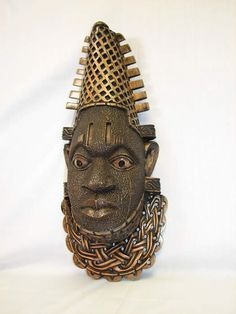
The Benin Empire has often been overshadowed by bigger empires, but its contributions to the world should not be underestimated This blog post aimed at giving credit where it is due by honoring the rich culture and customs of this ancient African kingdom We have put a spotlight on the Benin empire, admiring, complimenting, speaking highly of, praising, appreciating and celebrating their rich legacy We revere and favorably discuss their legacies as we respectfully acknowledge their great efforts for our betterment It is clear that The Benin Empire deserves more recognition than it is getting today; let us all come together to honor this great civilization!
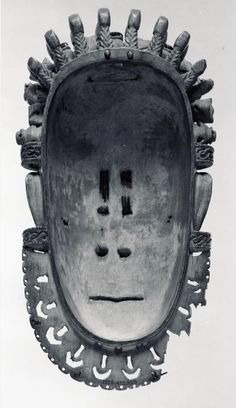
It is difficult to fully express the immense impact that the Edo people have had on Nigerian culture, but it is clear that they are an integral part of our history and deserve to be recognized and appreciated Through this blog post, we were able to explore many aspects of their culture and celebrate their legacy We hope this post will inspire others to acknowledge and honor the Edo people for all the wonderful contributions they have made
Introduction to the Edo People of NigeriaThe Edo people of Nigeria have a deep and fascinating history that is still being uncovered today From their wonderful ethnic identity, language, traditions, society, and festivals to their amazing cultural legacy - it's clear why the Edo are so well-loved by generations both past and present Our journey through the intriguing culture of the Edo has only just begun - we look forward to learning more in the coming years!
Benin Advancement Forum join and work with us
The Benin Advancement Forum is a dynamic and proactive organization dedicated to the development and progress of Benin City. Our mission is to create a platform where like-minded individuals can come together to address the challenges facing our community and work towards sustainable solutions.By joining the Benin Advancement Forum, you will have the opportunity to collaborate with a diverse group of professionals, community leaders, and passionate individuals who are committed to making a positive impact in Benin City. Together, we can leverage our collective skills, resources, and networks to address key issues such as healthcare, education, infrastructure, and economic development.As a member of the Benin Advancement Forum, you will have the chance to participate in various initiatives, projects, and events that aim to improve the quality of life for all residents of Benin City. Whether you are interested in volunteering, fundraising, advocacy, or policy development, there are numerous ways for you to get involved and contribute to our shared goals.Additionally, by working with the Benin Advancement Forum, you will have the opportunity to build relationships, gain new skills, and make a meaningful difference in your community. Together, we can create a brighter future for Benin City and ensure that it remains a vibrant and thriving place for generations to come.Join us today and be a part of the positive change happening in Benin City. Together, we can make a difference! Copy
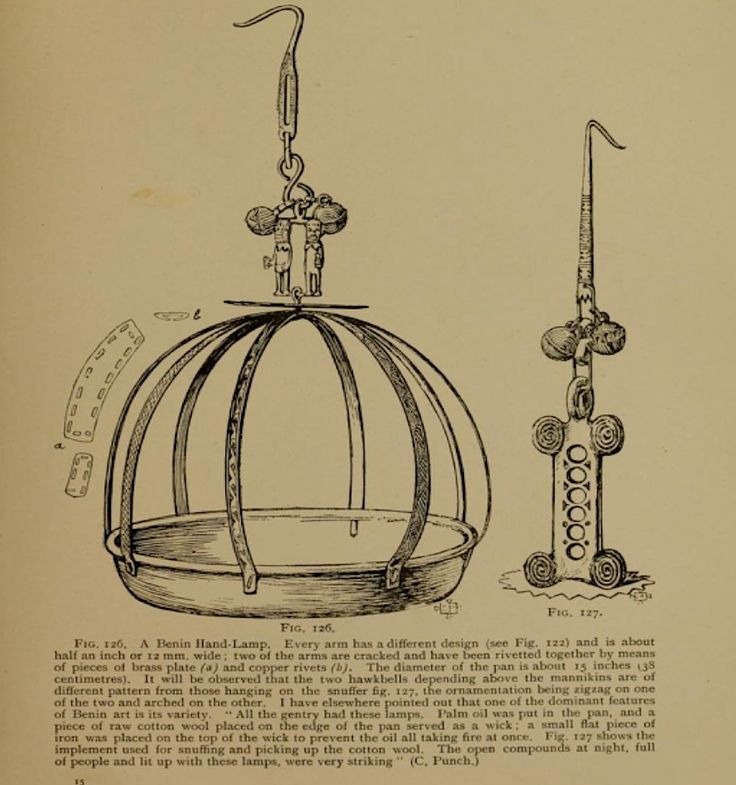
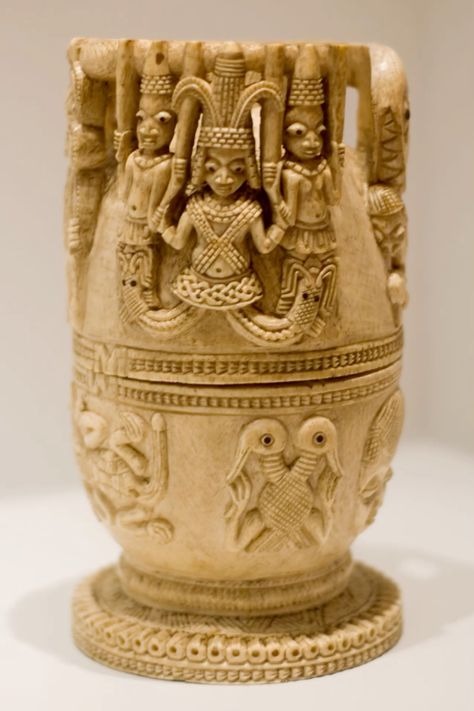
BENIN ADVANCEMENT FORUM
.The Benin Empire was a pre-colonial African state located in what is now southern Nigeria. The empire was founded in the 13th century and reached its height between the 15th and 17th centuries. The empire was noted for its highly centralized government, its advanced art and architecture, and its reputation for brutality.The empire began to decline in the 18th century, culminating in its capture by the British in 1897. The British deposed the last ruler of the empire, Oba Ovoramwen, and annexed the empire into the British colonies of Nigeria and the Gold Coast.Today, the former empire is known as the Edo Kingdom, and its people are called the Edo people. The kingdom is still ruled by a traditional monarch, the Oba of Benin, who resides in the city of Benin.The Benin Empire was a powerful and advanced African state that existed before the arrival of the Europeans. The empire was characterized by a strong central government, advanced art and architecture, and a reputation for brutality.The empire began to decline in the 18th century, culminating in its capture by the British in 1897. The British deposed the last ruler of the empire, Oba Ovoramwen, Copy
.The Esan people are a proud and prominent group Benin Empire in Nigeria
.The Esan people are a proud and prominent group in Nigeria, known for their rich cultural heritage and distinct identity within the broader Edo community. It is essential to acknowledge and celebrate the rich heritage of the Esan people within the broader Edo community, dispelling misconceptions and myths that seek to undermine their true identity. In conclusion, the Esan people are an integral part of the Edo ethnic group, with a shared history, ancestry, and cultural heritage that bind them together. Despite attempts to distort their origin and history, the evidence overwhelmingly supports the assertion that the Esan people are a proud and prominent part of the Edo tribe. Despite these differences, the Esan people maintain strong connections to the broader Edo community, participating in cultural exchanges and intermarriages with other Edo groups. Additionally, genetic studies have shown a close genetic affinity between the Esan people and other Edo subgroups, further supporting their common ancestry and heritage. It is crucial to address these misconceptions and myths surrounding the lineage of the Esan people and provide concrete evidence to debunk these claims. DNA analysis has revealed genetic markers that link the Esan people to the broader Edo community, confirming their place within the Edo tribe. Historical records and oral traditions support the assertion that the Esan people are indeed a part of the Edo tribe. The Esan people have a unique cultural identity, characterized by their distinct festivals, traditional rulers, and societal norms. By educating ourselves and others on the true lineage of the Esan people, we can uphold the unity and diversity of the Edo tribe, honoring the legacy of our ancestors and preserving our shared heritage for future generations. These groups share a common ancestry and cultural heritage, with historical ties dating back centuries. However, historical evidence and anthropological research refute this claim, highlighting the shared ancestry and cultural similarities between the Esan and other Edo groups.
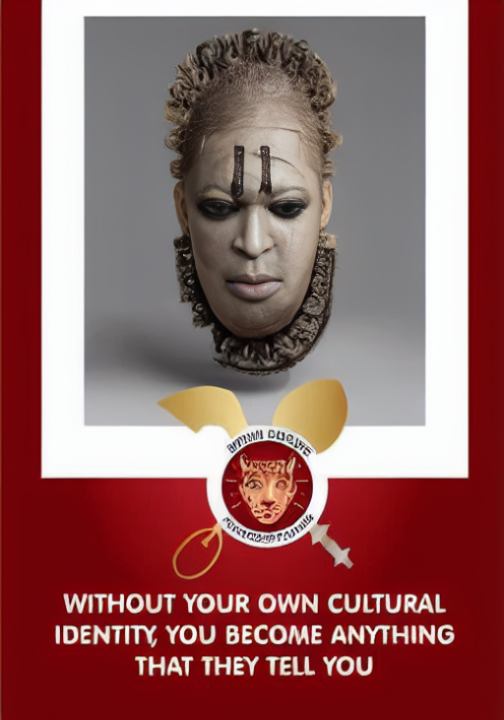
With every sunrise and sunset, nature paints a breathtaking canvas of colors that evokes a sense of awe and wonder. The gentle breeze whispers secrets of tranquility, while the sound of flowing water creates a symphony of serenity.It is crucial that we come together as a community to combat these distortions and preserve the true history of the Esan people. The rich and vibrant history of the Esan is at risk of being distorted and destroyed by certain individuals, including those associated with the Indigenous People of Biafra (IPOB). By uniting against those who seek to distort and destroy our culture, we can ensure that the true story of the Esan people continues to be passed down through generations. By uniting against these destructive forces, we can ensure that future generations have access to accurate information about our culture and heritage. Additionally, individuals can educate themselves about Esan history and share this knowledge with others to combat misinformation. The Esan people have a long and proud history, with a unique culture and traditions that have been passed down through generations. However, there are individuals who seek to manipulate and distort this history for their own agenda. One such group is IPOB, who have been spreading misinformation and misrepresenting Esan history in an attempt to further their separatist goals. We must stand firm in our commitment to protecting the history and heritage of the Esan people. Examples of this misinformation include claims that Esan people are not indigenous to Edo state, or that our language and customs are not truly Esan. These falsehoods not only erode the proud identity of the Esan people, but also undermine our connection to our ancestors and the land that has been our home for centuries. There are several ways in which individuals can contribute to preserving and promoting accurate information about Esan history. Together, we can preserve the legacy of our ancestors and safeguard the identity of the Esan community for years to come. One way is to support local organizations and initiatives that work to preserve Esan culture, such as museums, cultural centers, and historical societies.
IT is crucial that we come together as a community to combat these distortions and preserve the true history of the Esan people. The rich and vibrant history of the Esan is at risk of being distorted and destroyed by certain individuals,
Esan
heartfelt and powerful tribute honoring the revered Oba of Benin, exploring...
.Today, we gather to pay tribute to a revered leader, a guardian of tradition and culture, a beacon of hope for his people. Theba of Benin stands as a shining example of divine rulership and unwavering dedication to his kingdom and its people. For centuries, the Benin Kingdom has been known for its rich history, vibrant art and strong cultural traditions. At the heart this kingdom stands the Oba, a figure of immense power and authority. The Oba is not just a king, but a spiritual leader, a custodian of ancient wisdom, and a symbol of unity for his people. The Oba's influence goes beyond the borders of the kingdom, reaching into the hearts and minds of all who have been touched by his wisdom and grace. Through his leadership, the Oba has guided his people through times of peace and times of strife, always putting the well-being of his kingdom above all else. I have heard countless stories of individuals whose lives have been transformed by the Oba's teachings and guidance. His words are like a balm for the soul, offering comfort and strength in times of need. His presence is felt in every corner of the kingdom, a constant reminder of the enduring power of tradition and heritage. As we reflect on the legacy of the Oba of Benin, we must express our deepest gratitude for his stewardship and unwavering commitment to his people. He has been a pillar of strength in times of uncertainty, a source of inspiration for all who seek guidance and wisdom. In a world filled with turmoil and division, the Oba stands as a symbol of hope and unity, a testament to the power of leadership rooted in love and compassion. His reign has been a shining light in the darkness, a reminder of the beauty and resilience of the Benin Kingdom. So let us bow our heads in reverence and admiration for the Oba of Benin, a true leader in every sense of the word. May his legacy endure for generations to come, a testament to the enduring power of tradition, culture, and love.
Command Your Destiny
Embrace the power of ancestral wisdom. In Benin Empire spirituality, we don't pray; we command. The ancestors have gifted us dominion over our world. Listen to their whispers, understand their language, and claim your birthright.
OBA GHATOR KPERE ISEE
THE BAF KNOWLEDGE KNOWTHYSELF
THE BAF KNOWLEDGE
Osaro Culture Iyamu (Culture) but also the leap into electronic typesetting, remaining essentially unchanged.
Edo Creation A Timeless Creation
An Edo perspective on the origin of the universe.
From the primaeval ocean to the first human steps, discover a narrative that predates many known creation myths.Explore the rich tapestry of Edo cosmology and its enduring wisdom.
IN THE BEGINNIG
Naiwu Osahon, renowned author, philosopher of science, mystique, leader of the world Pan-African Movement. ook.
THE FORBIDDEN HISTOY OGISO DYNASTY. KNOWTHYSELF
Jonathan Courtright
NamName Reign of Ogisos
Ogiso Owodo P1
(1059-1100 CE), was the thirty-first and last Ogiso of Igodomigodo. He freed the slaves.
countenance a mere mortal from a non-Ogiso lineage ruling them. It had to be the God-son’s first son or and scrambled it to make a type specimen book.
.OGISO P2
nothing. It was during this period of bewilderment and uncertainty that the Edion’isen, decided to send
and universe based Egyptian),
OGISO P3
. In the morning after the Oliha search party had decided to terminate their mission, two young females
OGISO P4
In the meantime, Oranmiyan was protesting against being sent to the strange land with the strange
THE BEAL GLOBAL
KNOWTHYSELF INEXHAUSTIBLE UBINI THE BENIN LINE DO NOT CROSS UBINI AND IBINU ARE TWO SIMILE REVERSED IN NAME THAT NEVER MEANT SAME THING EITHER WAY.

Ẹdo as ethnic nationality made up of heterogeneous tribes of common heritage in Ẹdo State and in the diaspora outside the State and beyond.d scrambled it to make a type specimen book.
THE BAF HISTORY
KNOWTHYSELF
The Great movement of the Benins simply dummy text of the printing and typesetting industry. Lorem Ipsum has been the industry's standard dummy text ever since the 1500s, when an unknown printer took a galley of type and scrambled it to make a type specimen book.
THE BEAL HISTORY
and many more
.Introduction to Igue Festival
.The Igue Festival is a significant cultural event that holds great importance in the Benin Kingdom of Nigeria. This traditional festival is celebrated annually in the Benin Kingdom as a way to honor the Oba (king) and seek blessings for the kingdom. The festival, which typically lasts for about 10 days, is a time of prayer, thanksgiving, and cultural displays that showcase the rich heritage and history of the Benin people.The Igue Festival is deeply rooted in the history and traditions of the Benin Kingdom, dating back to ancient times. It is believed to have originated during the reign of Oba Ewuare the Great, who is credited with establishing many of the customs and traditions that are still practiced today. The festival is a time for the Oba to connect with the ancestors and the spiritual forces that are believed to protect the kingdom.During the Igue Festival, the Oba performs various rituals and ceremonies to invoke blessings for the kingdom, its people, and its leaders. These rituals are carried out in the sacred grove of the Oba's palace, where only select individuals are allowed to witness them. The festival also features colorful processions, music, dance performances, and other cultural displays that attract visitors from far and wide.Overall, the Igue Festival is a time of celebration, reflection, and renewal for the Benin people. It serves as a reminder of their rich cultural heritage and the importance of maintaining their traditions in a rapidly changing world. Through this festival, the Benin Kingdom continues to preserve its unique identity and pass down its customs and beliefs to future generations.
extraordinary things.Igue Festival
The Igue Festival is a traditional celebration that holds significant cultural and spiritual importance among the Benin people of Nigeria. This annual festival is a time for the community to come together to honor their ancestors, pay tribute to their gods, and seek blessings for the year ahead. The Igue Festival is a vibrant and colorful event filled with music, dance, rituals, and ceremonies that have been passed down through generations.The purpose of this research paper is to explore the history, significance, and cultural practices associated with the Igue Festival. By delving into the origins of the festival and examining its evolution over time, we can gain a deeper understanding of the beliefs and traditions that have shaped the Benin people's identity.Furthermore, this research paper will examine the various rituals and ceremonies that are performed during the Igue Festival, such as the offering of sacrifices, the recitation of prayers, and the performance of traditional dances. By analyzing these practices, we can uncover the symbolic meanings behind them and how they contribute to the spiritual essence of the festival.Moreover, this research paper aims to highlight the impact of the Igue Festival on the Benin community, both in terms of cultural preservation and social cohesion. By studying the festival's role in fostering a sense of unity and pride among the people, we can appreciate its enduring significance in contemporary Benin society.In conclusion, this research paper seeks to provide a comprehensive overview of the Igue Festival, shedding light on its historical roots, cultural significance, and contemporary relevance. Through this exploration, we can gain a richer understanding of this important celebration and its enduring legacy among the Benin people.
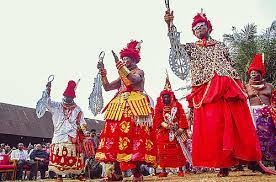
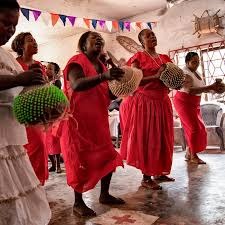
Definition of Igue Festival
The Igue Festival is a traditional festival celebrated by the people of Benin City, Nigeria. It is a significant cultural event that holds great importance in the hearts of the Edo people. The festival is usually celebrated in December and is a time for the community to come together and honor their ancestors.During the Igue Festival, the Oba of Benin, who is the traditional ruler of the Edo people, performs various rituals to renew his powers and bless his kingdom. The festival is believed to bring peace, prosperity, and good fortune to the people of Benin City.One of the main highlights of the Igue Festival is the blessing of the land by the Oba. This ritual involves the Oba sprinkling water and offering prayers to the ancestors to ensure a bountiful harvest and a prosperous year ahead. The festival also includes cultural performances, traditional dances, and music that showcase the rich cultural heritage of the Edo people.The Igue Festival is a time for the people of Benin City to come together, celebrate their traditions, and honor their ancestors. It is a time of joy, gratitude, and reflection on the past year. The festival serves as a reminder of the importance of tradition and the preservation of cultural heritage.Overall, the Igue Festival is a beautiful and sacred celebration that brings the community together and strengthens the bonds between the people of Benin City. It is a time to give thanks, seek blessings, and celebrate the rich culture and history of the Edo people.
The Igue Festival is an ancient and revered celebration that originated in the Benin Empire, which is now part of modern-day Nigeria. This festival has deep roots in the history and culture of the Benin people, dating back over 700 years. The festival is celebrated annually in December and lasts for about two weeks, making it one of the most important events in the Benin calendar.The origins of the Igue Festival can be traced back to the reign of Oba Ewuare the Great, who ruled the Benin Empire from 1440 to 1473. Oba Ewuare is credited with transforming the Benin Empire into a powerful and prosperous kingdom, and he is also known for introducing many aspects of Benin culture and tradition that are still observed today. It is believed that the Igue Festival was established during his reign as a way to honor the ancestors and seek their blessings for the kingdom.During the festival, the Oba of Benin, who is considered the spiritual leader of the Benin people, performs various rituals and ceremonies to communicate with the ancestors and ensure the well-being of the kingdom. The festival also includes cultural performances, dances, and processions that showcase the rich heritage of the Benin people.Over the centuries, the Igue Festival has evolved and adapted to changing times, but it still holds great significance for the Benin people. It is a time for reflection, celebration, and unity, as well as a way to preserve and pass on the traditions of the past to future generations. Studying the historical background of the Igue Festival provides valuable insights into the cultural identity and heritage of the Benin people.
. Historical background of Igue Festival in the Benin Empire
Keep Everything
. Cultural Significance of Igue Festival
The Igue Festival is a significant cultural event in the Benin Empire that has been celebrated for centuries. The festival is steeped in history and tradition, with its roots dating back to the reign of Oba Ewuare the Great in the 15th century. During his reign, Oba Ewuare the Great introduced the Igue Festival as a way to honor and pay homage to the ancestors, as well as to seek their blessings for the kingdom. The festival is held annually in December and lasts for about two weeks, during which time the Oba (king) of Benin performs various rituals and ceremonies to cleanse the land and ensure prosperity for the coming year.The Igue Festival is a time for the people of Benin to come together and celebrate their cultural heritage through music, dance, and colorful processions. It is also a time for the Oba to reaffirm his authority and leadership over the kingdom, as he is seen as the spiritual and political head of the Benin Empire.Over the years, the Igue Festival has evolved and adapted to reflect the changing times, but its core purpose of honoring the ancestors and seeking their blessings remains unchanged. Today, the festival continues to be a vibrant and important cultural event in the Benin Empire, drawing visitors from all over the world to witness the rich traditions and customs of the Benin people.In conclusion, the Igue Festival is a testament to the enduring legacy of the Benin Empire and its rich cultural heritage. It serves as a reminder of the kingdom's history and traditions, and continues to be a source of pride for the people of Benin.
.The Igue Festival holds immense cultural significance in the Edo State of Nigeria. The festival is celebrated by the people of Benin Kingdom to honor the goddess of the earth and fertility, known as Igue. It is a time when the community comes together to give thanks for the blessings of the land and to seek the goddess's protection and guidance for the upcoming year.One of the key aspects of the Igue Festival is the performance of traditional rituals and ceremonies that have been passed down through generations. These rituals often involve the sacrifice of animals, prayers, dances, and music. The festival is a time for the community to connect with their ancestors and the spiritual world, seeking blessings for prosperity, health, and peace.The Igue Festival also serves as a way to preserve and promote the rich cultural heritage of the Benin Kingdom. Through the celebration of traditional customs and practices, the festival helps to ensure that these traditions are not forgotten and continue to be passed down to future generations. It is a time for the community to come together and reaffirm their cultural identity and pride.Furthermore, the Igue Festival plays a role in fostering unity and solidarity within the community. People from all walks of life come together to celebrate the festival, regardless of their social status or background. This sense of togetherness helps to strengthen the bonds between community members and promote a sense of belonging and shared identity.In conclusion, the Igue Festival is a vital cultural event that plays a significant role in preserving the traditions and heritage of the Benin Kingdom. It serves as a time for celebration, reflection, and community bonding, and highlights the importance of cultural preservation and unity.
1440 to 1473. Oba Ewuare
is credited with transforming the Benin Empire into a powerful and prosperous kingdom
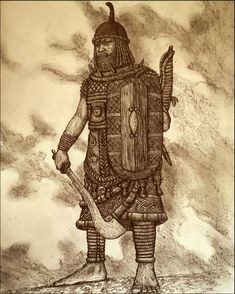
The Igue Festival is an ancient and revered celebration that originated in the Benin Empire, which is now part of modern-day Nigeria. This festival has deep roots in the history and culture of the Benin people, dating back over 700 years. The festival is celebrated annually in December and lasts for about two weeks, making it one of the most important events in the Benin calendar.The origins of the Igue Festival can be traced back to the reign of Oba Ewuare the Great, who ruled the Benin Empire from 1440 to 1473. Oba Ewuare is credited with transforming the Benin Empire into a powerful and prosperous kingdom, and he is also known for introducing many aspects of Benin culture and tradition that are still observed today. It is believed that the Igue Festival was established during his reign as a way to honor the ancestors and seek their blessings for the kingdom.During the festival, the Oba of Benin, who is considered the spiritual leader of the Benin people, performs various rituals and ceremonies to communicate with the ancestors and ensure the well-being of the kingdom. The festival also includes cultural performances, dances, and processions that showcase the rich heritage of the Benin people.Over the centuries, the Igue Festival has evolved and adapted to changing times, but it still holds great significance for the Benin people. It is a time for reflection, celebration, and unity, as well as a way to preserve and pass on the traditions of the past to future generations. Studying the historical background of the Igue Festival provides valuable insights into the cultural identity and heritage of the Benin people.
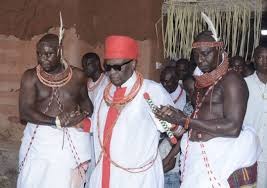
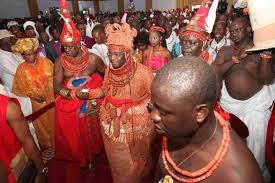
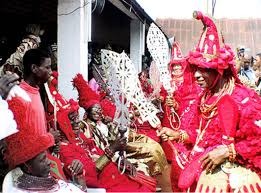
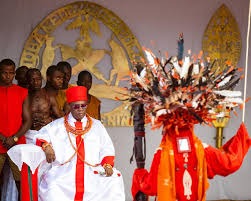
.The Igue Festival is an annual traditional ceremony celebrated by the Benin people in Nigeria. This festival is a time of great significance and importance in the Benin culture, as it is a time to give thanks to the gods and ancestors for their blessings and protection throughout the year. The festival usually takes place in December and lasts for about 10 days.One of the key features of the Igue Festival is the performance of traditional rituals and ceremonies. These rituals are conducted by the Oba (king) of Benin, who is considered the spiritual leader of the Benin people. The Oba plays a central role in the festival, as he is believed to have a direct line of communication with the gods and ancestors.During the Igue Festival, the Oba performs a series of rites and ceremonies to honor the gods and ancestors. These rituals include offerings of food, drinks, and other gifts to the gods, as well as prayers and songs to invoke their blessings. The Oba also performs sacred dances and wears elaborate costumes to symbolize his connection to the spiritual world.In addition to the rituals performed by the Oba, the Igue Festival also features traditional ceremonies such as masquerade performances, cultural displays, and community feasts. These ceremonies are a way for the Benin people to come together and celebrate their cultural heritage and traditions.Overall, the Igue Festival is a time of great joy and celebration for the Benin people. It is a time to give thanks, honor the gods and ancestors, and strengthen the bonds of community and culture. The traditional rituals and ceremonies of the festival are a key part of this celebration, and they help to preserve and promote the rich cultural heritage of the Benin people for future generations.
- Traditional rituals and ceremonies of
Igue Festival
ORIGIN OF IGUE FESTIVAL
Lt Igue festival is a celebration with its origin in the Benin Empire. It was originally celebrated as a festival to renew Oba Ewuare’s magical powers. One tradition state that the festival date coincided with the marriage of Ewuare to a wife named Ewere. Celebrated between Christmas and New Year, the festival includes the Oba’s blessing of the land and his people. During the Igue ritual season, the Oba is prohibited from being in the presence of any non-native person.
Uvbi N'ẹde he industry's standard dummy text ever since the 1500s, when an unknown printer took a galley of type and scrambled it to make a type specimen book.
This is Umozo sword not the Ada
THE IKPIGHO - Cowrie of Benin Kingdom.
IKPIGHO or Cowrie was the currency of the day in Ancient Benin and many other African communities. It was used for decorative flooring in Ancient Benin Architecture, as well as used by Olokun Priestesses as part of their divining tools etc. In 1700s, Oba Eresoyen introduced the idea of banking to Benin and he built a house known as Owigho or AZA (bank). According to Richard Akinjide in his article - “100 years after the invasion of Benin”, “ The Kingdom of Benin was already in continuous contact with the nations of the Mediterranean for at least 1,500years before the the Europeans came to Benin. The kingdom's commercial and foreign relations were well established. It had its own money economy independent of the Europeans. The kingdom of Benin's own currency known as "Igho“ (Money) was accepted for trade and general means of exchange in East, West, and North Africa. The kingdom was part of the African Empires and kingdoms independent and sovereign at a time when Europe was part of the Roman colonies.”
.Oga Omoyemi Omotilewa mit Omoruyi Patience und Greatest EDO. 21. Dezember um 20:48 · These documents invalidate the gibberish Olodo Bola said about ORGANA in the Catalan map. He was so dull to have even reasoned ORGANA is OGHENE. These documents below gave him a real upper cut, red nose, and exposed his lies. One of the documents below, clearly mentioned a Saracen kingdom of Organa continuously at war with Saracens of the Coast(Tunis) with other Arabs. On the Catalan map (1375) and on that of Fra Mauro (1457), Organa lies to the far east, towards Meroe and Nubia. This is clearly the Organa of Joao Alfonso D'Aveiro (1845), a powerful sovereign living 20 months' journey to the East of Benin, who invested each king of Benin on his accession by the bestowed of a staff, a head dress and a cross of brass (Baros, Dec. I). In all, the King of Organa recognized the Benin King and they even exchanged some items. I am inclined to agree with Peschel, who suggest his identity with the ruler of Kanen. Kanen at the time of Dunaman Ben Tsilim Selma (1266-1308) extended in the North to Fezzan, and at a subsequent period under Ali Ben Dunaman. This is a clear narration of the Map but the nitwit called Olodo Bola said it is OONI of IFE and not ORGANA but OGHENE, and claimed OGHENE is a Yoruba word. I am been vindicated that these revisionists are doing more harm to the history of Yoruba people. Who was the OONI as this period. Was the title of OONI is use as at 1300? So funny. In fact it would interest you all that Oduduwa didn't even use OONI but Olofin. OLODO BOLA, your lies has been busted.
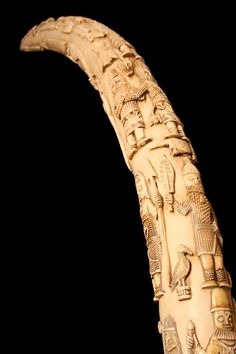


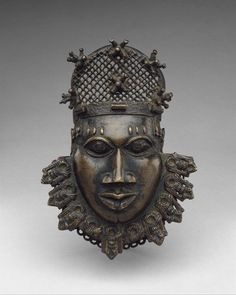


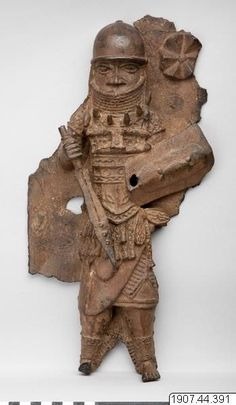
.Samuel Igbinosa Nomamiukor Thank you for standing on the sacredness of history, that history sacred and should not be distorted Thank you for standing on the path of truth rather than with the multitude. Although they are going to label you a traitor to Yoruba. First of all the distance of the domain of this Ogane which is said to be a distance 250 league , and a journey of twenty moons East of Benin according to available records makes it impossible for this Ogane whom the monarch of Benin revered and paid homage to, to have been the Ooni of Ife. Also in ancient maps of Africa like you rightly pointed out is located in ancients around Nubia and Ethiopia area. Secondly, the domain of this particular Oghene referenced by the ambassador of the Benin empire to Portugal in the late 15th and early 16th century and also referenced by the Portuguese court historian João de Barros and also by João Afonso de Aveiro and also by Duarte Pacheco Pereira the Portuguese sea Captain is no where located in Ife. It was based on the information that the Benin empire's ambassador gave while in Portugal that led to John II king of Portugal entrusting command of a new expedition to the Portuguese sea Captain Bartolomeu Dias to locate this great ruler the Ogané, far to the east whom the monarch of Benin revered who was identified with the legendary Christian ruler Prester John. This led to the discovery of the Cape of Good Hope in today's South Africa by Bartolomeu Dias. Finally the emblem or insignia of this Ogane is not the emblem or insignia of the Ooni of Ife or any monarch in Nigeria.
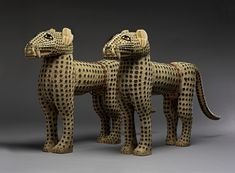
The Enchanting Origin of the Igue Festival: Celebrating Tradition and Magic in the Benin Empire
"Tradition is not the worship of ashes, but the preservation of fire," as Gustav Mahler once said. You know, this couldn't be truer than in the lively Igue Festival. It's a bash that’s woven deep into the colorful history and culture of the Benin Empire. Originally, this shindig was all about renewing Oba Ewuare's magical mojo, a grand event that happened to fall right when he tied the knot with Ewere. Picture this, it's that cozy spot nestled between Christmas and New Year when the Oba blesses the land and its folks.
The Tale of Two Sisters: Ewere and Oyoyo
The Festival of Remembrance and Renewal
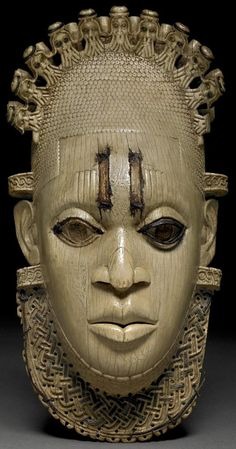
book.About a week after Ewere hitched to the royal bandwagon, she started missing her sister, Oyoyo. Seems like family bonds were as tight back then as they are now! The Oba, showing a softer side, requested Oyoyo to pop by, which Ogieka graciously granted. Imagine the sisterly joy when Oyoyo decided to marry into the royal family as well. As fate would have it, Oyoyo soon got a bun in the oven and was sent to Idunmwihogbe for care, where she brought a little princess into the world.
In gratitude, the Oba gave the Ihama the prestigious Odibokofo, a big ol' collar made of red beads, and let his wives rock the Ukpokhokho hairstyle, much like the royal style. This gesture elevated the Ihama's status, and the Odibokofo is still a big deal in the Ugie-Ewere ceremony today.
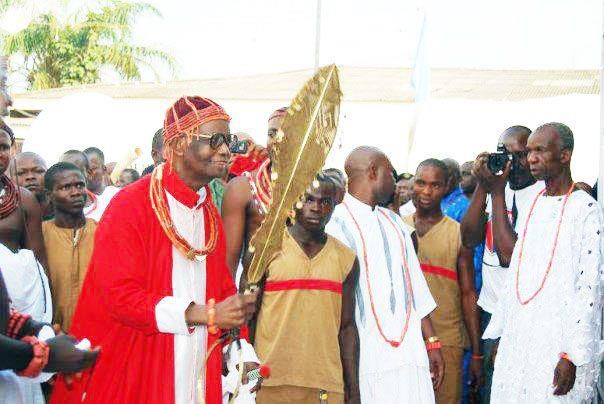
e.The Igue Festival ain't just a party; it's a time of giving thanks, mending fences, and having a jolly good time. The Bini folks take this chance to honor their ancestors, asking for blessings for the current monarch and his people. It's a time when those with fancy titles show off their Eben emblem in the Ugie dance, dressed in the Oba's chosen garbs. With the Oba sitting like a king in the Ogiukpo, the air's thick with respect and joy.
The Dance of Loyalty and Authority
The Festival's Grand Finale
.The Ugie dance is quite the affair, a palace dance to honor the Oba. It's an ancestral gig where chiefs, in their traditional getup, perform sacrifices and priestly duties in the shrines. The dance is symbolic, packed with incantations and Edo proverbs, a way of showing wisdom and loyalty to the Oba.
"Dancing is the poetry of the foot," as John Dryden might've said, and the Ugie dance fits the bill. The chiefs, with their decorative Eben, make sure it doesn't drop during the show, as any slip-up could mean serious sacrifices at the palace shrines.
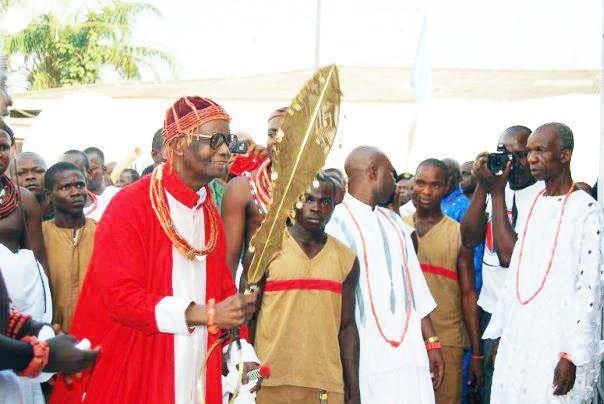
.The festival wraps up with Chief Osuma of Benin picking up the Ewere and handing it to the Ihogbe, who then presents it to the Oba in a dance parade. The Igue Festival has held its ground through the years, keeping its essence intact. The Bini Kingdom stays true to its traditions, as Chief Sam Igbe urged the youngsters to get with the Ugie-Ewere celebration. This year's bash, though, got a bit of a cloud with security worries in the state capital. The Oba voiced his concerns about the rising violence, a feeling echoed by his chiefs. Even with these bumps, the festival stands as a testament to the tenacity and spirit of the Bini people. The Igue Festival has seen its share of history, like that infamous Benin Expedition of 1897, which led to the plundering of Benin's treasures. Yet, the festival remains a beacon of cultural pride, a reminder of the enduring legacy of the Benin Empire.
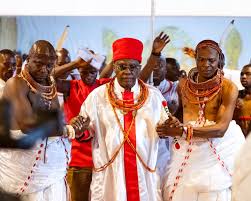
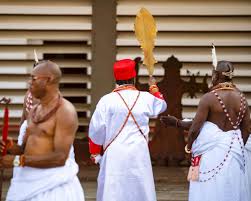
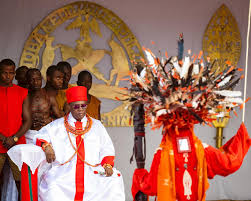
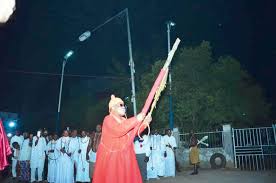
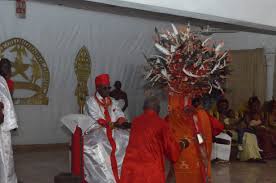
The Evolution of Benin: From Igodomigodo to Ẹdo
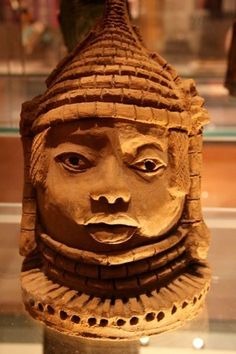
Ah, the tale of Igodomigodo and Ubini, or should we say, the riddle of "which came first, the Igodomigodo or the Ubini?" It's like the chicken and the egg debate but with a historical twist! According to the illustrious historian O. S. B. Omoregie, Ubini ne Uria was a significant entity in history, hailing from the Benue-Plateau trough before the grand migration down to Igodomigodo. .
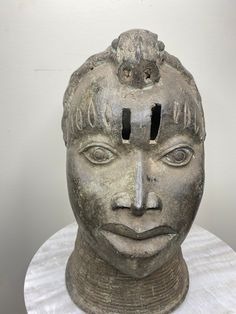
.From Igodomigodo to Ubini Igodomigodo was the name that resonated until Ubini ne Owa reemerged, catching the attention of none other than Oranmiyan. Now, here's where it gets juicy: it was the squabbles among the Uzama, the esteemed King Installers or Kingmakers during the interregnum of Ogiamiẹn, that led Oranmiyan to dub the city Ile Ibinu, meaning "vexatious city." Talk about a nickname that sticks! When Oranmiyan made his exit to Oyo, the kingdom was in the capable hands of Ọba Ẹwẹka I, ushering in a new era. Fast forward to Ọba Ẹwẹdọ, who decided it was time to shake off the nickname "Ile Ibinu" and revert to the more dignified "Ubini."
.The Meaning Behind the Name
Ubini translates to "inexhaustible" or "great crowd" (Ubimwẹ ẹvbo). It's like calling your city "The Multitude City" or "Crowded City"—you know, like a bustling metropolis before it was cool. And for all the linguistics enthusiasts out there: ọni means "that one," ọmwa ni means "that person," so Ubi-ni means "that Multitude/Crowded city."
.The Rise of EDO
The Portuguese Connection
Ọba Ẹwuare I took the reins, he didn't just stick with Ubini; he added a personal touch by introducing the name Ẹdo. This was in honor of Ẹdo, the loyal servant of Ogiefa, who saved him from a dastardly ambush. Talk about naming rights! Egharevba (1968) made sure to note that Ẹdo was an addition, not a replacement, for Ubini. The Portuguese Connection And then came the Portuguese, with their knack for pronunciation, who turned Ubini into Benin. It's like the game of telephone, but with history! Benin became the name that resonated internationally, facilitating over five centuries of trade with European powers, especially the Portuguese. When the British and other colonial powers arrived, they kept the name Benin, which has remained ever since. Benin is now synonymous with both the kingdom and its people (The Palace, BTC), while Ẹdo represents the ethnic nationality comprising diverse tribes of shared heritage in Ẹdo State and beyond. So, next time someone asks about the history of Benin, you can regale them with the tale of names, migrations, and a sprinkle of drama. Just remember: every name has a story, and every story has a name!
However, during the reign of Ogiso Odoligie (712 A.D - 767 A.D.)
. During the Ogiso era, when what is now Benin City was known as Igodomigodo, there wasn't a permanent army. However, during the reign of Ogiso Odoligie (712 A.D - 767 A.D.), he trained soldiers for prolonged warfare. This period saw an increase in the creation of war implements. Odoligie led battles against Udo and other villages such as Iyekovia, Iguabode, Urhonigbe in Iyokorhionmwan which surrendered at just the mention of his name.
When wars arose, men from various villages were summoned to serve the king. Soldiers received training at different locations including Okhokhuo, Ughoton, Ova and within Benin City itself.
On battlefields, commanders were assigned specific numbers of troops. Ritualistic sacrifices were made to deities like ancestors, Ogun, Osun,Ake and most importantly Ogiuwu.
The king received prisoners of war who typically worked on his rural farms or served nobles.
Primary weapons included spears (asoro), swords (agbada) with various types (Orhokhua), bows and arrows (Uhanbo), crossbows (ekpede), short spears(asoro-ekun) and axes(Ughanmwan). Odoligie utilized armor crafted from elephant skin combined with iron and pangolin skin since guns hadn't been invented yet. Shields(asa) provided defense along with poisoned arrows while certain medicinal remedies were believed to neutralize enemy weapon effects.
Animals like dogs and elephants assisted in warfare alongside insects like bees and snakes which appeared magical due to their effectiveness on battlefields.
Soldiers maintained discipline throughout combat operations displaying pride in their roles while exhibiting a stately demeanor befitting warriors.
Celebrating New Life: The Izomo Ceremony
The Izomo, or naming ceremony, is a vibrant tradition marking a child's entry into the community. Held typically on the seventh day after birth, it's a joyous occasion filled with prayer, ritual, and community participation. Before midday, close family and friends gather to invoke blessings of health, prosperity, and a long life for the child and parents. Elders offer guidance and prayers, often preceded by consultations and divination. In the evening, the main ceremony unfolds. While attended by both men and women, it's largely a women-centered event. Symbolic ingredients play a crucial role: kola nuts represent welcoming the child; gin (or a similar beverage) signifies a plea for protection; palm wine is used in libations; native chalk and salt symbolize happiness; honey, sugar, and bitter kola represent life's sweetness and challenges; alligator pepper is believed to enhance the child's communication skills; coconut symbolizes hidden potential; yams represent nourishment; palm oil signifies soothing life's difficulties; and water, the essential element of life. The ceremony unfolds with participants seated, the mother holding her child. The eldest male family member leads opening prayers, breaking and sharing kola nuts. The eldest female then takes the lead, repeatedly asking the mother for the child's name. Six times, the mother offers a playful, unsuitable name, met with playful rejection from the other women, accompanied by traditional songs and music. On the seventh attempt, the father whispers the chosen name, which the mother then announces to joyous affirmation and prayers for the child's well-being. Guests are then invited to offer names and gifts, each accompanied by the blessing, "Ọgha guẹ dia. Isẹẹeee" ("May he/she live long, Amen"). The celebration concludes with a shared meal and fellowship.
The Significance of Cola Nuts. EDO BENIN PEOPLE
Cola nuts hold a special place in many West African cultures, often associated with ceremonies and social gatherings. Traditionally, the person designated to break the cola nut holds a position of respect and authority.
The Benin Expedition: Conquest and Cultural Plunder
The 1897 Benin Punitive Expedition was a British military campaign led by Rear-Admiral Harry Rawson with 1,200 men against the Kingdom of Benin. The expedition, launched in response to the ambush and killing of a British party, resulted in the invasion and capture of Benin City on February 21, 1897. British forces burned numerous buildings, including sacred sites and palaces. Oba Ovonramwen was captured and exiled, and six chiefs were executed. The most significant consequence was the looting of approximately 2,500 religious artifacts and artworks, including the famous Benin Bronzes, which were sent to Britain. The Kingdom of Benin was subsequently incorporated into British colonial Nigeria. The return of these artifacts remains a contentious issue, with ongoing debates about repatriation. Notable examples of repatriation include actions taken by Jesus College Cambridge and the University of Aberdeen in 2021.
Benin's Legacy: Colonial Violence and the Looting of Cultural Treasures
The Benin Punitive Expedition of 1897 was a British military campaign that resulted in the conquest of the Kingdom of Benin (in present-day Nigeria), the looting of thousands of priceless cultural artifacts, and the burning of Benin City. The pretext for the expedition was the killing of a British delegation that had attempted to enter Benin City during a sacred ceremony, despite being warned not to do so. The delegation was led by Acting Consul General James Phillips, who was attempting to depose Oba Ovonramwen and gain British control over trade in the region. In response, the British organized a large military force that invaded Benin in February 1897. Using superior weaponry, including Maxim guns, the British forces overwhelmed Benin's defenders and captured the city. During the conquest, British forces systematically looted the royal palace and the city, taking thousands of metal plaques, carved tusks, sculptures, and other artworks collectively known as the Benin Bronzes. The aftermath was devastating: - Benin City was burned to the ground - Oba Ovonramwen was exiled to Calabar - The independent Kingdom of Benin was incorporated into British colonial Nigeria - Thousands of priceless cultural artifacts were taken to Britain, where many remain today in museums and private collections The Benin Punitive Expedition exemplifies the violent nature of European colonialism in Africa and remains a source of ongoing controversy, particularly regarding the repatriation of the looted artifacts. The Benin Bronzes are now recognized as among the finest achievements in African art, and there are continuing calls for their return to Nigeria, with some institutions beginning to take steps toward restitution in recent years. The event marked a tragic end to one of West Africa's most sophisticated kingdoms and serves as a stark reminder of the destructive impact of colonial expansion. The loss of these cultural treasures continues to have profound implications for Benin's cultural heritage and identity
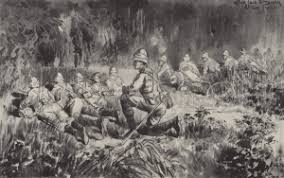
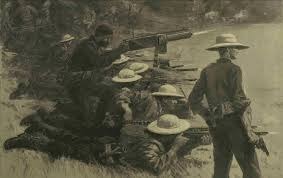
In solemn remembrance of the Edo defenders who gave their lives
Remembering the Edo Defenders of 1897
protecting their ancestral kingdom during the British invasion of Benin in 1897. These brave warriors stood firm against overwhelming odds, fighting to preserve their sovereignty, culture, and way of life that had flourished for centuries. The defenders of Benin City showed tremendous courage in the face of superior weaponry, choosing to stand their ground rather than abandon their sacred traditions and royal heritage. Their sacrifice represents the spirit of resistance against colonial aggression that was seen across Africa. We must also acknowledge the tragic scale of loss - not just in human lives, but in the systematic looting of precious cultural artifacts, the burning of the city, and the ending of an ancient kingdom. The Benin Bronzes scattered in museums worldwide stand as both artistic masterpieces and painful reminders of this history. May we honor the memory of those who fell defending their homeland, and recognize their deaths not as a mere footnote of colonial history, but as a testament to the human will to preserve one's culture, dignity and independence against overwhelming force. Let us remember that beyond the simplified narratives of "punitive expeditions" lay real human beings who died protecting everything they held dear. We carry their story forward, not just in mourning, but in recognition of their courage and dedication to their kingdom and people. Rest in peace, defenders of Benin.
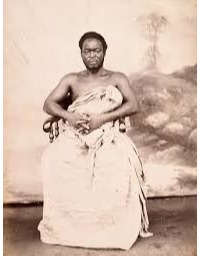
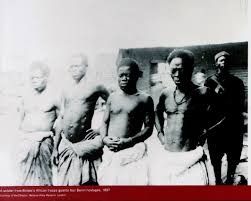
.We carry their story forward, not just in mourning, but in recognition of their courage and dedication to their kingdom and people. Rest in peace, defenders of Benin.
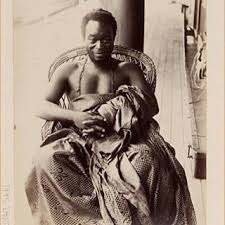
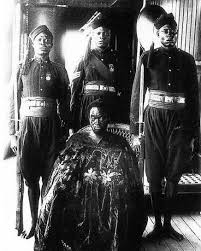
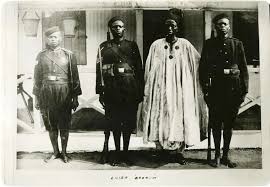
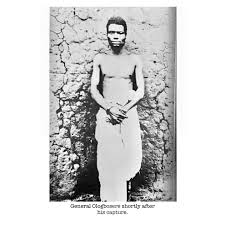
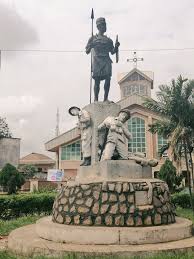
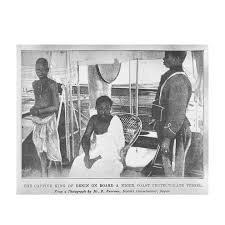
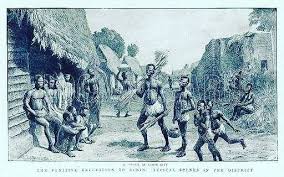
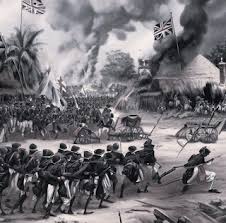
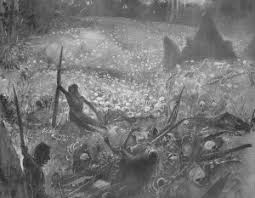
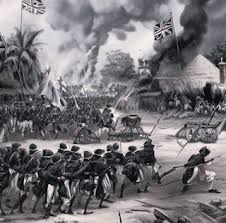
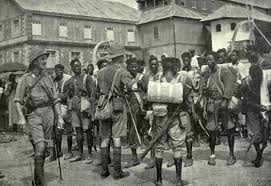
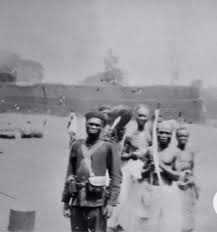
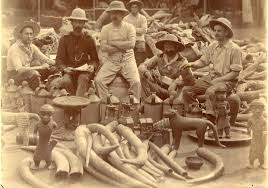
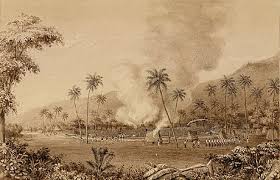
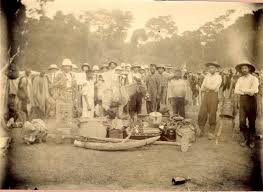
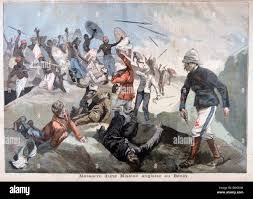
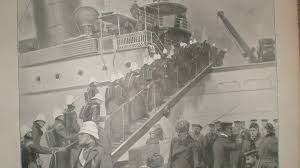
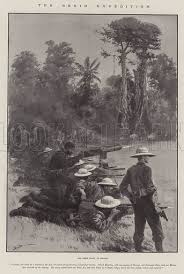
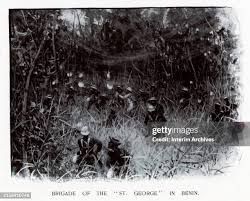
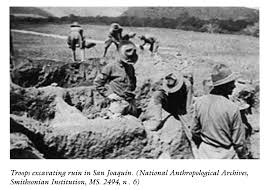
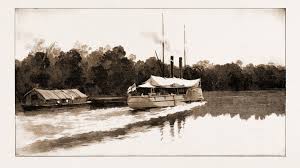
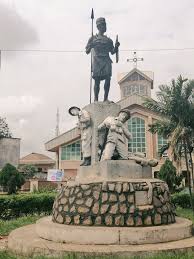
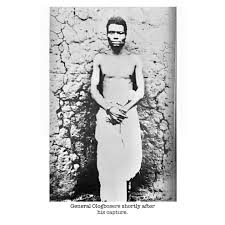
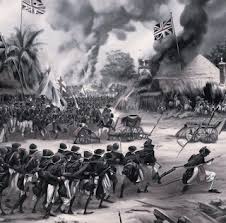
Edo People Unity: Understanding the importance of unity among the Edo people and exploring ways to achieve it.
The Edo people, a proud and ancient tribe in Nigeria, have a rich cultural heritage that dates back centuries. One of the key aspects that have defined the Edo people is their strong sense of unity and community spirit. This unity has been a driving force behind the success and resilience of the Edo people throughout history.Understanding the importance of unity among the Edo people is crucial in maintaining their cultural identity and fostering a sense of belonging among community members. Unity among the Edo people ensures that they are able to come together to celebrate their traditions, language, and customs, as well as to address challenges and work towards common goals.Achieving unity among the Edo people requires a concerted effort from community leaders, organizations, and individuals. One way to foster unity is through cultural events and celebrations that bring people together to celebrate their shared heritage. These events provide an opportunity for community members to connect, bond, and strengthen their sense of identity as Edo people.Another way to achieve unity among the Edo people is through education and awareness. By promoting the importance of unity and encouraging dialogue among community members, individuals can gain a better understanding of their shared history and values, fostering a sense of solidarity and togetherness.In conclusion, unity among the Edo people is essential for preserving their cultural heritage and ensuring the continued success and prosperity of the community. By coming together, celebrating their traditions, and working towards common goals, the Edo people can continue to thrive and uphold their rich cultural legacy for generations to come.
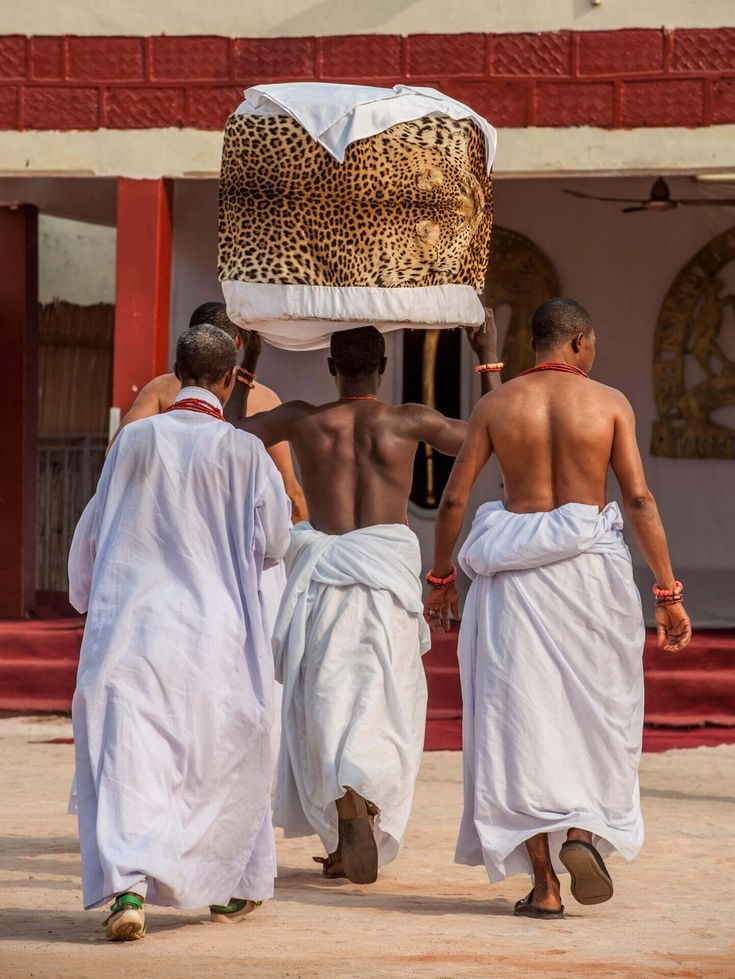
The Importance of Unity in Edo Culture
.Unity among the Edo people is a crucial aspect of their culture and identity. The Edo people, who primarily reside in southern Nigeria, have a rich history and heritage that is deeply rooted in their sense of community and togetherness. Understanding the importance of unity among the Edo people is essential in preserving their traditions and values for future generations.One of the key reasons why unity is vital among the Edo people is that it fosters a sense of belonging and solidarity within the community. When individuals come together and support each other, they are able to overcome challenges and achieve common goals. Unity also helps to strengthen social bonds and promote a sense of shared identity among the Edo people.Achieving unity among the Edo people requires a concerted effort from all members of the community. One way to promote unity is through cultural events and celebrations that bring people together to celebrate their heritage and traditions. These events can help to create a sense of pride and belonging among the Edo people and strengthen their connections to one another.Another way to achieve unity among the Edo people is through education and awareness. By teaching future generations about the importance of unity and the value of community, we can instill these values in young people and ensure that they continue to be passed down through the generations.In conclusion, unity among the Edo people is essential for preserving their culture and heritage. By coming together and supporting one another, we can ensure that the traditions and values of the Edo people continue to thrive for years to come.
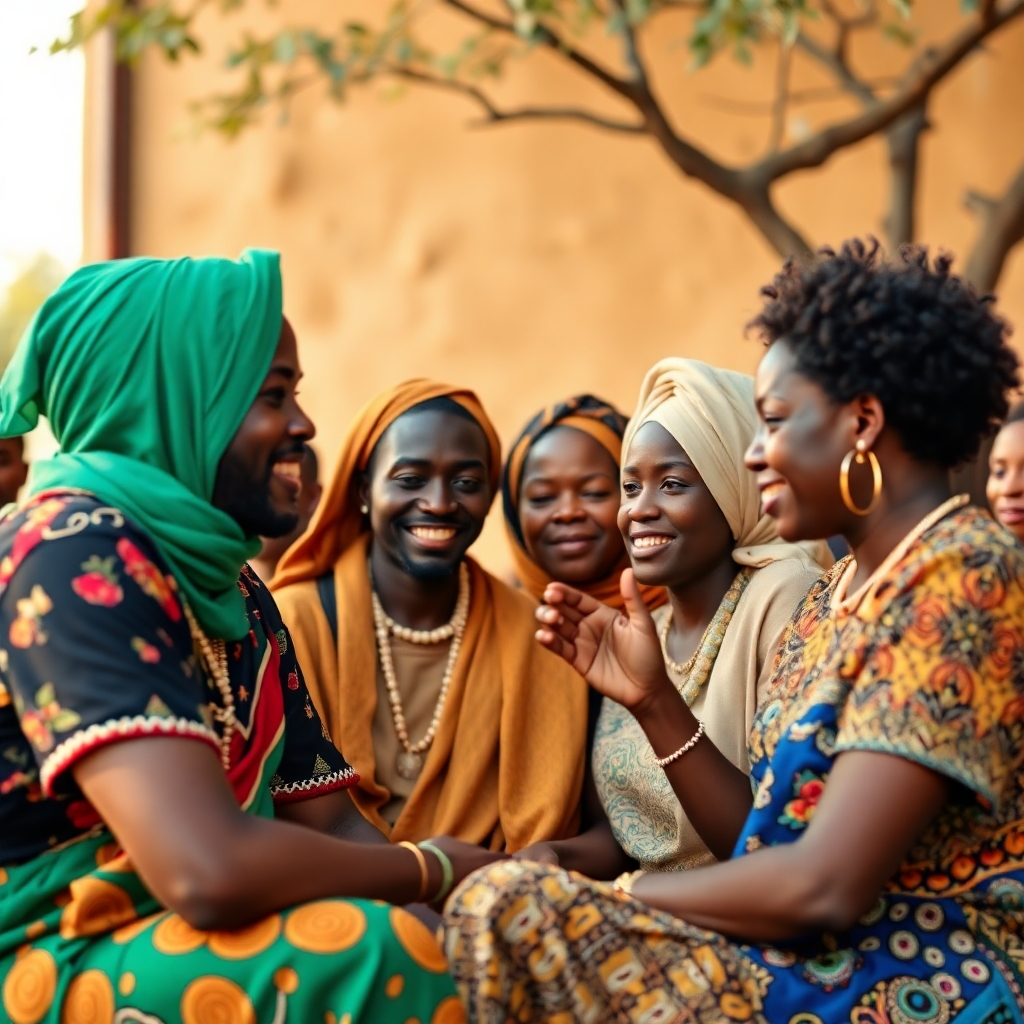

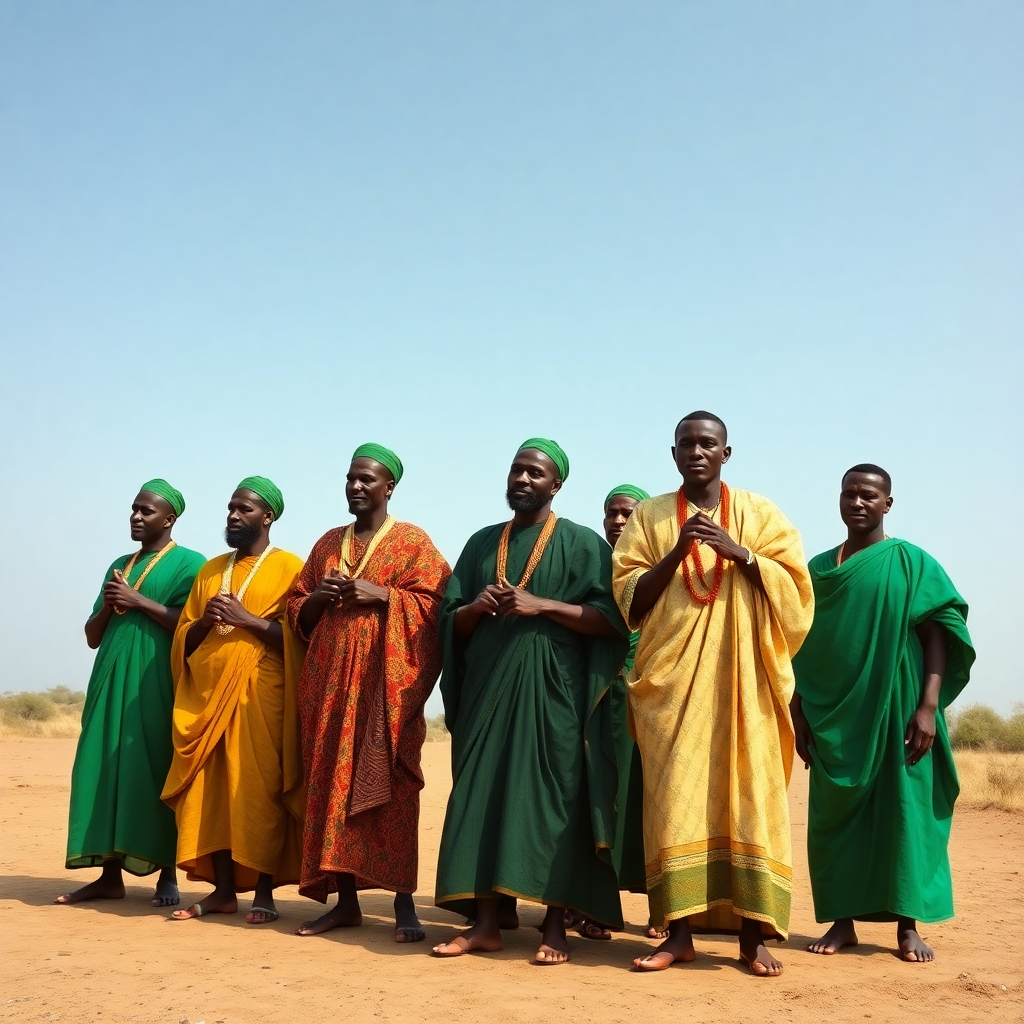
The Enduring Strength of Edo Unity
A Celebration of Community and Heritage
Edo culture thrives on a deep-rooted sense of unity, a powerful force that shapes its identity and ensures the preservation of its rich traditions. This unity fosters a strong sense of belonging and shared purpose, allowing the community to overcome challenges and achieve collective goals. It's a bond forged through shared experiences, celebrated through vibrant cultural events, and passed down through generations of storytelling and education.
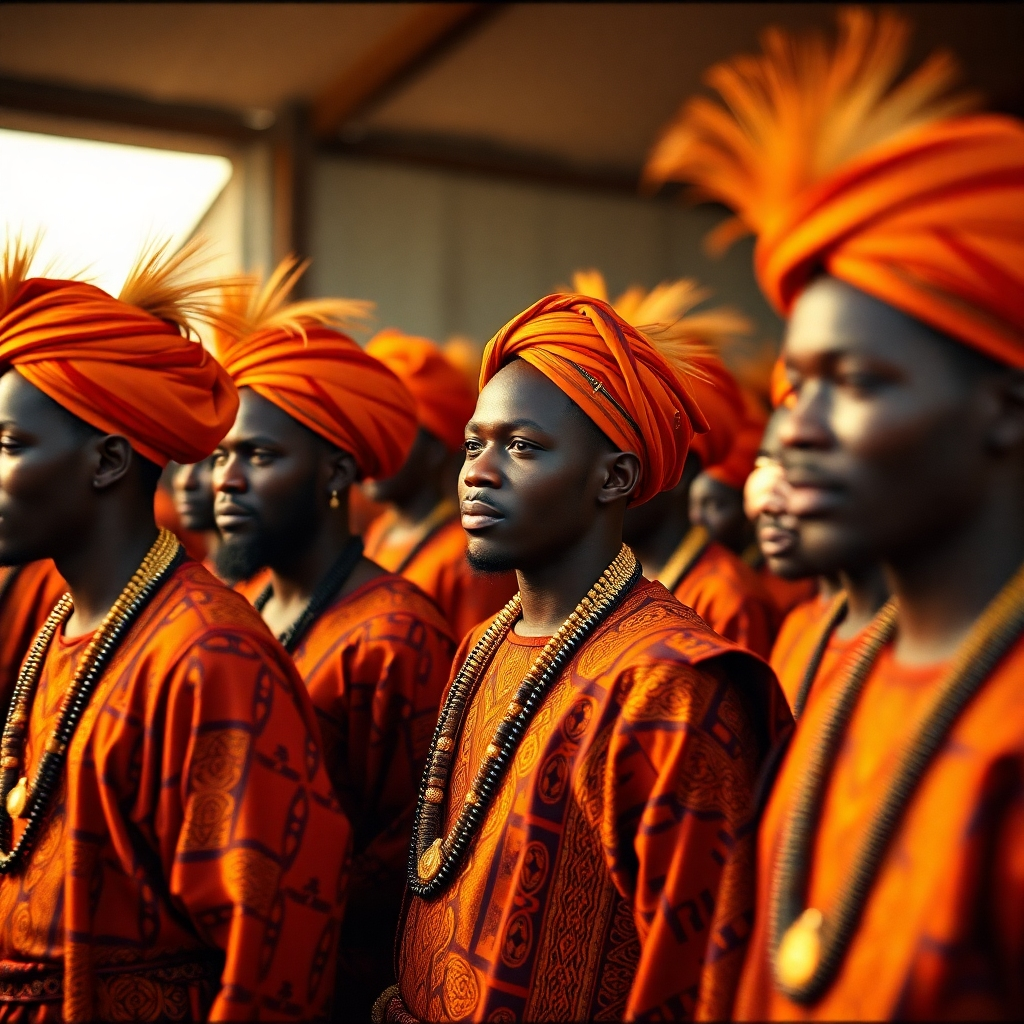
Economic Foundations: Trade, Tribute, and Wealth Distribution P1
.Wealth distribution in the Benin Empire was closely linked to its social and political hierarchy, with the Oba at the top, followed by the nobility, palace officials, and commoners. The Oba controlled the empire's wealth and had the ultimate authority over its distribution, which was essential for maintaining the social order and the loyalty of the nobility. Wealth was often distributed in the form of land grants, titles, and ceremonial privileges, reinforcing the status and influence of the empire's elite.
.This system of wealth distribution was not only about maintaining power but also about creating a patron-client relationship that fostered loyalty and service to the Oba. For the common people, wealth distribution was reflected in the form of public projects and infrastructure improvements, funded by the state's coffers. These projects, such as road construction, fortifications, and public markets, were practical and served as a testament to the empire's prosperity and the Oba's benevolence.

By effectively managing wealth distribution, the Benin Empire ensured social cohesion and stability, which were critical for its long-lasting dominance in the region. Tribute was another critical component of the Benin Empire's economic structure, serving as both a symbol of power and a practical means of wealth accumulation. Vassal states and conquered territories were required to pay tribute to the Oba in various forms, including agricultural produce, livestock, and artisan goods.
This system not only enriched the empire but also solidified the Oba's authority over his subjects, ensuring their loyalty and submission. The tribute system was meticulously organized, with each region responsible for specific contributions, reflecting the empire's sophisticated administrative capabilities. This steady influx of resources enabled the Oba to redistribute wealth strategically, rewarding loyal chiefs and maintaining a network of influence across the empire.

Economic Foundations: Trade, Tribute, and Wealth Distribution
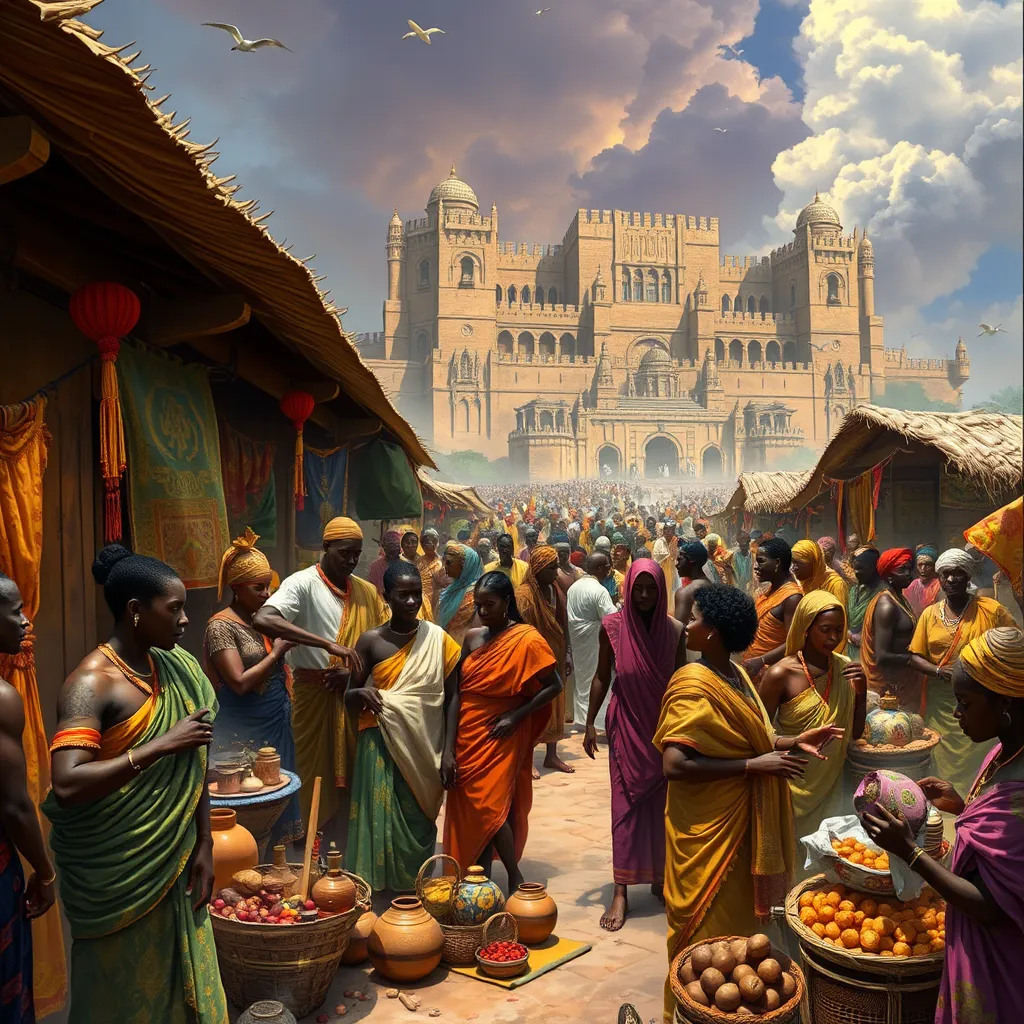
.By consolidating wealth through tribute, the Benin Empire ensured a continuous flow of resources to support its political and military endeavors, further entrenching its power in West Africa. The Benin Empire's economic foundation was heavily reliant on trade, which played a pivotal role in its prosperity and expansion. The empire was strategically positioned near the Niger River, allowing it access to crucial inland and coastal trading routes.
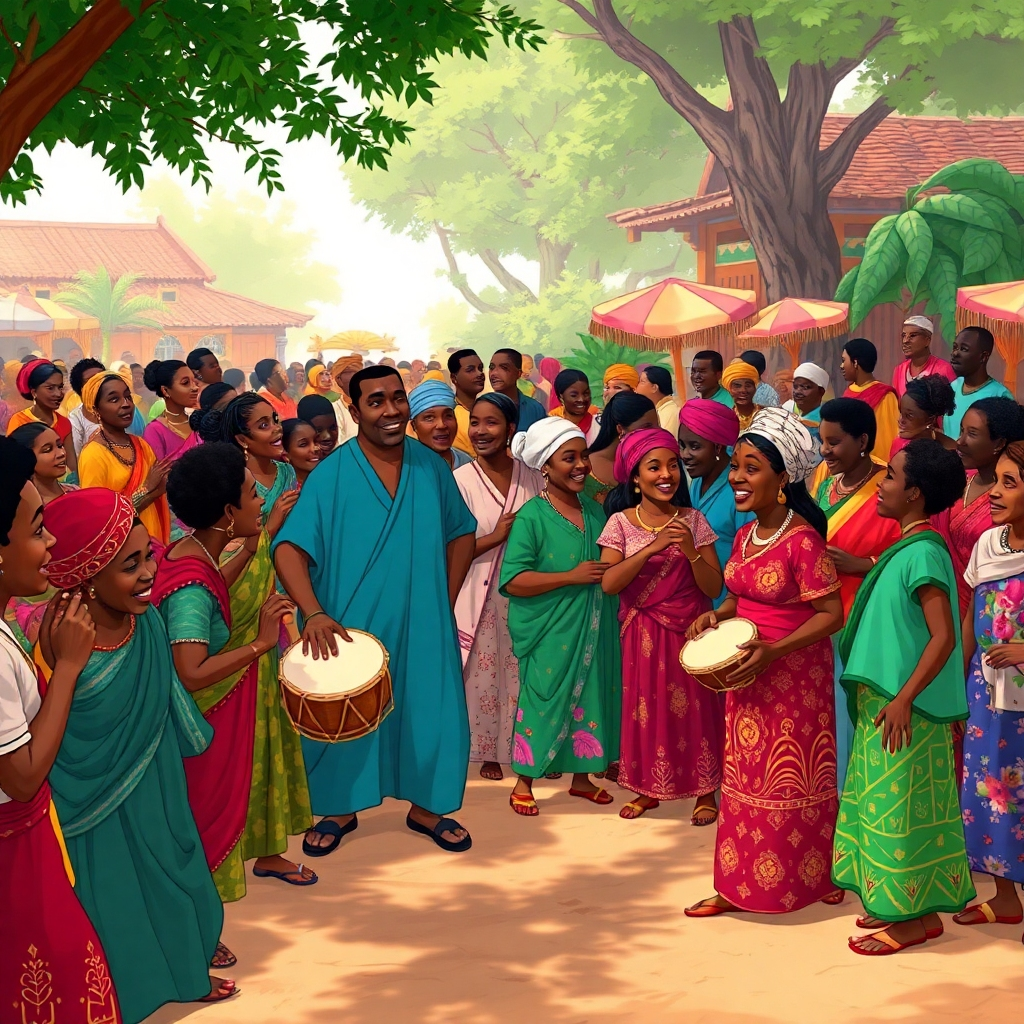
This positioning facilitated the trade of goods such as ivory, pepper, palm oil, and, most notably, slaves, which were highly sought after by European traders. The Benin people were skilled artisans known for their exquisite bronze and ivory artworks, which were also significant trade items. The empire's trading relationships extended to the Portuguese in the late 15th century, who were among the first Europeans to establish direct trade links.
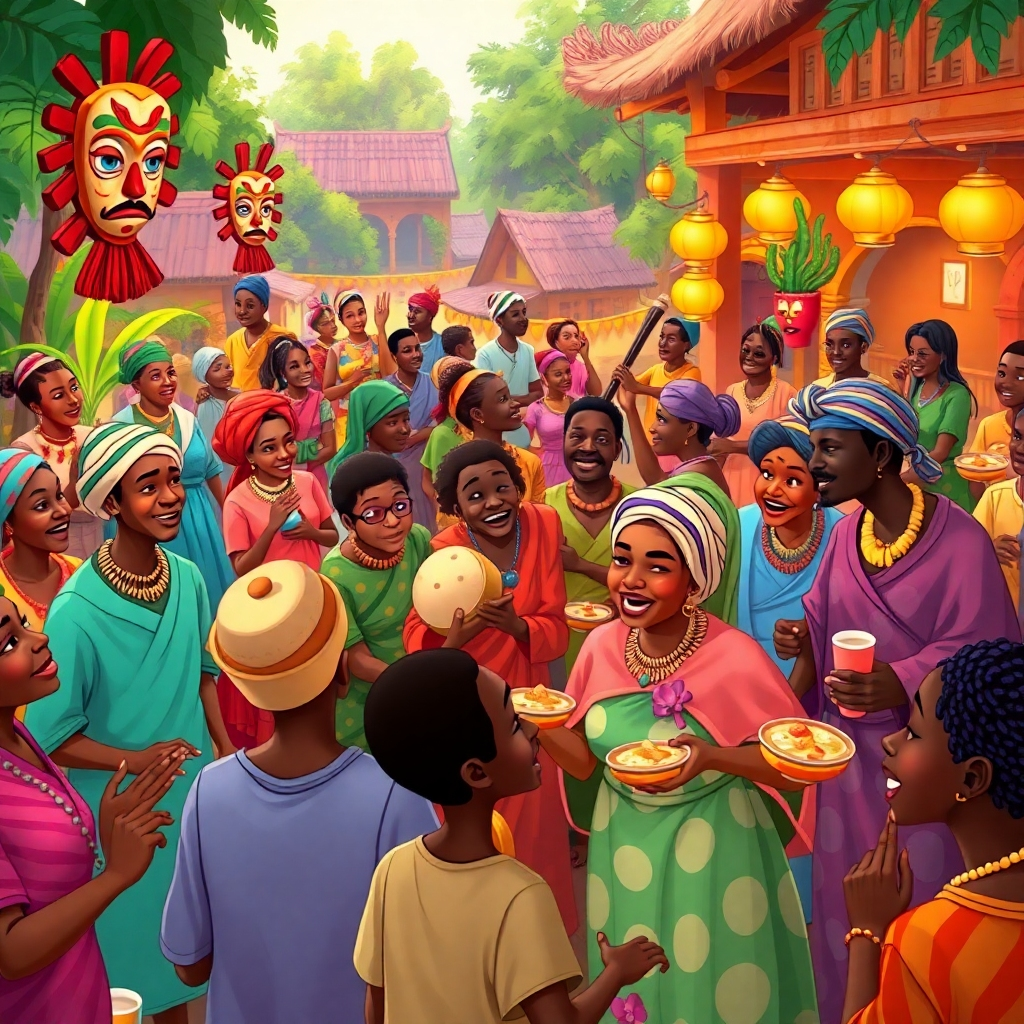
This connection not only introduced new goods and wealth into the empire but also initiated a complex web of economic and cultural exchanges that would influence the region for centuries. The wealth generated from these trade activities was instrumental in maintaining the empire's political stability and funding its military conquests, thus reinforcing its dominance over the region.
Our history as Edo people is rich with examples of what we can achieve when we stand as one. The ancient Benin Kingdom was a beacon of art, administration, and innovation, not because of a few individuals, but because of a unified society working towards common goals. Today, that same potential lies within us, dormant because of the divisions we allow to fester. When we prioritize our local government area—whether we are from Esan West, Owan East, or Etsako Central—over our collective Edo identity, we weaken our political and economic voice. Imagine the bargaining power we would have if, as a single, united front, we negotiated for state projects, attracted investors, or demanded better federal representation. Division makes us easy to ignore; it allows others to play our communities against each other for shortterm gains that benefit no one in the long run. Our strength has always been in our unity, and to build a prosperous future, we must reclaim that powerful legacy, setting aside minor differences for the greater good of all Edo people.
The Strength in Unity: Why Division Weakens Our Progress
Understanding Our Shared History: The Legacy of the Edo People
Our shared history also teaches us the critical lesson of resilience in the face of adversity. The strength of the Benin Kingdom was severely tested, most notably by the British Punitive Expedition of 1897. This event was a profound tragedy, resulting in the looting of countless priceless artefacts and a forced disruption of our traditional governance. Yet, the Edo spirit was not broken. Our culture, language, and traditions survived this assault and have endured through generations. This historical resilience is a direct inheritance for every Edo person today. It proves that while external forces can cause temporary setbacks, they cannot erase a people united by a common history and purpose. The challenges we face now—whether in infrastructure, education, or economic development—are our modern punitive expeditions. By remembering how our ancestors persevered, we can find the collective strength to overcome presentday obstacles and build a future that honours their sacrifice.
The story of the Edo people is a powerful legacy of innovation and sophisticated statecraft that we must reclaim. Our ancestors were not just inhabitants of a region; they were the architects of one of Africa's most advanced and enduring empires, the Benin Kingdom. This was a society renowned for its intricate bronze castings, a judicial system that predated many in the Western world, and the construction of the Benin Moats, one of the largest manmade earthworks in history. This ingenuity was not accidental; it was born from a deep sense of shared purpose and collective identity. Understanding this history is not about dwelling in the past, but about drawing inspiration from it. It reminds us that the blueprint for greatness is already within our cultural DNA. When we recognize that we are descendants of master builders, diplomats, and artists, it reshapes our selfperception and fuels the confidence needed to tackle modern challenges with the same unified spirit.
Fostering Peace and Resolving Conflicts Within Our Communitis
Written by
Samantha Holmes
Ultimately, sustainable peace in Edo land depends on our collective ability to cultivate empathy and a shared sense of identity that transcends our immediate family or village affiliations. We must consciously promote narratives that highlight what unites us—our rich history, the Edo language, our worldrenowned arts and culture—rather than what divides us. Schools, religious institutions, and community leaders have a role to play in teaching our children the importance of tolerance and the dangers of tribalism and petty jealousy. Media platforms, both traditional and social, should be encouraged to share stories of community heroes who have championed peace and reconciliation. When we see a fellow Edo person not as a competitor for scarce resources but as a brother or sister with whom we share a common destiny, the inclination towards conflict diminishes. By fostering this deepseated sense of unity and mutual responsibility, we build an internal moral compass that guides our actions towards harmony, ensuring that peace is not just the absence of violence but the active presence of understanding and cooperation.
Building a culture of peace requires proactive measures, and a key strategy is the creation of intergenerational and intercommunity dialogue platforms. Often, conflicts fester because of misunderstandings between the youth and elders, or between neighboring villages over resources. We can establish regular, facilitated town hall meetings specifically designed to air grievances and brainstorm collaborative solutions. For instance, a Community Peace Committee with representatives from youth groups, women's associations, age grades, and religious leaders can serve as an early warning and rapid response team to emerging tensions. These committees can organize joint community development projects, like clearing a blocked drain or repairing a town hall, which forces collaboration and rebuilds trust through shared labor. By creating structured opportunities for different segments of our society to communicate and work towards a common goal, we break down the walls of suspicion and build bridges of mutual respect, making conflict the less appealing path.
Words from heart.
Melissa Sparks
disagreements can sometimes escalate
Ultimately, the most powerful tool for fostering peace is a shared vision for our collective future. When we are united by common goals—such as building a better school for our children, creating a community market, or initiating a youth skills acquisition program—we see each other as partners, not adversaries. Let us channel our energy into collaborative projects that benefit everyone. Organizing regular community cleanups, cultural festivals, and town hall meetings to discuss development plans strengthens the bonds between us. By celebrating our shared identity and working sidebyside on initiatives that uplift the entire community, we build a reservoir of goodwill and trust. This makes it much harder for conflicts to take root, as we are constantly reminded that our individual success is inextricably linked to the peace and prosperity of our neighbor.
Building on the foundation of dialogue, we must actively revive and strengthen our traditional conflict resolution mechanisms. Our ancestors had effective systems for maintaining order, often led by councils of elders, family heads, and respected leaders who understood the local context. These systems focused on restitution, reconciliation, and the restoration of social harmony, rather than purely punitive measures. We can modernize these approaches by ensuring they are inclusive, involving women and youth in the process to reflect our entire community's perspective. Establishing a standing Peace Committee in each locality, with trained and trusted members, provides a reliable and culturally sensitive structure for managing disputes. This approach is often faster, less costly, and more sustainable than immediately resorting to formal legal channels, and it empowers us to solve our own problems using the wisdom of our heritage.
A Place
CALLED PEACE
True and lasting peace cannot be built on a foundation of economic despair and perceived injustice. Therefore, a critical strategy for conflict resolution is to promote transparency and equity in the distribution of community resources and opportunities. Many conflicts in our towns and villages stem from disputes over land allocation, access to government projects, or the benefits from communal ventures. To address this, we must advocate for and implement transparent governance structures at the community level. This involves creating inclusive committees with representatives from all wards and age groups to manage community development funds and projects. All financial records and decisionmaking processes should be open for every member to see. When everyone understands how resources are being used and has a fair chance to benefit from them, the suspicion and resentment that often fuel conflict are significantly reduced. This collective ownership and transparent management of our common wealth fosters a profound sense of shared destiny, where every individual feels that their wellbeing is tied to the wellbeing of their neighbor, making peace the most valuable and protected asset we all share. Use This
Ralph Whisler
WE LOVE OUR OMO NO OBA From Benin's ancient walls we rise, Echoes of our fathers' cries. Edo spirit, strong and bold, A story waiting to unfold. We stand as one, a mighty choir, Igniting culture's sacred fire. Our heritage, a precious art, Forever beating in each heart. Though times may change, and seasons turn, Our ancestral wisdom we discern. With voices raised, a solemn vow, To keep our traditions, here and now. Edo pride, let it resound, On sacred Nigerian ground. Esemwenere Ezemwenghian Osakhuwuomwan Oviasuyi ALAIS Dele Bello OBA HATOR KPERE ISE


